
July 23, 2026 at 10:17 AM 2 min readautoNews Insights
Delhi EV Policy 2026 Shifts Focus Toward Mandatory Adoption Timelines
The interventionist framework mandates exclusive electric registration for three-wheelers starting January 2027.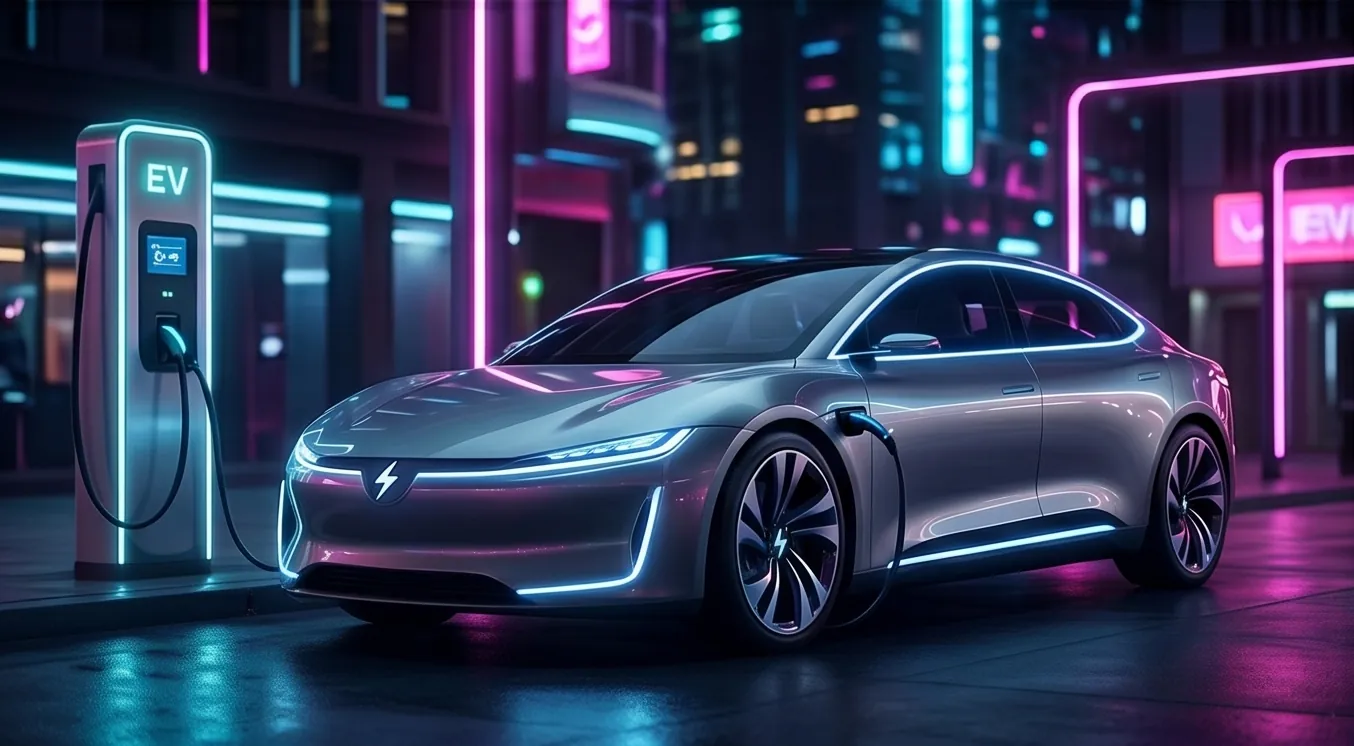
[Delhi Introduces Mandatory Electrification Timelines]
India's electric vehicle transition entered a new phase with the implementation of the Delhi Electric Vehicle Policy 2026, which came into effect on July 1, 2026, and runs through March 31, 2030. Signaling a shift from incentive-driven adoption to regulatory mandates, the policy combines purchase incentives, scrappage benefits, road tax waivers, and mandatory electrification timelines across key segments.
[Segment-Wise Mandates and Market Projections]
Under the new framework, new registrations of three-wheelers and light goods carriers will be exclusively electric from January 2027, followed by electric two-wheelers from April 2028. ICRA estimates that this policy could expand the electric two-wheeler market by 13 to 14 times and electric light commercial vehicles by 14 to 15 times as Delhi pursues complete segment electrification.
[Growth of the Retrofitting and Subsidy Ecosystem]
Complementing these state-level measures, the central government has extended PM E-DRIVE subsidies for electric two-wheelers and electric rickshaws. Additionally, the automotive retrofitting industry is gaining momentum, with companies establishing conversion workshops under standard AIS-123 guidelines certified by the Automotive Research Association of India.
Pulse Intelligence
Context & ImpactContext & Background
- Delhi's previous electric vehicle policies successfully laid the groundwork for consumer awareness and initial adoption incentives.
- The Government of India introduced and extended the PM E-DRIVE scheme to maintain financial support for electric two-wheelers and rickshaws.
- India's national vehicle scrappage policy, active since 2021, mandated automated fitness tests for older internal combustion engine vehicles.
Key Consequences
- Commercial fleet operators will need to transition entirely to electric three-wheelers and light goods carriers by January 2027.
- The domestic retrofitting industry will experience increased demand for petrol and diesel vehicle conversions certified by testing agencies.
- Regional sales volumes for electric two-wheelers are projected to scale significantly under the new regulatory framework.
Market & Economic Impact
Not applicable.
The Indus Pulse is committed to accuracy and transparency.