
August 1, 2026 at 10:17 AM 2 min readauto
Delhi Implements EV Policy 2026 As Central Government Rules Out National Framework
The policy mandates a transition to electric three-wheelers and commercial vehicles by 2027, despite the absence of a national framework.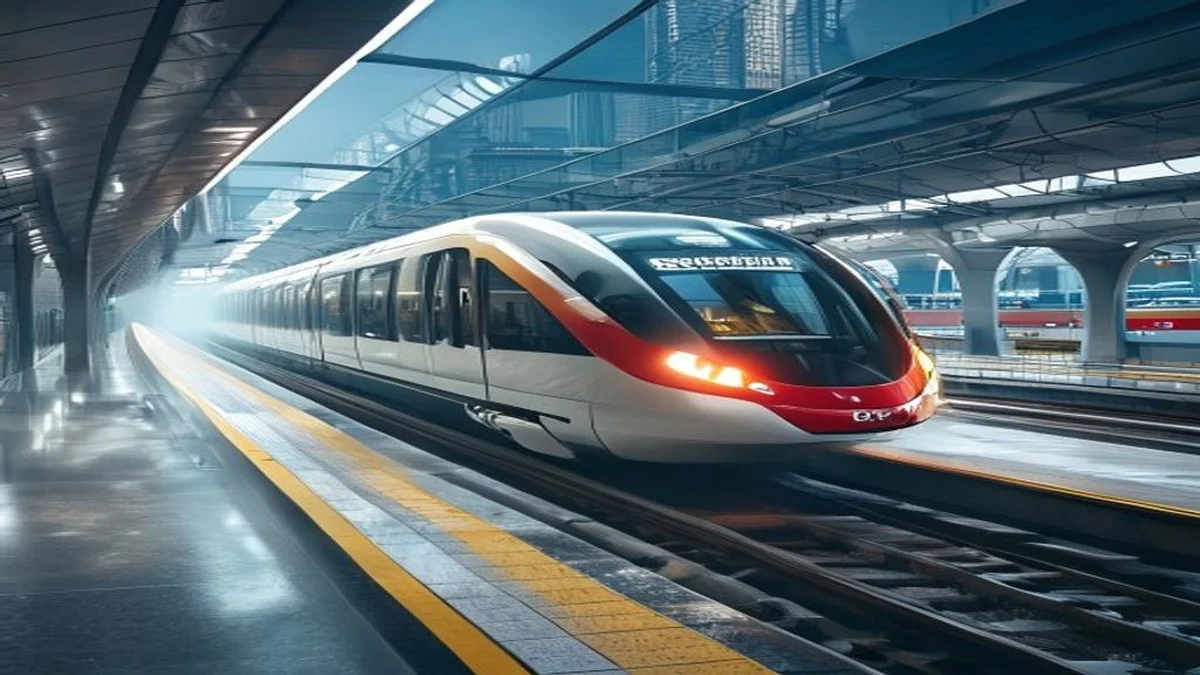
[The Policy Launch]:
Delhi’s Electric Vehicle (EV) Policy 2026 officially took effect on July 1, 2026, aiming to transform the city's transport landscape. The policy outlines a massive investment of approximately Rs 15,000 crore through March 31, 2030. Key features include purchase subsidies, scrappage incentives, and full exemptions from road tax and registration fees for electric cars priced up to Rs 30 lakh. The government also plans to install 32,000 charging points over the next four years to support this transition.
[Regulatory Shift]:
A critical component of the policy is the phased transition away from internal combustion engine (ICE) vehicles. Starting January 1, 2027, only electric three-wheelers and sub-3.5-tonne commercial vehicles will be eligible for fresh registration. This mandate extends to two-wheelers from April 1, 2028. This aggressive timeline is designed to drastically reduce vehicular emissions in the capital, setting a precedent for other urban centers in India to follow.
[National Context]:
Despite Delhi's proactive stance, the Ministry of Heavy Industries clarified on July 28, 2026, that the central government is not currently considering a unified National Electric Vehicle Policy. Instead, the Centre will continue to rely on existing schemes such as FAME India Phase-II and the Production Linked Incentive (PLI) programs for automotive and battery manufacturing. This divergence highlights a decentralized approach to EV adoption, where state-level policies are expected to drive the transition in the absence of a singular national framework.
Pulse Intelligence
Context & ImpactContext & Background
- Delhi has been a pioneer in implementing state-level EV policies to combat air pollution.
- The FAME India Phase-II scheme has been the primary central government mechanism for EV subsidies.
- The Ministry of Heavy Industries manages the PLI schemes for Advanced Chemistry Cell (ACC) battery manufacturing.
Key Consequences
- Delhi will likely see a rapid increase in EV adoption for commercial and two-wheeler segments by 2027.
- Automakers will need to adjust their product strategies to align with Delhi's specific registration mandates.
- The lack of a national policy may lead to a fragmented regulatory environment across different Indian states.
Market & Economic Impact
Not applicable.
The Indus Pulse is committed to accuracy and transparency.