
28 Aug 2026, 11:22 PM 2 min readindiabreaking
Delhi Couple Arrested for Operating Pakistan ISI Espionage Module
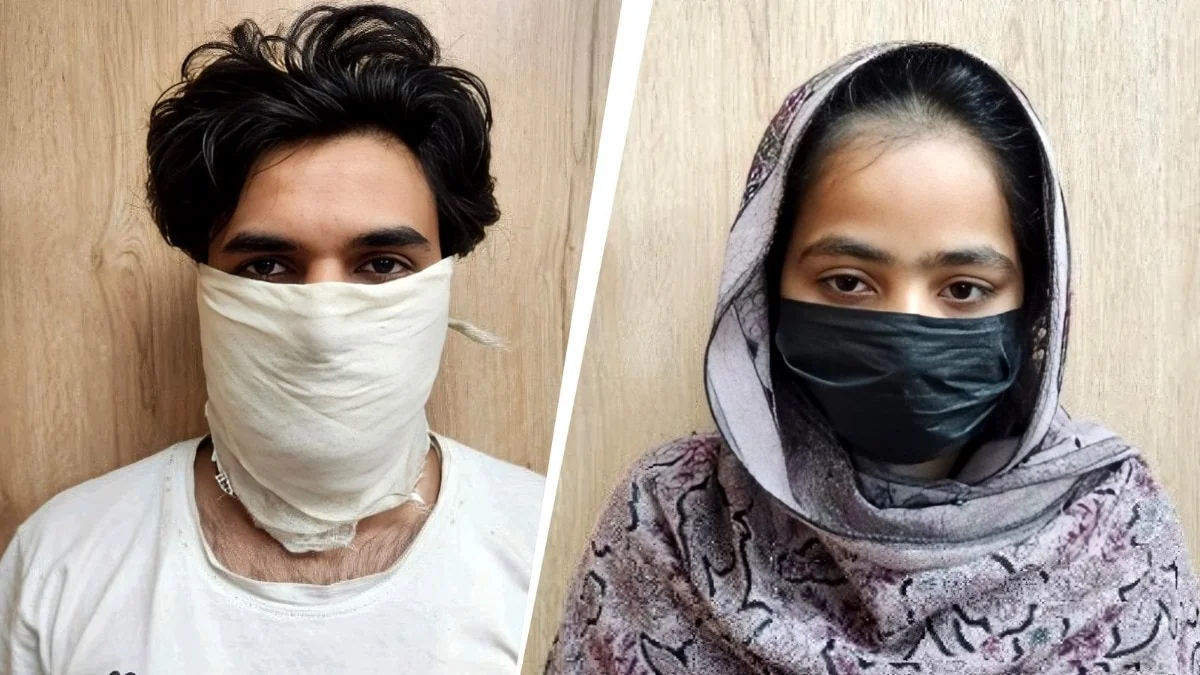
Espionage Network Dismantled:
The Delhi Police Special Cell recently arrested a married couple, twenty-five-year-old Mohammad Sahil and his twenty-one-year-old wife Sameera, for running an espionage module backed by Pakistan's Inter-Services Intelligence. Residents of Sarai Kale Khan in South Delhi, the couple was caught following a targeted intelligence-gathering operation across the National Capital Region. Investigators recovered two mobile phones containing incriminating chats with Pakistani intelligence handlers. The operation involved procuring Indian SIM cards, which were then routed through Dubai to Pakistan. Pakistani agents used these cards to activate WhatsApp accounts, infiltrate Indian messaging groups, and harvest classified defence information. Deputy Commissioner of Police Narra Chaitanya confirmed that the suspects were specifically tasked with recruiting field agents, surveying military cantonments, and gathering details on Indian Army personnel facing court-martial.
Recruitment and Modus Operandi:
The espionage ring initiated contact with the couple via social media platforms in 2024. Sameera first engaged with a Pakistani operative on Instagram, who later introduced her husband to a senior intelligence handler. The pair was cultivated over several months with promises of financial gain. Records indicate that between 2024 and 2025, the couple received ₹30,000 for successfully sending eight Indian SIM cards through the Dubai transit route. Before these activities, Sahil, an Indira Gandhi National Open University graduate, had worked for a legal firm but remained unemployed since June 2022. Sameera, who completed her education through correspondence, was employed at a customer support call centre. This transition from civilian life to intelligence conduits underscores the tactics foreign handlers use to exploit vulnerable individuals.
Counter-Intelligence Impact:
Following the arrests, interrogation sessions have provided Indian authorities with critical insights into the encrypted communication networks and the identities of Pakistan-based handlers. The case highlights broader security vulnerabilities linked to unauthorized telecom proxy activations and the international movement of SIM cards. Indian counter-intelligence agencies have since intensified their surveillance of digital channels to mitigate future risks. Investigators are now tracing the international money trails and additional local linkages to uncover the full extent of this spy ring. As the investigation deepens, security forces remain focused on identifying any compromised defence contacts resulting from the leaked information.
Pulse Intelligence
Context & ImpactContext & Background
- Pakistani intelligence agencies have increasingly utilized digital recruitment via social media platforms to target unemployed Indian youths for logistical support.
- Counter-intelligence units across major cities have intensified monitoring of suspicious financial and digital transactions linked to cross-border handlers.
- Security agencies in the National Capital Region have boosted surveillance on illegal SIM card distribution networks routed through transit hubs such as Dubai.
Key Consequences
- The Delhi Police Special Cell is expanding forensic investigations into intercepted WhatsApp groups to identify potential compromises of military or defence personnel.
- Security agencies plan to tighten verification protocols for international SIM card transit and crackdown on unauthorized telecom proxy activations.
- Law enforcement authorities will continue to trace both domestic and international financial accounts connected to the suspects to uncover wider syndicate linkages.
Market & Economic Impact
No direct market impact.
The Indus Pulse is committed to accuracy and transparency.