
August 17, 2026 at 10:17 AM 2 min readautoDaily Pulse
Delhi Bans New Petrol Two-Wheeler Registrations to Accelerate EV Adoption
The policy aims for 95% of new vehicle registrations to be electric by 2027.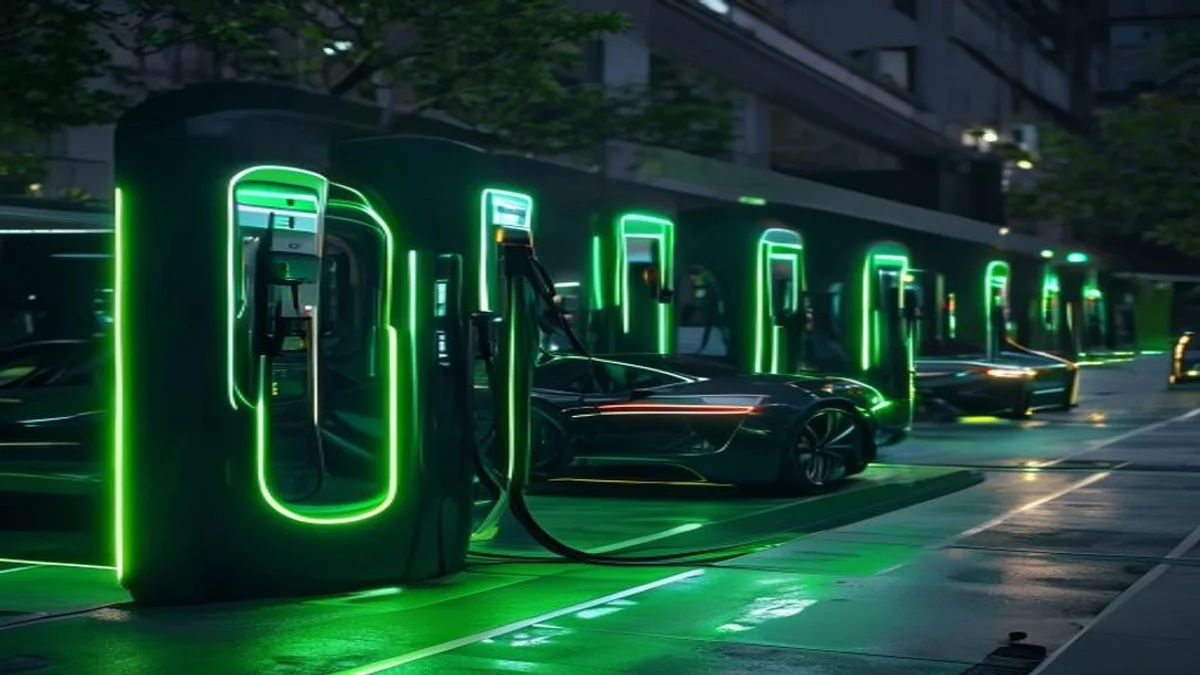
[Policy Shift]:
The Delhi Cabinet has officially approved the new EV Policy 2026, marking a decisive move toward sustainable urban mobility. A key component of this policy is the immediate prohibition of new petrol two-wheeler registrations starting in August 2026, forcing a rapid transition toward electric alternatives for all new buyers within the capital.
[Ambitious Targets]:
The policy sets an aggressive objective for 95% of all new vehicle registrations in Delhi to be electric by 2027, with that figure climbing to 98% by 2030. This mandate is supported by existing government measures, including a reduced five percent GST on electric vehicles and chargers, alongside exemptions from permit requirements for battery-operated vehicles.
[Infrastructure Context]:
To support this transition, the government is expanding charging infrastructure, which currently includes 67,657 chargers across India, including 1,139 battery swapping stations. While the policy aims to clean up Delhi's air, automakers represented by SIAM are lobbying against standardized energy-efficiency star ratings for e2Ws, fearing that such labels might deter customer confidence in a still-nascent market.
Pulse Intelligence
Context & ImpactContext & Background
- Delhi has struggled with severe air quality issues for several years.
- Previous EV policies have provided subsidies to encourage the adoption of electric scooters.
- The government has been working to standardize charging infrastructure across the country.
Key Consequences
- Petrol two-wheeler dealerships in Delhi will likely see a sharp decline in new vehicle sales.
- Demand for electric two-wheelers in the capital is expected to surge immediately.
- Automakers may face pressure to adjust their product portfolios to comply with Delhi's new mandate.
Market & Economic Impact
Electric two-wheeler manufacturers are expected to benefit significantly, while traditional petrol-focused manufacturers may face regional revenue headwinds.
The Indus Pulse is committed to accuracy and transparency.