
August 12, 2026 at 12:40 AM 2 min readindiaevergreen
Couple Reveals Low Living Costs In Himalayan Village Retreat
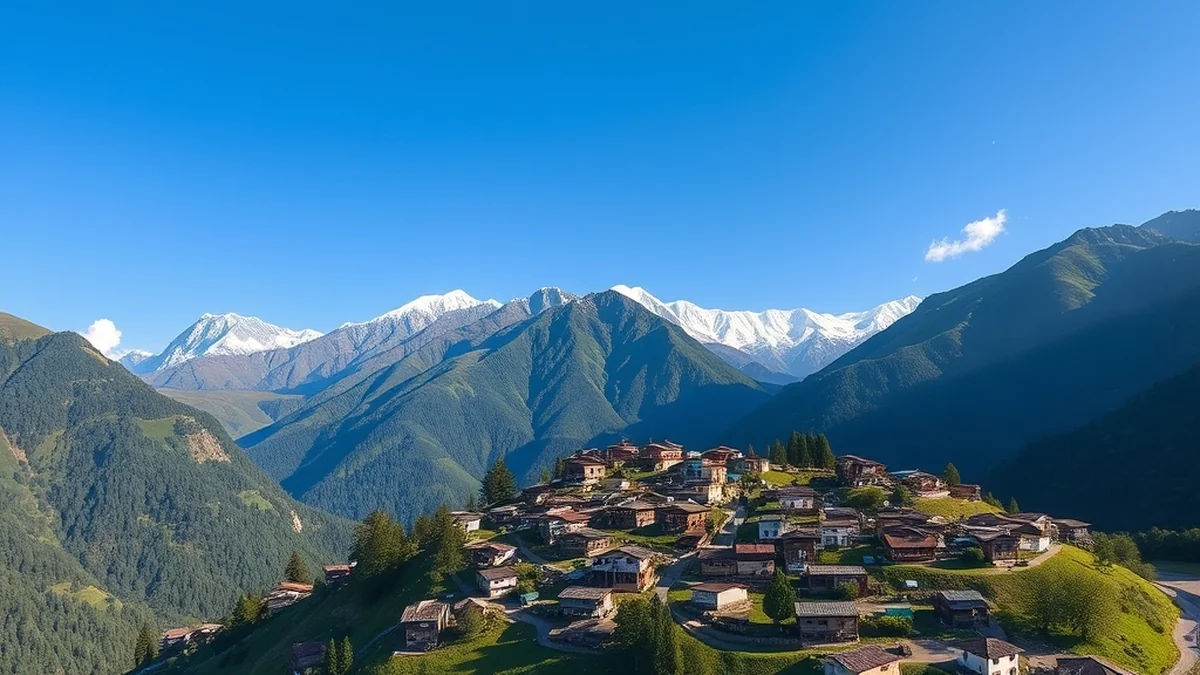
Himalayan Lifestyle Trends:
A couple has garnered significant attention by sharing the breakdown of their monthly living costs while residing in a remote village in the Himalayas. Challenging conventional urban housing narratives, they revealed that they occupy a spacious four-bedroom, hall, and kitchen (4BHK) residence, illustrating the stark contrast between metro city real estate markets and lifestyle costs in the mountains. The revelation highlights the growing trend of digital nomads and professionals seeking sustainable, low-cost living options outside major urban centers, driven by remote work opportunities and a desire for better work-life balance.
Economic Contrast:
The couple's breakdown provides insight into the affordability of life in rural high-altitude regions compared to the escalating costs of living in Indian metro cities like Bengaluru, Mumbai, or Delhi. By detailing their expenses, they provide a blueprint for those contemplating a similar transition toward a minimalist, nature-integrated lifestyle. This trend reflects broader changes in Indian consumption and living patterns, where connectivity through improved digital infrastructure is empowering individuals to relocate away from dense economic hubs without sacrificing professional engagement.
Impact on Regional Interest:
The story highlights the increasing interest in rural tourism and relocation, which could potentially impact local economies in the Himalayan states. As more individuals consider these retreats, local communities may witness shifts in infrastructure demands and economic activity. The appeal of such a lifestyle, characterized by lower overheads and proximity to nature, serves as a testament to the evolving priorities of India’s working population. Continued interest in this trend may lead to increased development in remote areas, necessitating a balance between ecological preservation and the infrastructure required to support new resident populations.
Pulse Intelligence
Context & ImpactContext & Background
- Many remote Himalayan regions have seen an influx of remote workers seeking refuge from urban crowding and high rent.
- Recent improvements in internet connectivity and digital infrastructure have made remote life in rural areas more viable.
Key Consequences
- Increased interest in rural relocation among young professionals may drive up local rental demand in Himalayan villages.
- Shift in consumer focus toward rural living could incentivize more tourism-based development in mountainous regions.
- Potential for new digital nomad hubs emerging in underserved regions, promoting regional economic diversification.
Market & Economic Impact
No direct market impact.
The Indus Pulse is committed to accuracy and transparency.