
July 30, 2026 at 04:19 AM 2 min readworldanalysis
Global Cooling Emissions Set to Triple by 2050 Amid Heat Waves
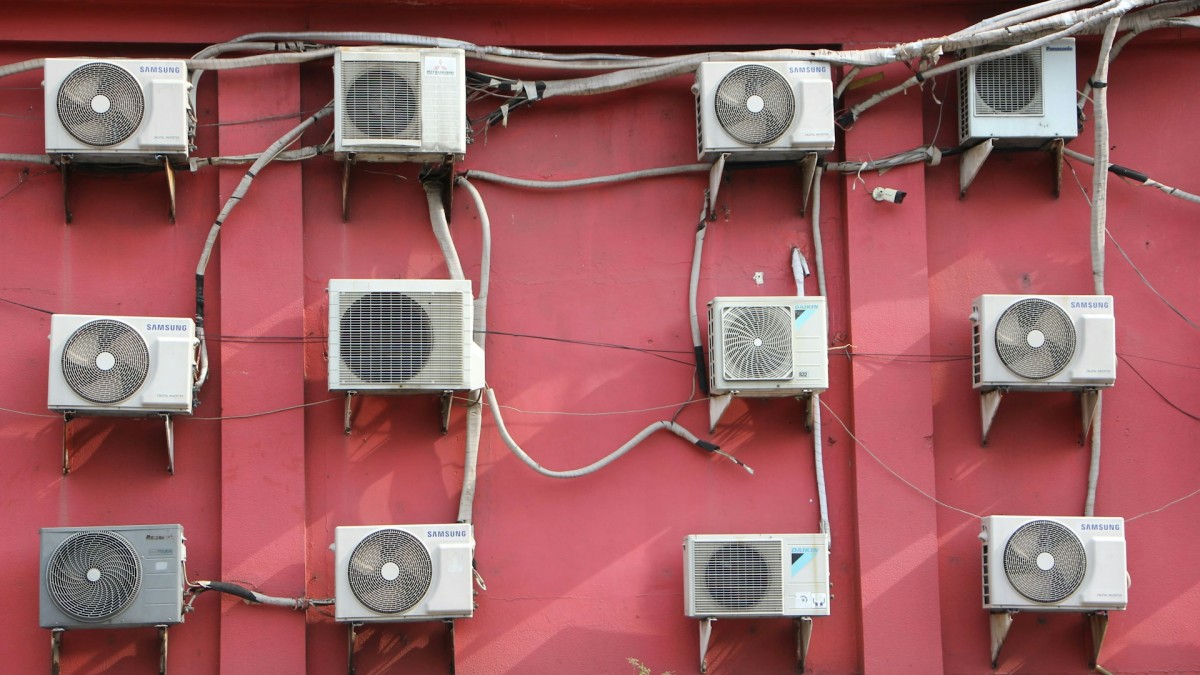
Surging Cooling Demand:
Global cooling emissions are projected to triple by 2050 as intense heat waves drive up demand for air conditioning and refrigeration systems. International reports indicate that vulnerable populations in developing regions face severe health risks due to inadequate access to cooling technologies.
Regional Vulnerabilities:
South Asian nations, including India and Pakistan, face immense electricity demand surges, with Indian power consumption projected to rise significantly. Experts note that unequal access to air conditioning creates a widening disparity between protected urban populations and vulnerable communities exposed to extreme temperatures.
Grid and Environmental Pressures:
The massive expansion of cooling infrastructure places heavy strain on national electricity grids, which heavily rely on fossil fuels. Policymakers face urgent challenges in deploying energy-efficient cooling technologies to prevent further acceleration of global carbon emissions.
Pulse Intelligence
Context & ImpactContext & Background
- Global temperatures have steadily increased, causing longer and more severe summer heat waves.
- Developing economies face mounting infrastructure pressures to expand reliable electricity grid capacity.
Key Consequences
- Electricity demand across South Asia is projected to scale significantly over the next two decades.
- Governments will need to implement stringent energy efficiency standards for commercial and residential cooling.
Market & Economic Impact
Power sector utilities and electrical equipment manufacturers face surging demand alongside grid capacity constraints.
The Indus Pulse is committed to accuracy and transparency.