
18 Aug 2026, 10:52 AM 2 min readworlddeveloping
Colombia Earthquake Recovery Begins After Deadly 7.4 Magnitude Quake
Disaster Response Initiatives:
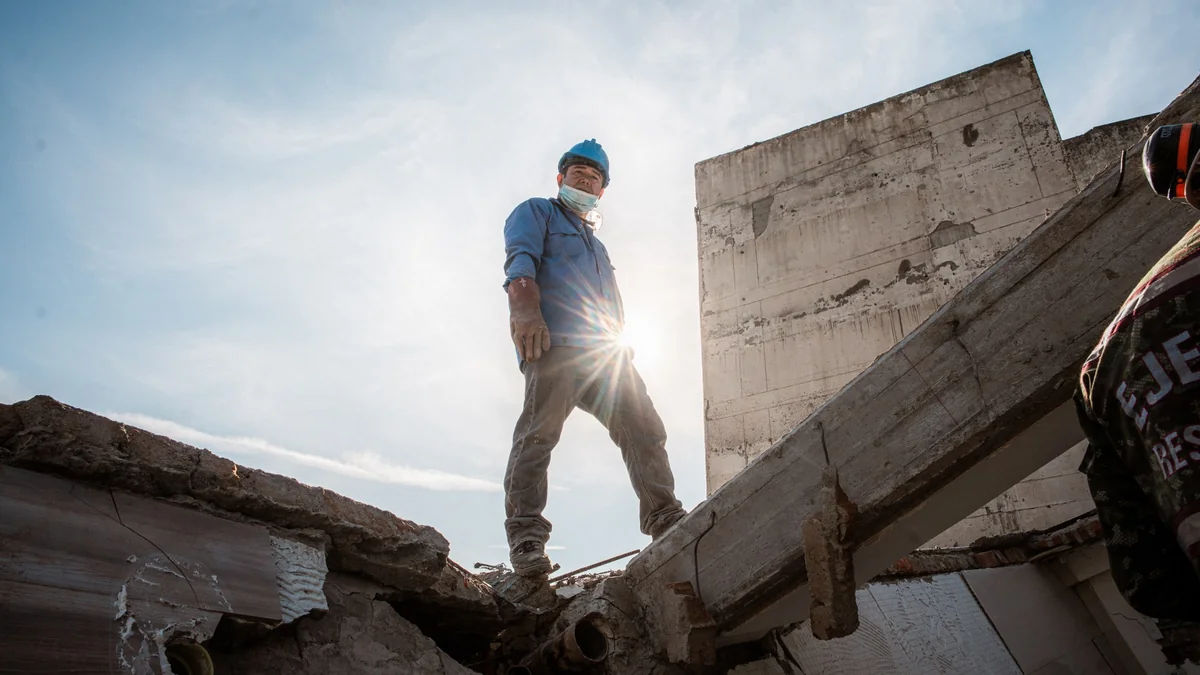
Authorities in Colombia have officially shifted from emergency search-and-rescue operations to recovery and rebuilding phases following a devastating magnitude 7.4 earthquake. The seismic event primarily impacted the Choco department, leaving 289 people dead and displacing thousands across affected regions. Emergency teams continue to clear debris and assess the integrity of damaged infrastructure in towns like San Jose del Palmar, where structural failure remains a significant threat to survivors.
Seismic Event Overview:
The powerful tremor struck with widespread intensity, sending shockwaves through major cities including Cali, Pereira, and Quibdo. Geologists attribute the high mortality rate to the shallow depth of the quake, which amplified ground shaking in densely populated regions with vulnerable housing stock. Local officials report that critical lifelines, including electricity grids and water supply networks, suffered extensive damage, effectively isolating many remote communities from immediate logistical support from the central government.
Future Recovery Outlook:
The national government plans to allocate emergency funds to facilitate long-term reconstruction efforts and provide medical relief to the thousands currently left homeless. International humanitarian organizations are coordinating with local authorities to deliver basic supplies, as the immediate priority remains stabilizing the humanitarian crisis in the Choco region. Officials warn that the coming weeks will require sustained infrastructure monitoring to prevent secondary collapses as the nation navigates the long road toward complete socio-economic recovery.
Pulse Intelligence
Context & ImpactContext & Background
- The Choco department is characterized by rugged, mountainous terrain, making rapid deployment of heavy machinery for rescue efforts historically difficult.
- Regional seismic activity in Colombia is frequently driven by the convergence of major tectonic plates beneath the Pacific coast.
Key Consequences
- Long-term infrastructure reconstruction will require significant budgetary adjustments from the federal government to stabilize rural housing.
- Increased demand for regional medical assistance is expected to strain existing health facilities in neighbouring cities like Cali and Quibdo.
Market & Economic Impact
No direct market impact.
The Indus Pulse is committed to accuracy and transparency.