
July 22, 2026 at 04:34 AM 2 min readindiaanalysis
CJI Surya Kant Questions Arbitration Support In DAMEPL Case
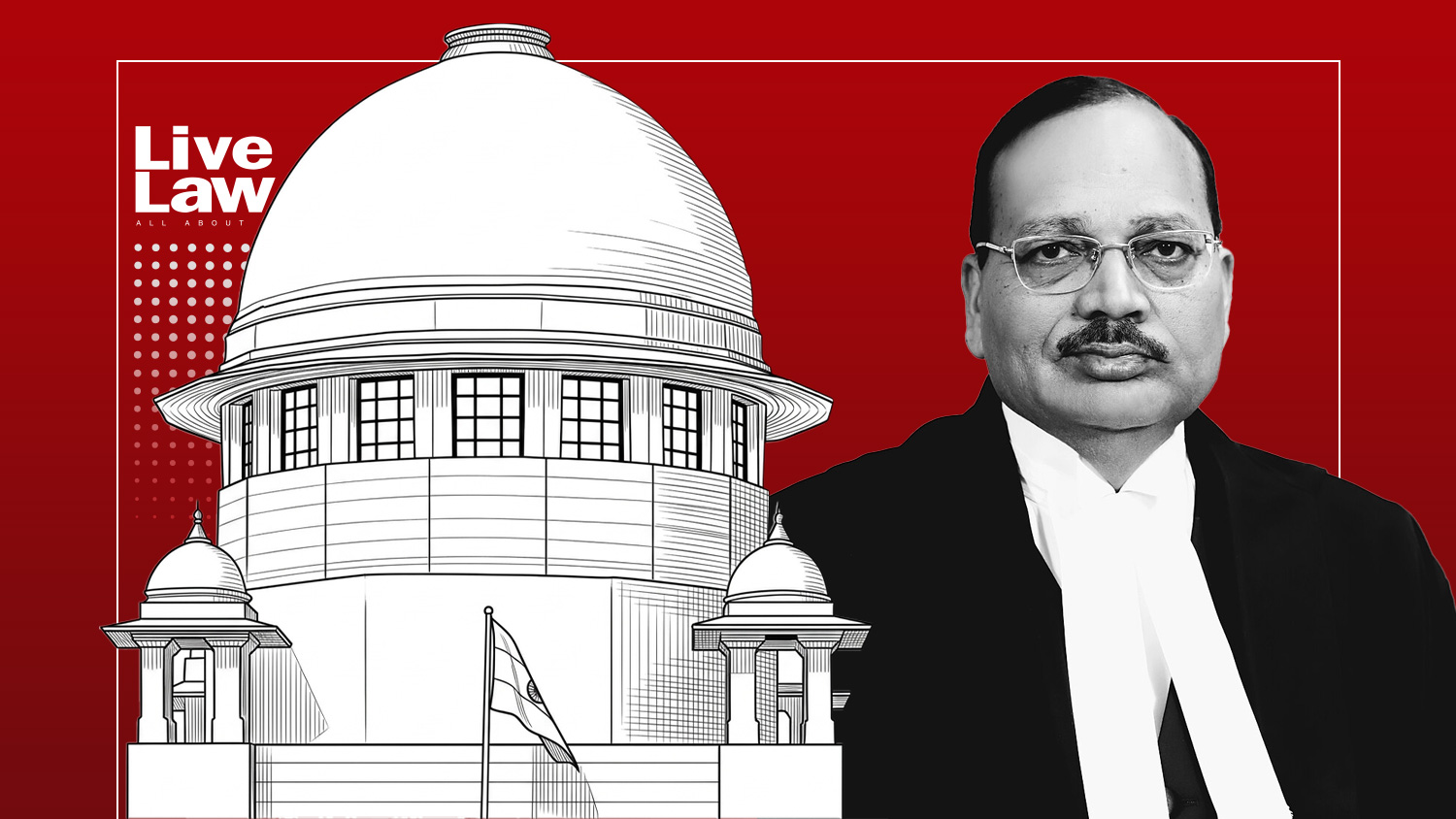
Judicial Review of Arbitration:
The Chief Justice of India, Surya Kant, has publicly questioned the continued support for the Delhi Airport Metro Express Pvt Ltd (DAMEPL) in arbitration proceedings despite the entity's defeat in the Supreme Court. During recent discourse, the Chief Justice expressed concern over how influential certain parties remain despite adverse judicial verdicts. This critique highlights ongoing tensions regarding how arbitration awards are treated within the Indian legal landscape, especially when those awards conflict with settled court outcomes.
Systemic Arbitration Challenges:
Justice Ujjal Bhuyan has echoed these concerns, noting that India's aspirations to become a global hub for arbitration are hindered by inconsistent policy frameworks and court rulings. Specifically, Justice Bhuyan criticized the Finance Ministry's high-value arbitration policy, suggesting it frequently conflicts with the country’s stated commitment to robust dispute resolution. These remarks underscore a growing friction between the government's procedural policies and the judiciary's efforts to uphold legal finality.
Broader Implications:
The scrutiny directed at DAMEPL and the Finance Ministry’s approach signals a potential shift in how arbitration is viewed by the higher judiciary. Legal observers note that if court verdicts and official policies continue to undermine arbitration, India may struggle to attract the international confidence needed for its legal reforms. The judicial push for clarity and consistency is expected to force a reconsideration of how the government handles high-stakes commercial disputes in the coming months.
Pulse Intelligence
Context & ImpactContext & Background
- The Delhi Airport Metro Express case involves a long-standing legal battle over arbitration awards granted to a private entity.
- Recent Supreme Court rulings have consistently overturned earlier arbitral awards in high-profile infrastructure contracts, citing public interest concerns.
Key Consequences
- The government may face increased pressure to align its arbitration policies with recent Supreme Court observations.
- Legal firms may see a period of uncertainty regarding the enforcement of future high-value arbitration awards in India.
Market & Economic Impact
Potential for increased litigation risk in infrastructure sector contracts as judicial scrutiny of arbitration grows.
The Indus Pulse is committed to accuracy and transparency.