
20 Aug 2026, 03:09 PM 2 min readindiabreaking
India on High Alert Following Coordinated 60-Hour Military Airlift by China and Turkey into Pakistan
Military Mobilization Concerns:
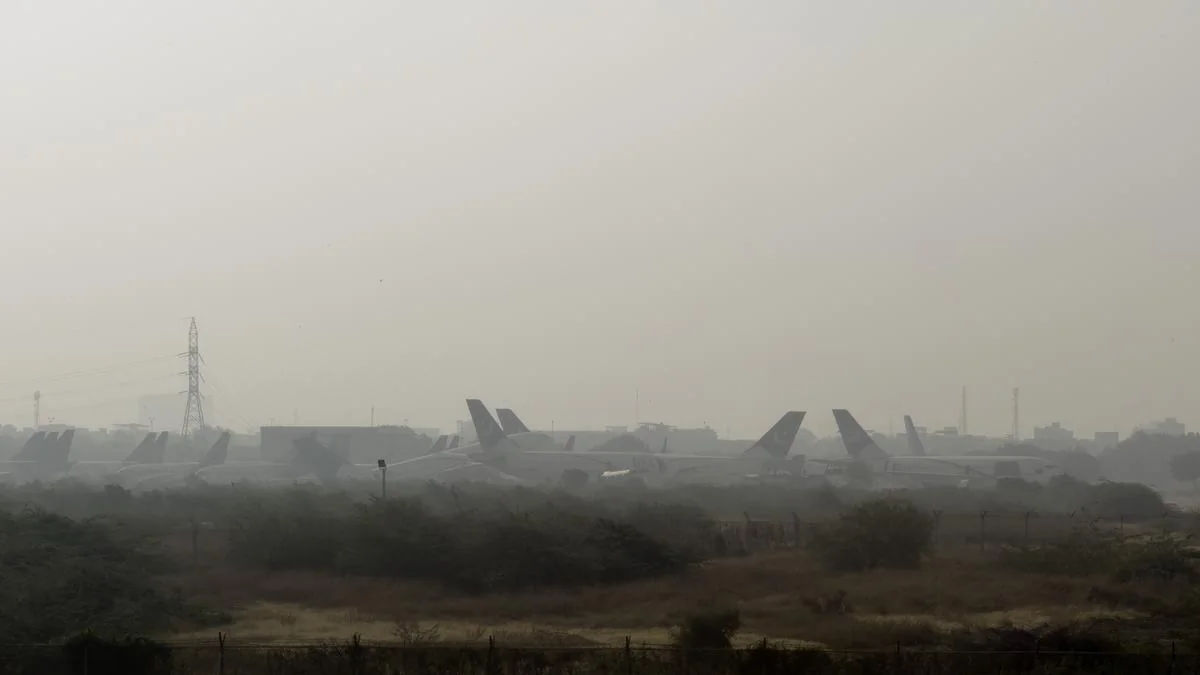
India has declared a high-level security alert following a massive, 60-hour joint airlift operation conducted by China and Turkey into Pakistan. Multiple heavy-lift transport aircraft made repeated trips to key Pakistani airbases, including Rawalpindi. This sudden, coordinated logistical surge has triggered intense monitoring by the Indian Air Force and border security officials. The maneuver occurs amid a sweeping regional airspace ban, originally implemented following a terror attack in Pahalgam, which has further complicated the security environment near the Indian border.
Strategic Defense Motivations:
Security analysts believe the airlift is an urgent, unscheduled defense transfer. The operation likely involves moving advanced hardware such as combat drones, precision munitions, and critical radar components to bolster Pakistan's military readiness. China and Turkey have both emerged as major defense suppliers for Islamabad, providing everything from fighter jets to advanced Bayraktar combat systems. This development reflects an increasing pattern of military synergy between the three nations, which creates a complex two-front strategic challenge for New Delhi.
Regional Security Impact:
The Indian government is now evaluating the long-term impact of this foreign military presence on the subcontinental power balance. Indian defense units remain on high vigilance to track the nature of the cargo and the operational extent of these flights. This trilateral alignment signals a shift in operational transparency that forces India to rethink its border security protocols. New Delhi is expected to raise formal diplomatic concerns with Ankara and Beijing regarding the potential threat this integrated logistical capability poses to regional stability.
Pulse Intelligence
Context & ImpactContext & Background
- Recent terrorist activity in Pahalgam triggered stringent security measures and airspace restrictions that are still in effect.
- China and Turkey have consistently deepened military ties with Pakistan through significant arms sales, including combat drones and fighter jets.
- India has historically faced a two-front strategic challenge from China and Pakistan, a dynamic now complicated by Turkey's growing defense exports to Islamabad.
Key Consequences
- The Indian Air Force will likely intensify round-the-clock aerial and satellite monitoring of Pakistani airbases and border zones to track foreign hardware movements.
- New Delhi is expected to seek official clarification from Beijing and Ankara while potentially registering formal diplomatic protests against the defense transfers.
- Regional power dynamics may shift toward a more overt military alignment between the three nations, forcing India to increase its Eastern and Western Command patrol frequency.
Market & Economic Impact
Defense stocks in India may witness increased volatility as security concerns drive speculation on future government procurement.
The Indus Pulse is committed to accuracy and transparency.