
August 3, 2026 at 09:36 AM 2 min readindiadeveloping
India Proposes Legal Identity Retention for Reverse Flipbacks Amid Diplomatic Pressures
Statutory Framework for Inward Re-Domiciliation:
A joint parliamentary committee has proposed a landmark statutory framework to simplify inward re-domiciliation for companies wishing to migrate their corporate headquarters back to India. The new rules allow overseas businesses to return while fully retaining their original legal identity, eliminating complex legal hurdles previously associated with reverse flipbacks.
Startups Returning from Abroad:
Many prominent Indian startups originally incorporated overseas in countries like Singapore, the United States, and the Netherlands to access global venture capital. As domestic public markets become increasingly lucrative, these companies are seeking to move their parent entities back home without undergoing complicated asset transfers, liquidations, and share-swapping schemes.
Simultaneous Diplomatic Tensions:
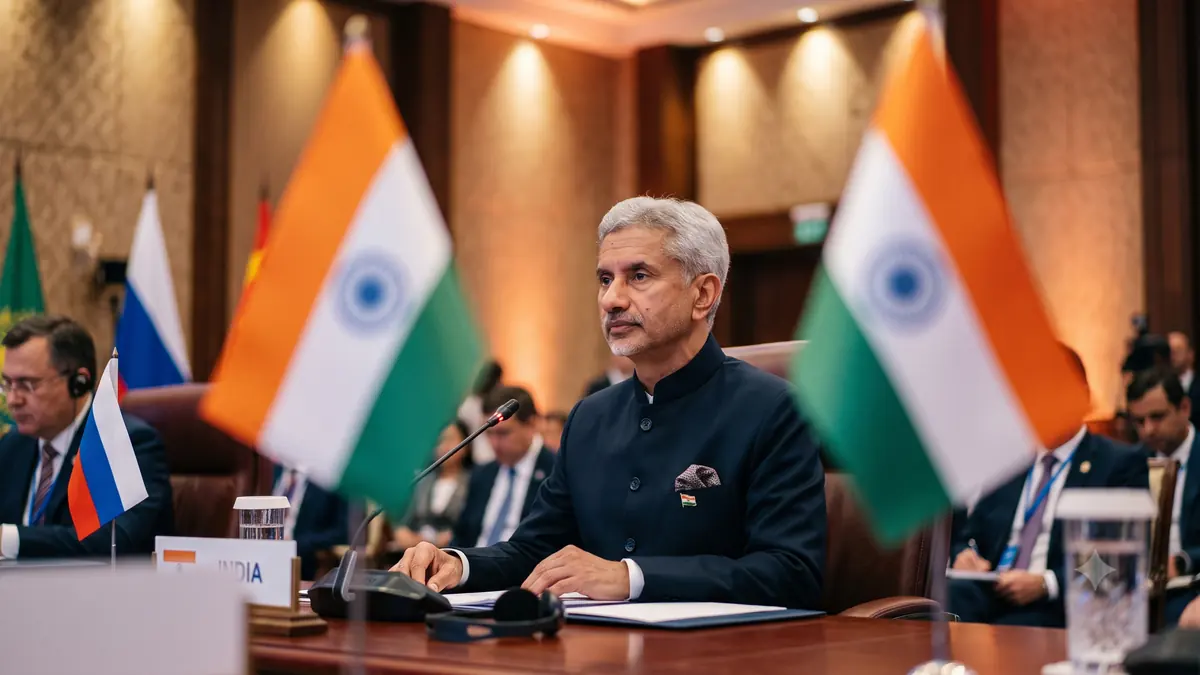
Concurrently, China has reportedly requested that India implement restrictive measures against specific media houses linked to Falun Gong and Tibet-related coverage ahead of the 18th BRICS Summit. New Delhi faces the delicate challenge of navigating these diplomatic demands while finalizing preparations for the high-profile international event and advancing its domestic economic reforms.
Pulse Intelligence
Context & ImpactContext & Background
- Over the last decade, hundreds of Indian founders registered their holding companies abroad to secure tax advantages and foreign venture capital.
- The Indian government has steadily eased foreign direct investment policies and regulatory filing systems to encourage overseas startups to return.
- BRICS summits involve complex coordination between member nations with differing strategic priorities and recurring diplomatic friction.
Key Consequences
- Startups will face significantly lower tax liabilities and administrative costs when moving their parent entities back to India.
- Indian domestic stock exchanges will see a rise in initial public offerings from formerly foreign-domiciled tech companies.
- Indian officials will need to maintain a careful balance between hosting a successful BRICS summit and defending domestic sovereignty against foreign media curbs.
Market & Economic Impact
This policy will attract significant capital back to India, strengthening domestic private equity activity and potentially boosting the Nifty and Sensex through major new listings.
The Indus Pulse is committed to accuracy and transparency.