
August 15, 2026 at 04:23 PM 2 min readworldanalysis
China Expands Ice Silk Road Arctic Shipping Route
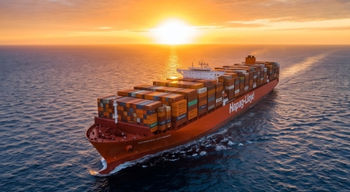
Ice Silk Road Development:
China is accelerating the development of the Northern Sea Route (NSR), commonly known as the Ice Silk Road, to establish a high-efficiency shipping corridor connecting Asia to Europe. This initiative aims to reduce transit times to approximately 20 days, offering a strategic alternative to the traditional Suez Canal route. The project reflects China's deepening economic ties with Russia, as both nations collaborate on the technological and infrastructure requirements to navigate the harsh Arctic environment safely and consistently throughout the year.
Strategic and Economic Rationale:
The Northern Sea Route is increasingly viewed as a vital artery for global trade, potentially shifting maritime dynamics significantly. While the initiative promises faster delivery of goods, it is characterized by substantial environmental, geopolitical, and technical hurdles. The extreme weather conditions in the Arctic necessitate specialized ice-breaking fleets and precise navigation technology, which China and Russia are actively refining. The endeavor has attracted international attention, with emerging interest from other nations like India regarding the implications for global trade lanes and maritime security.
Future Outlook for Global Trade:
The potential establishment of the Ice Silk Road as a reliable maritime highway has major implications for the future of global supply chains. As trade efficiency becomes a paramount concern, the success of this route could diminish the reliance on traditional canals, fundamentally altering shipping costs and logistics. However, the path ahead remains complex due to the environmental sensitivity of the region and the geopolitical interests of Arctic-adjacent states. Stakeholders are closely monitoring the route’s operational feasibility, as it represents a significant shift in the competitive landscape of international shipping and energy transport.
Pulse Intelligence
Context & ImpactContext & Background
- The Arctic region has gained prominence in global trade discussions due to melting ice caps opening new maritime paths.
- China and Russia have been building a strategic partnership to secure access to energy and trade resources in the North.
Key Consequences
- China may achieve significantly faster maritime trade between Asian markets and Europe, bypassing conventional choke points.
- The initiative could spur increased environmental scrutiny and geopolitical tensions in the Arctic region.
Market & Economic Impact
The development could lead to long-term shipping cost efficiencies, potentially affecting global logistics providers and Suez Canal-reliant shipping sectors.
The Indus Pulse is committed to accuracy and transparency.