
22 Aug 2026, 07:23 AM 2 min readworlddeveloping
China Targets Lunar South Pole With Chang'e-7 Water Ice Mission
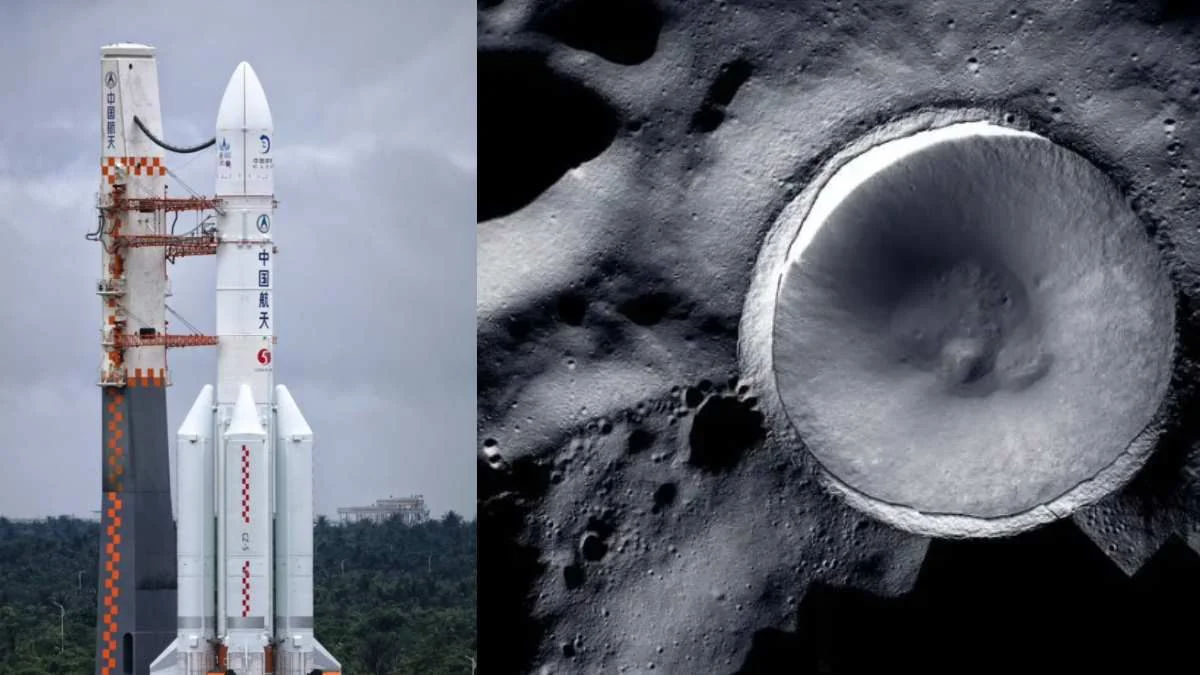
Lunar South Pole Objective:
China is preparing for its most complex lunar undertaking to date with the Chang'e-7 mission, which aims to land on the Moon's south pole. This historic first for the Chinese space agency focuses on the search for water ice within permanently shadowed regions. Scientific instruments aboard the lander and rover will analyze the soil composition and environmental conditions to determine if the area can support long-term human presence. The mission represents a critical step in the global race to establish sustainable lunar habitats and utilize local resources for further space travel.
Technical Complexity and Design:
The mission involves a multi-part spacecraft consisting of an orbiter, a lander, a rover, and a specialized 'flying probe' designed to hop into craters. Landing on the south pole presents extreme challenges due to the rugged terrain and the necessity of precise navigation in areas with limited sunlight. The Chinese space agency has integrated advanced sensors to detect chemical signatures of water beneath the lunar surface. This mission builds upon the success of previous Chang'e missions, which successfully returned samples from the Moon and landed on the far side.
India's Context and Global Race:
China's focus on the lunar south pole directly mirrors India's space ambitions, following the historic success of ISRO's Chandrayaan-3 in 2023. The south pole has become the primary theater of 21st-century space exploration, with both nations seeking to claim scientific leadership in the region. For India, the Chang'e-7 mission signifies growing competition in the neighborhood, emphasizing the need for continued investment in the Gaganyaan and upcoming Chandrayaan missions. The discovery of water ice would fundamentally change the economics of space exploration, making the Moon a viable refueling station for Mars missions.
Pulse Intelligence
Context & ImpactContext & Background
- India became the first nation to land near the lunar south pole with Chandrayaan-3 in August 2023, proving the region is scientifically accessible.
- The lunar south pole is believed to contain vast reserves of water ice in craters that never receive direct sunlight.
Key Consequences
- Success could accelerate the timeline for a permanent Chinese-led lunar research station by 2030.
- A successful landing would intensify the technological competition between ISRO and the Chinese space agency.
Market & Economic Impact
No direct market impact, but success boosts China's aerospace sector and domestic pride in high-technology manufacturing.
The Indus Pulse is committed to accuracy and transparency.