
19 Aug 2026, 03:47 PM 2 min readhealthDaily Pulse
Centre's Draft National Health Research Policy Aims to Lift R&D Spending
The draft policy proposes lifting research investment to 0.15% of GDP while family medical out-of-pocket costs decline.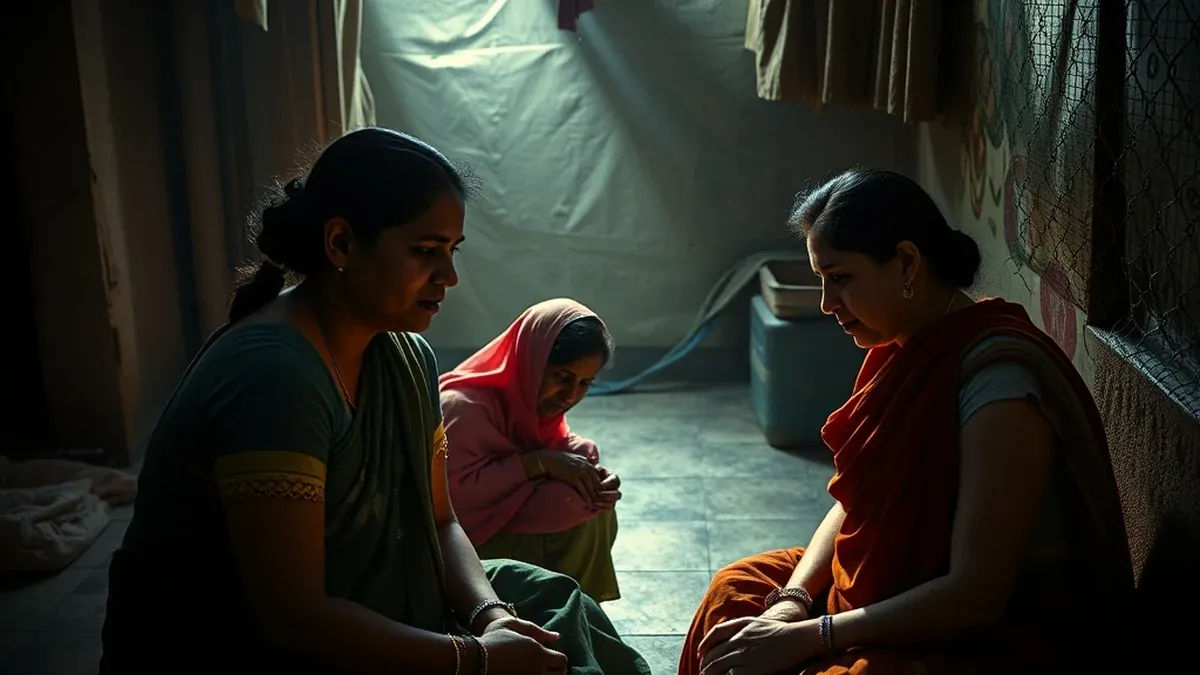
[Draft Research Policy Proposes Landmark Shift Toward Public Health Impact]:
The Union Health Ministry has released the draft National Health Research Policy for public consultation, proposing a fundamental reorientation of medical research across India. The framework aims to prioritize direct public health outcomes over traditional academic publication metrics. By setting ambitious benchmarks extending toward 2047, the policy seeks to transform how clinical studies and institutional funding are structured nationwide.
[Funding Expansion Targets Significant Increase In GDP Allocation]:
According to the policy framework, India aims to increase healthcare research investment from approximately 0.024% of current GDP up to 0.15%. This financial expansion is designed to boost Medical Science PhD output, upgrade institutional research infrastructure, and foster indigenous medical device manufacturing to reduce reliance on foreign imports.
[Out-Of-Pocket Healthcare Expenses Decline Toward Policy Targets]:
Concurrently, official data highlights that out-of-pocket healthcare expenses for Indian families have fallen significantly from approximately 64.2% in 2013-14 down to approximately 39.4%, moving closer to the National Health Policy target of 35%. This progress stems from sustained government healthcare expenditure and expanded public insurance schemes.
Pulse Intelligence
Context & ImpactContext & Background
- India's medical research funding has historically lagged behind major global economies relative to GDP percentage.
- Out-of-pocket expenditure has long burdened households seeking tertiary medical care in private facilities.
- The Ministry of Health has increasingly emphasized indigenous clinical trials and pharmaceutical self-reliance.
Key Consequences
- Increased funding allocation will likely accelerate clinical trial capacity across premier medical institutions by FY28.
- Lower out-of-pocket spending will improve healthcare accessibility for low- and middle-income households.
- Enhanced PhD incentives are expected to expand the pool of specialized medical researchers in India.
Market & Economic Impact
Policy initiatives supporting domestic healthcare infrastructure and R&D create favorable long-term sentiment for pharma and medtech sectors.
The Indus Pulse is committed to accuracy and transparency.