
29 Aug 2026, 06:42 AM 2 min readautodeveloping
Centre and BPCL Review E10 and E20 Ethanol Petrol Blending Policy
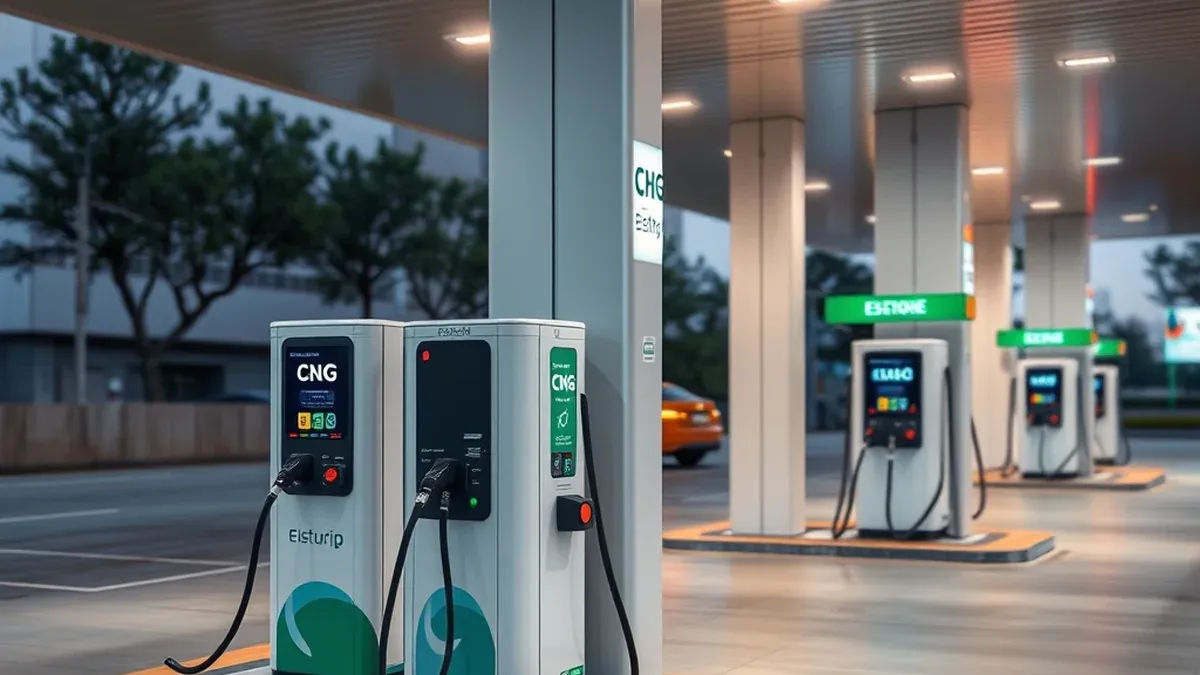
BPCL Considers Fuel Options:
Bharat Petroleum Corporation Limited has been actively exploring the possibility of offering E10 petrol alongside the newly introduced E20 fuel at retail outlets across India. The state-run refiner initially suggested E10 as a distinct consumer option before backtracking on the statement. This potential dual-fuel dispensation aims to accommodate older vehicle models that lack engine compatibility with higher ethanol blends, preventing mechanical damage and fuel efficiency drops in legacy cars.
Push for Ethanol Blending:
The Indian government has aggressively promoted ethanol-blended fuel to cut carbon emissions and curb massive crude oil import bills. While newer automobiles manufactured after April 2023 are fully compatible with E20 petrol containing 20 percent ethanol, millions of legacy vehicles face engine degradation risks. Industry stakeholders have repeatedly flagged concerns regarding corrosion and fuel system wear in pre-2023 engines operating continuously on high-blend ethanol, while logistics and infrastructure readiness remain at the forefront of the policy review.
Regulatory Approval and Outlook:
The final decision regarding the official introduction and logistical rollout of E10 petrol alongside E20 rests entirely with the Union Ministry of Petroleum and Natural Gas. Fuel retailers must await regulatory clearance before allocating separate storage tanks and dispensing units at petroleum pumps nationwide. As the Centre nears a final verdict, fuel stations prepare for potential operational adjustments to accommodate multi-blend dispensing systems while stakeholders await formal directives.
Pulse Intelligence
Context & ImpactContext & Background
- India achieved its target of supplying 10 percent ethanol-blended petrol ahead of schedule and advanced the roadmap for E20 rollout to 2025.
- Automakers transitioned vehicle manufacturing to be E20-compliant following stringent emission norms implemented by the central government.
- The Indian government has been aggressively pursuing an ethanol blending roadmap to reduce crude oil import dependency and improve air quality.
Key Consequences
- Millions of owners of older vehicles across India will gain access to safe fuel options without risking immediate engine damage.
- Fuel retailers will face additional logistical and infrastructure expenses to manage dual storage tanks for both E10 and E20 petrol.
- Automakers may need to expedite engine recalibration and consumer guidance to ensure compatibility with the updated fuel grades.
Market & Economic Impact
Bharat Petroleum Corporation Limited shares could experience mild investor relief as the potential dual-fuel option mitigates consumer alienation among older vehicle owners.
The Indus Pulse is committed to accuracy and transparency.