
August 7, 2026 at 02:35 AM 2 min readindiadeveloping
Centre Opposes Income-Based Creamy Layer for SC/ST Quotas in Supreme Court
Government’s Legal Stance:
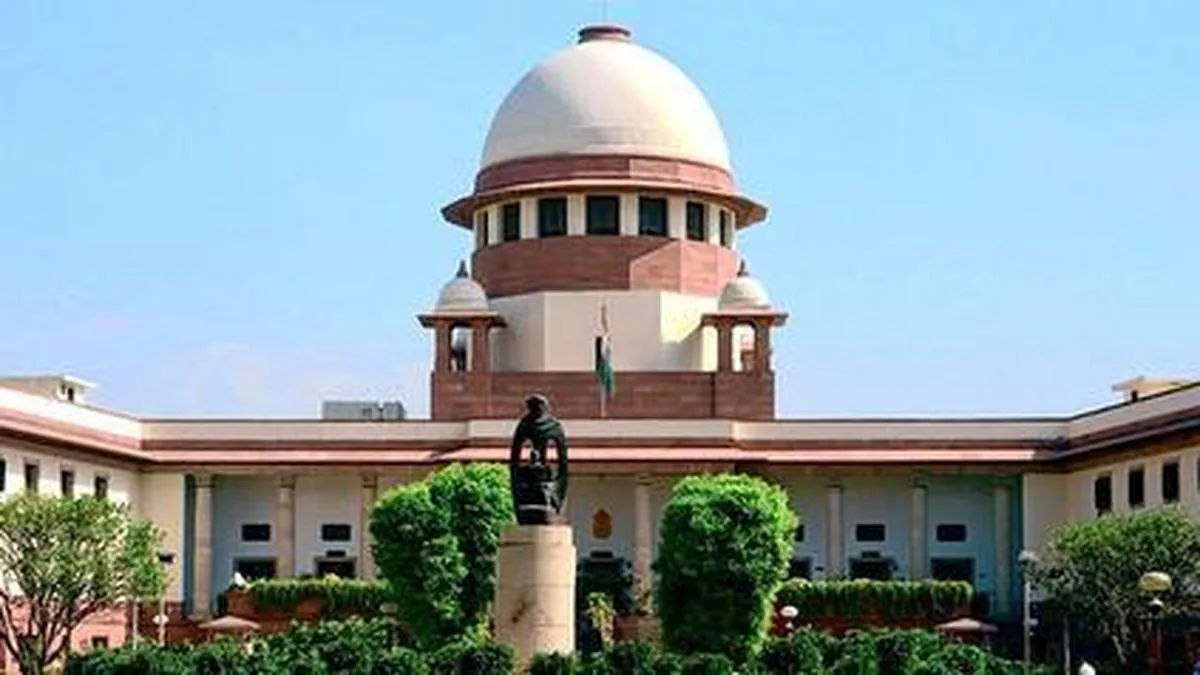
The Union government has formally opposed a public interest litigation (PIL) in the Supreme Court that sought the introduction of an income-based 'creamy layer' for Scheduled Castes (SC) and Scheduled Tribes (ST). In its affidavit, the Centre argued that the concept of reservation is not based solely on economic status but is rooted in the redressal of historical social backwardness. The government maintained that the current constitutional framework and various judicial precedents do not support the exclusion of relatively affluent individuals within the SC and ST categories from reservation benefits.
Judicial and Policy Context:
The Centre pointed out that while the creamy layer concept is strictly applied to Other Backward Classes (OBCs), the same logic cannot be extended to SCs and STs. It argued that most welfare schemes already employ a 'means test' to ensure benefits reach the deserving, but quotas in education and state services remain protected. Furthermore, the government emphasized that any decision to alter the fundamental criteria for reservation should rest with Parliament rather than the judiciary. This position aligns with previous standpoints where the executive has guarded its prerogative to define reservation eligibility.
Implications for Equality:
The ongoing legal debate highlights a growing tension between those seeking to redistribute quota benefits within Dalit and tribal communities and the state's commitment to broad-based affirmative action. If the court were to mandate a creamy layer, it could fundamentally change the administrative landscape of Indian education and government employment. Currently, the government insists that the existing system is necessary to maintain the representational integrity of these communities. The Supreme Court's eventual ruling will determine whether social identity remains the primary determinant for reservation regardless of individual wealth.
Pulse Intelligence
Context & ImpactContext & Background
- The 'creamy layer' concept was first introduced for OBCs following the 1992 Indra Sawhney judgment by the Supreme Court.
- Several recent petitions have argued that the benefits of reservation are being monopolized by a few families within the SC/ST communities.
Key Consequences
- The Supreme Court may choose to refer the matter to a larger constitutional bench for a definitive ruling.
- The Centre's stance is likely to prevent any immediate changes to the reservation status quo ahead of major regional elections.
Market & Economic Impact
No direct market impact.
The Indus Pulse is committed to accuracy and transparency.