
August 6, 2026 at 01:08 AM 2 min readhealthbreaking
Centre Deploys Teams to Combat Chandipura Virus Outbreak
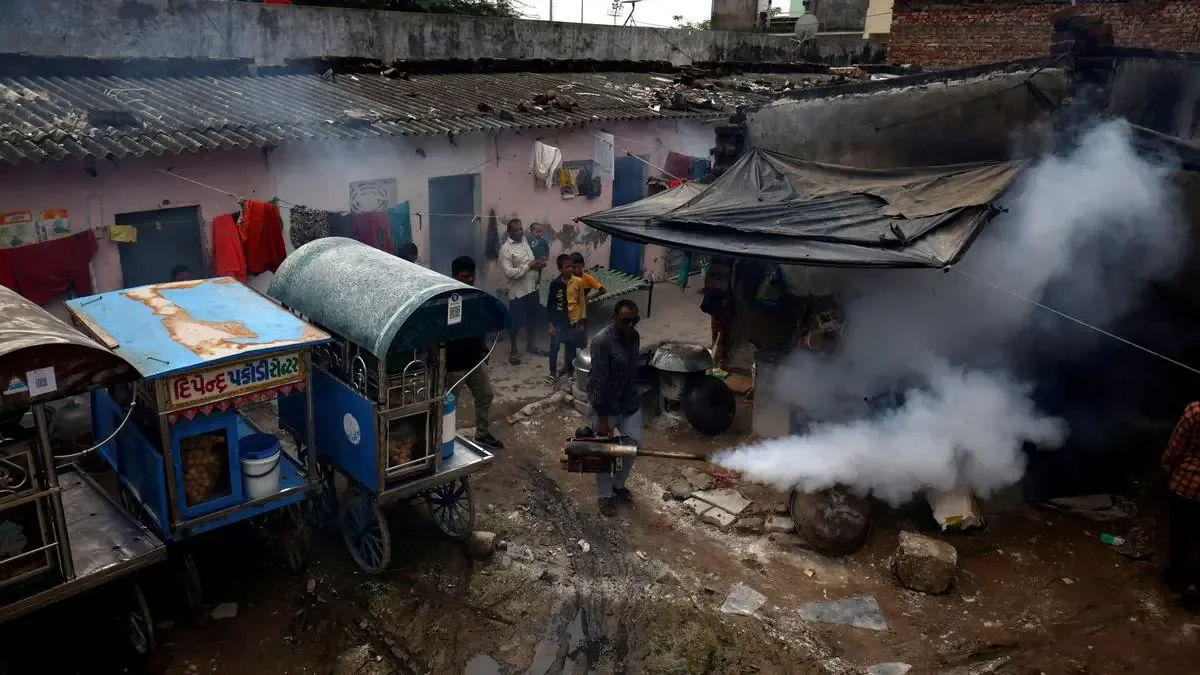
Chandipura Virus Response:
The central government has dispatched specialized national joint response teams to assist state health authorities in Gujarat and Rajasthan following a surge in Chandipura virus cases. The outbreak has resulted in 22 child deaths in Gujarat during the current monsoon season, prompting an urgent public health intervention. These expert teams are currently working to support local surveillance, diagnostic efforts, and clinical management in the affected districts.
Virus Background:
The Chandipura virus is a rare but deadly pathogen primarily transmitted by vectors such as sandflies, which proliferate during monsoon conditions. The disease typically affects children and is characterized by a rapid onset of symptoms including high fever, seizures, and neurological complications. Public health officials are intensifying efforts to implement vector control measures and improve early detection, as no specific vaccine or antiviral therapy is available for direct treatment. The rapid progression of the illness necessitates immediate clinical care for patients displaying neurological distress.
Public Health Measures:
Health ministries are conducting widespread awareness campaigns to educate rural communities about preventing vector exposure and the importance of seeking medical help at the first sign of illness. The national response teams are currently analyzing the transmission patterns to help state authorities formulate more effective containment strategies. Monitoring continues across the regions, as officials prioritize the containment of further outbreaks. The focus remains on reducing the case fatality rate through timely medical intervention and enhanced diagnostic infrastructure at local health centers.
Pulse Intelligence
Context & ImpactContext & Background
- The Chandipura virus was first identified in 1965 and typically outbreaks occur in cyclical patterns during heavy rains.
- Monsoon seasons often see a rise in vector-borne diseases across rural India due to environmental conditions.
Key Consequences
- Local health authorities are likely to ramp up vector surveillance and insecticide distribution in high-risk zones.
- Clinical guidelines for pediatric neurological treatment are being updated to address the recent surge in symptoms.
Market & Economic Impact
No direct market impact.
The Indus Pulse is committed to accuracy and transparency.