
Health Desk July 15, 2026 at 11:07 AM 2 min readhealthanalysis
Hospital Pathogens Show Increasing Carbapenem Resistance
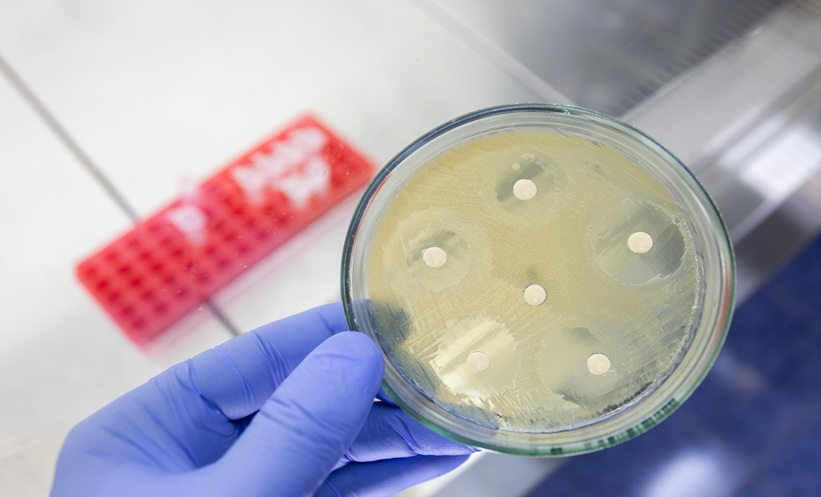
Carbapenem Resistance Trends:
Emerging clinical research highlights a concerning rise in the prevalence of carbapenem resistance genes within hospital-acquired pathogens. Carbapenems, often considered a last-resort class of antibiotics, are losing efficacy against several multi-drug resistant organisms, including common bacterial strains that frequently circulate in healthcare environments. The presence of these resistance genes complicates treatment pathways, increasing mortality risks for patients with severe systemic infections.
Underlying Drivers of Resistance:
The rapid spread of these resistant genes is attributed to excessive antibiotic use, insufficient infection control measures, and the high-density nature of modern intensive care units. These environments facilitate the horizontal transfer of genetic material between bacterial populations, enabling pathogens to acquire resistance to potent therapeutic agents. As pathogens evolve to withstand carbapenem treatment, the global medical community faces an urgent struggle to maintain the utility of essential infection-fighting drugs.
Clinical Implications and Future Mitigation:
Addressing this trend requires a multi-pronged approach involving strict antibiotic stewardship and advanced genomic surveillance in hospitals. Experts urge for enhanced diagnostic capabilities to rapidly identify resistant organisms, allowing for the precise administration of alternative treatments. The emergence of these genetic markers necessitates global policy shifts toward stronger infection prevention, as the continued loss of effective antibiotics threatens the foundations of modern surgical and medical care.
Pulse Intelligence
Context & ImpactContext & Background
- Antibiotic resistance is a growing global threat that challenges standard medical and surgical procedures.
- Carbapenem drugs are essential for treating severe infections caused by Gram-negative bacteria in healthcare settings.
Key Consequences
- Requirement for hospitals to implement more rigorous disinfection protocols and isolate infected patients.
- Development of new diagnostic tools to identify specific resistance genes at the point of care.
Market & Economic Impact
No direct market impact.