
Tech Desk July 15, 2026 at 10:01 AM 2 min readtechbreaking
Canva Code 2.0 Simplifies App Development With Natural Language
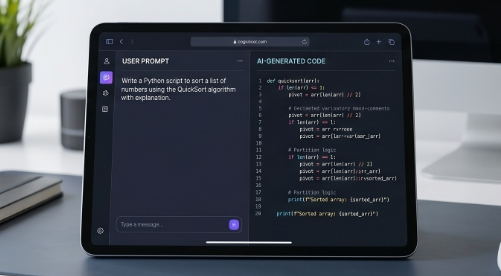
Canva Code 2.0 Launch:
Canva has officially introduced Code 2.0, an updated suite of tools designed to allow users to build applications and websites using plain language. The platform integrates these capabilities directly into the existing Canva editor, aimed at reducing the technical barrier for non-programmers. This development continues the current industry trend of integrating generative AI to automate complex software engineering tasks.
Democratizing Software Creation:
The software enables individuals to create interactive digital experiences and web interfaces without needing traditional coding expertise. By allowing users to describe their requirements in plain text, Canva targets a broader creative demographic that already utilizes the platform for design. This represents a significant shift in how non-technical users can participate in the digital product economy, effectively turning designers into basic software developers.
Future Development Implications:
For the Indian market, this tool lowers the barrier for entrepreneurs and small businesses to launch digital storefronts or custom applications rapidly. While this facilitates entry, it also shifts the demand toward creative UI/UX strategy rather than backend syntax. Observers should watch for how this impacts the entry-level developer job market and the speed of digital transformation for small-scale enterprises across India.
Pulse Intelligence
Context & ImpactContext & Background
- Canva began as a simple graphic design tool before expanding into a comprehensive platform for videos, websites, and presentation assets.
- The rise of 'vibe coding' or natural language programming tools has become a major focus for tech companies competing to lower barriers to entry for software creation.
Key Consequences
- Small business owners in India can develop custom apps without the costs of professional software development services.
- Established developer roles may shift toward managing AI-driven workflows rather than manual coding tasks.
Market & Economic Impact
No direct market impact.