
August 4, 2026 at 05:20 AM 2 min readhealthanalysis
Bispecific Antibodies Transform Cancer Therapy in Clinical Trials
Dual-Action Antibodies Enter Clinic:
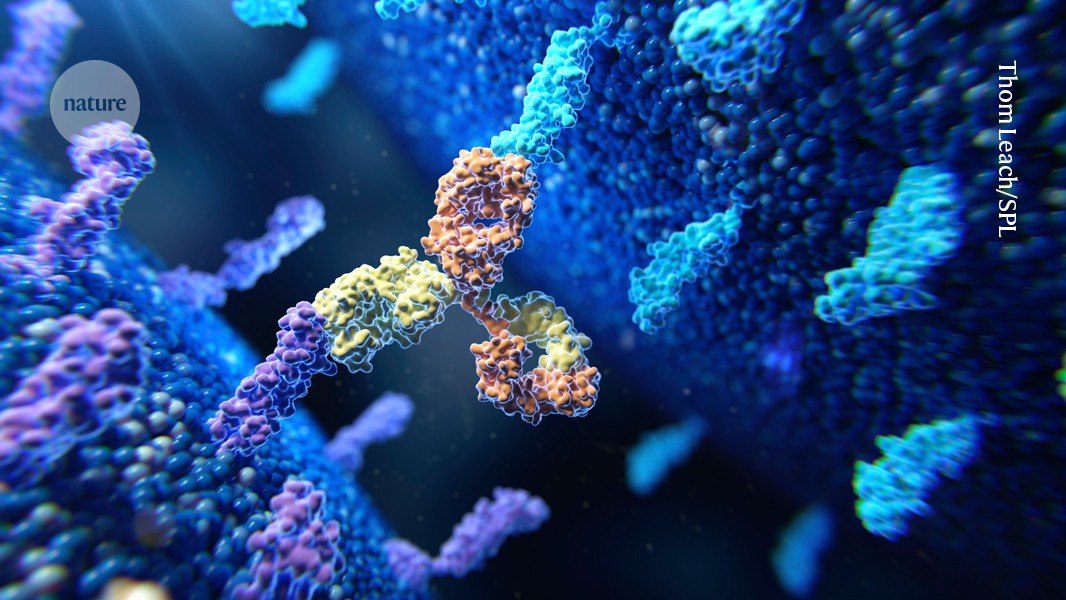
Next-generation cancer-fighting molecules known as bispecific antibodies are rapidly advancing through clinical trials. Unlike traditional monoclonal antibodies that target a single protein, these engineered dual-action therapies can bind to two different targets at the same time. This 'one-two punch' mechanism allows the drug to physically grab a cancer cell with one arm while recruiting and activating a nearby immune cell with the other, leading to highly localized tumor destruction.
Engineering a Precise Immune Attack:
Traditional cancer therapies often suffer from a lack of specificity, leading to severe side effects when healthy tissues are damaged. Researchers developed bispecific antibodies to solve this problem by focusing the body's natural immune response directly on the microenvironment of the tumor. The success of early versions of these drugs has prompted biotechnology companies to design even more elaborate, multi-specific variants capable of targeting three or more cancer-associated proteins simultaneously.
Boosting Advanced Oncology Care in India:
This breakthrough is highly significant for India, where the burden of advanced solid tumors remains a major public health challenge. If approved globally, these therapies could eventually arrive in Indian clinical settings, providing vital alternatives for patients who have exhausted traditional chemotherapy and radiation options. However, local health experts note that manufacturing complexity and high initial costs will remain significant barriers to widespread adoption across India's public healthcare sector.
Pulse Intelligence
Context & ImpactContext & Background
- Monoclonal antibodies have been a cornerstone of cancer immunotherapy for over two decades, but many patients develop resistance over time.
- The first generation of bispecific antibodies primarily targeted blood cancers, but current research is focused on adapting them for solid tumors.
Key Consequences
- Oncology pipelines will shift heavily toward multi-specific biologic drugs, potentially replacing older monoclonal antibody therapies.
- Global pharma companies will seek regulatory approvals in emerging markets like India, though pricing negotiations will be complex.
Market & Economic Impact
No direct domestic stock market impact, but it signals long-term growth for Indian biopharmaceutical firms capable of contract manufacturing complex biologics.
The Indus Pulse is committed to accuracy and transparency.