
18 Aug 2026, 06:43 AM 2 min readhealthdeveloping
Global Bird Flu Outbreaks Threaten Wildlife Habitats and Biodiversity
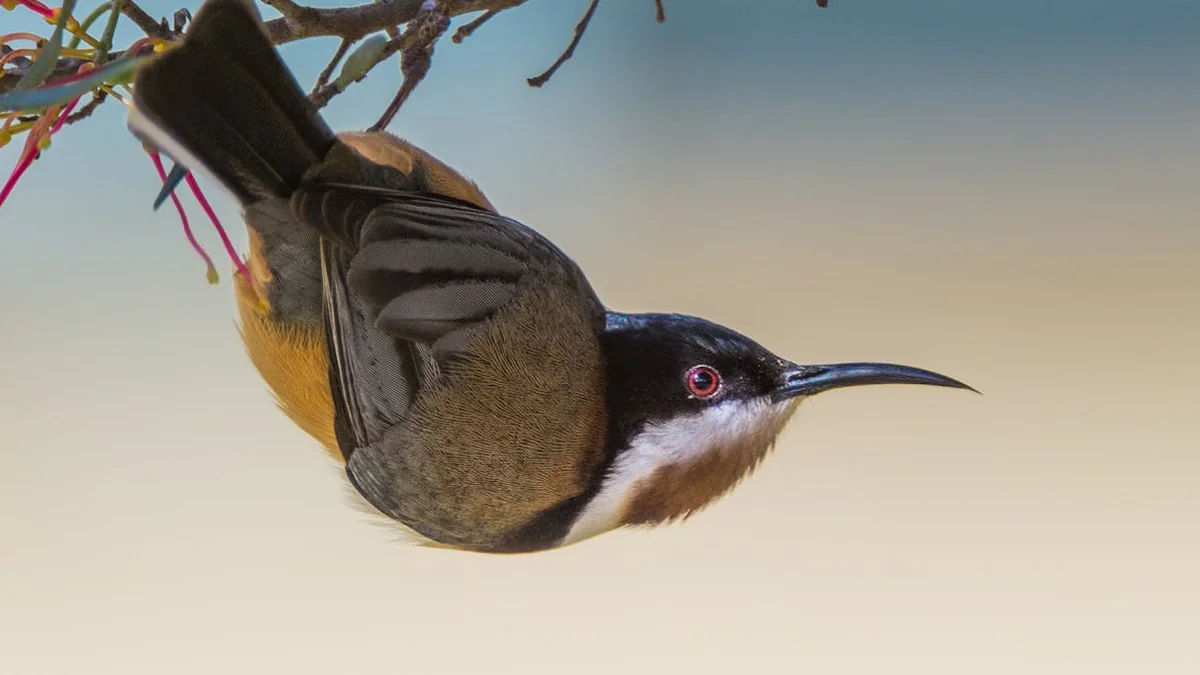
Ecological Impact:
The H5N1 strain of bird flu continues to devastate wildlife populations across multiple continents, moving beyond commercial poultry to threaten wild bird habitats. Environmental experts report that the virus has spread from coastal regions to inland plains, causing significant mortality in vulnerable species and placing entire ecosystems under stress. This shift in transmission patterns indicates that current mitigation strategies are struggling to contain the pathogen's rapid spread in the wild.
Economic and Conservation Pressure:
The threat to avian populations carries significant economic implications for agriculture and conservation efforts alike. Veterinarians and government agencies are seeking urgent funding to enhance biosecurity for domestic farms while simultaneously deploying monitoring teams to track wild bird movements. Efforts are focused on preventing total collapse of biodiversity in critical zones, as affected areas suffer from reduced species populations that perform essential roles in their respective ecosystems.
Mitigation Strategies:
International and local authorities are currently emphasizing the need for long-term habitat protection rather than temporary measures. For nations like India, with vast bird sanctuaries and large poultry industries, monitoring the migration corridors of wild birds is essential to protect both public health and the economy. The future of wildlife resilience depends on global cooperation in sharing diagnostic data and funding large-scale vaccination programs for domesticated flocks to reduce the viral load in the environment.
Pulse Intelligence
Context & ImpactContext & Background
- H5N1 has experienced several high-mortality waves globally over the past three years, severely impacting wild bird and marine mammal populations.
- Poultry industries worldwide are already spending millions on defensive measures to protect livestock from frequent outbreaks.
Key Consequences
- Conservationists anticipate a significant decline in avian biodiversity if the current H5N1 spread remains unchecked in wild populations.
- Governments may be forced to dedicate larger portions of their agricultural budgets to wildlife-focused biosecurity and monitoring.
Market & Economic Impact
Ongoing outbreaks continue to put pressure on poultry commodity prices and increase operational costs for the agricultural sector.
The Indus Pulse is committed to accuracy and transparency.