
August 15, 2026 at 04:20 PM 2 min readindiadeveloping
Bengaluru Metro Yellow Line Boosts Frequency With 15th Train
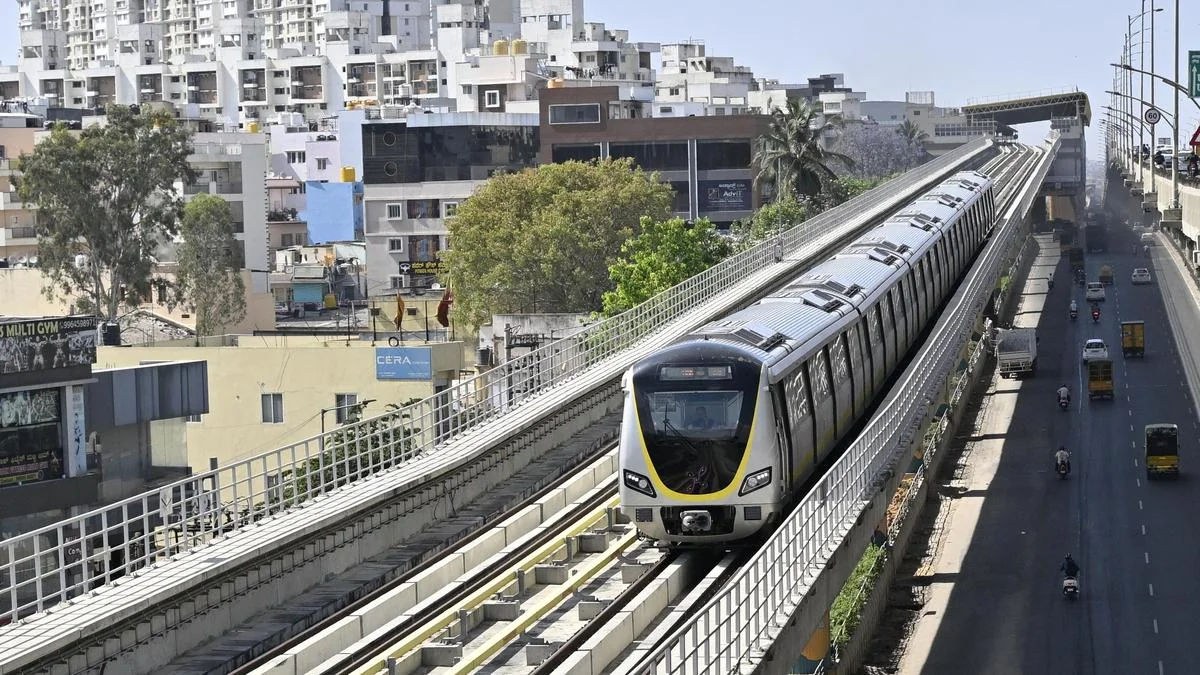
Fleet Expansion and Frequency:
Bengaluru’s Namma Metro has officially inducted the 15th train into its Yellow Line fleet, marking a significant milestone in urban transit capacity. This addition allows the Bangalore Metro Rail Corporation Limited (BMRCL) to reduce peak-hour intervals to just six minutes. The enhancement is designed to manage the surge in commuters along this critical corridor, which connects key residential and commercial hubs. The deployment of additional rolling stock is a direct response to the growing demand for faster and more reliable public transport in the city’s tech-heavy eastern sectors.
Ridership Milestones:
The Yellow Line recently celebrated its one-year anniversary, having transported over 3.8 crore passengers since its inception. In August 2026, Namma Metro recorded its highest-ever single-day ridership, with approximately 11.19 lakh passengers utilizing the network. The Yellow Line has been instrumental in this growth, proving to be one of the most efficient routes in the system. The transition to a six-minute frequency is expected to further boost these numbers by providing a viable alternative to Bengaluru’s notorious road traffic, particularly for daily office commuters.
Impact on Bengaluru Transit:
This development signifies a broader push to modernize Bengaluru’s infrastructure and improve last-mile connectivity. As the metro network expands, the pressure on the existing fleet has intensified, making the induction of new trains essential. For the average resident, the improved frequency means significantly reduced waiting times and less crowded coaches during rush hours. Looking ahead, BMRCL plans to integrate more driverless train technology and complete pending sections of other lines to create a fully seamless transit grid across the metropolitan area.
Pulse Intelligence
Context & ImpactContext & Background
- The Yellow Line was inaugurated to alleviate traffic in Bengaluru's tech corridors like Electronic City.
- BMRCL has been gradually procuring more coaches from Titagarh Rail Systems and CRRC to meet growing demand.
Key Consequences
- Commuters will experience a reduction in wait times during morning and evening rush hours.
- Increased ridership is expected to lead to higher non-fare revenue for BMRCL through advertising.
Market & Economic Impact
Improved urban mobility generally boosts real estate values along the metro corridor and increases productivity for tech firms located near stations.
The Indus Pulse is committed to accuracy and transparency.