
July 23, 2026 at 07:07 AM 2 min readhealthanalysis
Belly Fat Brain Health Risk Explained by Neurologist
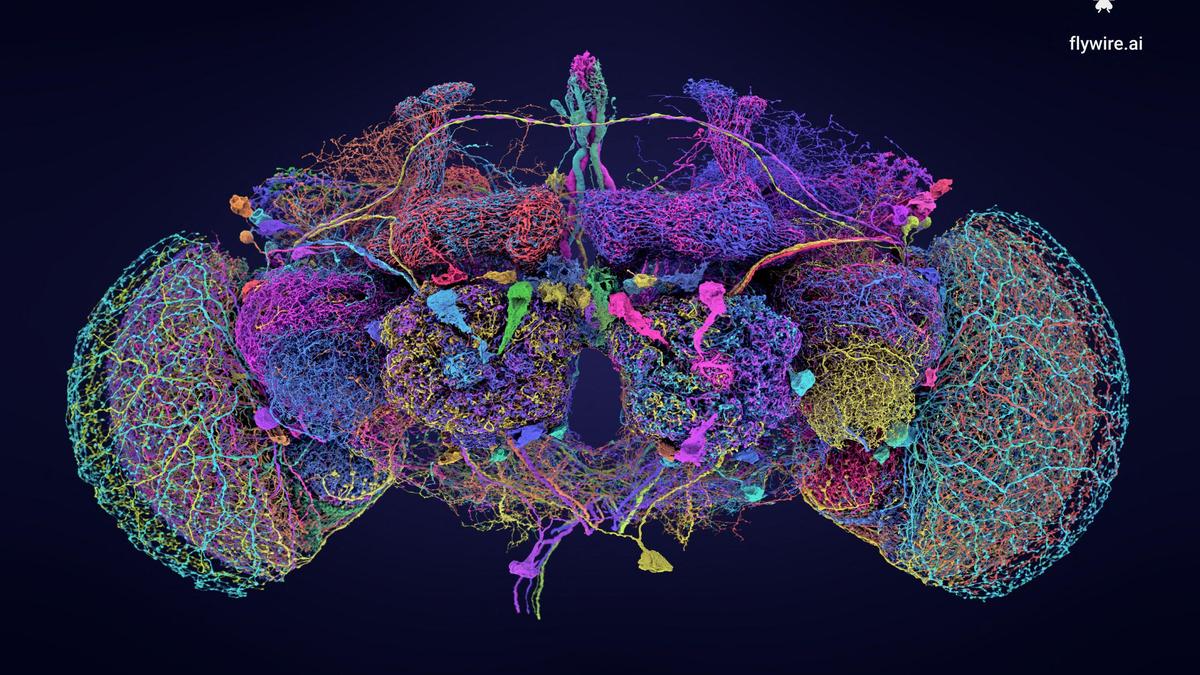
Visceral Fat Hazards:
Excess belly fat acts as an active endocrine organ that directly compromises brain health and accelerates cognitive decline. Medical experts point out that visceral fat releases inflammatory cytokines and hormones into the bloodstream. These harmful chemical signals cross the blood-brain barrier and trigger widespread neuroinflammation.
Brain Volume Reduction:
Chronic systemic inflammation leads to accelerated brain aging and visible reductions in total brain volume. Studies demonstrate that individuals with high abdominal fat deposition experience premature hippocampal shrinkage. This specific brain region governs memory formation and emotional regulation, leaving affected people vulnerable to severe memory loss.
Preventive Lifestyle Measures:
Protecting cognitive function requires targeted lifestyle interventions focused on reducing visceral adiposity through balanced nutrition and regular physical exercise. Maintaining a healthy waistline lowers systemic inflammation and preserves neuroplasticity over time. Physicians recommend sustained aerobic activity and calorie-conscious diets to safeguard long-term neurological wellness.
Pulse Intelligence
Context & ImpactContext & Background
- Medical research has increasingly linked metabolic syndrome and visceral obesity to long-term neurodegenerative disorders.
- Clinical studies frequently highlight the direct correlation between high waist-to-hip ratios and reduced grey matter volume.
Key Consequences
- Increased clinical emphasis on metabolic health management as a primary strategy for dementia prevention.
- Greater public health awareness regarding the hidden dangers of abdominal fat beyond cardiovascular risks.
Market & Economic Impact
No direct market impact.
The Indus Pulse is committed to accuracy and transparency.