
August 14, 2026 at 05:22 AM 2 min readindiadeveloping
Bar Council Retracts NALSAR Ban as Legal Tensions Escalate
BCI Withdraws Regulatory Directive:
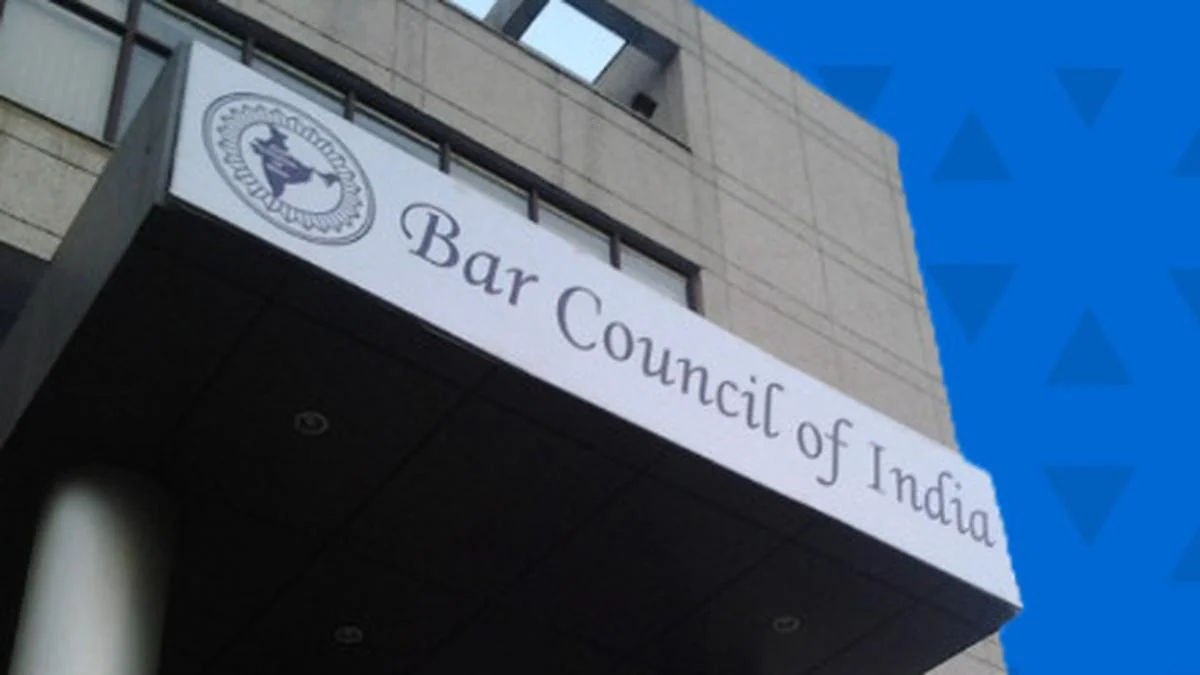
The Bar Council of India (BCI) has officially rescinded its controversial directive that threatened to bar the 2026 graduating batch of NALSAR University of Law from enrolling as advocates. Initially, the BCI had issued a letter to the Hyderabad-based university expressing intent to investigate student activities deemed inappropriate, which could have derailed the legal careers of an entire cohort. Following intense nationwide backlash from legal professionals, students, and activists, BCI Chairman Manan Kumar Mishra confirmed the withdrawal of the inquiry. The decision ensures that students can proceed with their professional enrollments across state bar councils without administrative interference or disciplinary hurdles.
Institutional Conflict and Activism:
The controversy was initially sparked by student engagement during the university’s convocation, which involved protests against Supreme Court Justice Surya Kant. This led to a significant constitutional debate regarding whether the BCI has the authority to stall careers based on campus activism. The situation escalated into a viral digital movement, notably supported by the Cockroach Janta Party, which highlighted the collective strength of the legal fraternity in opposing what many labeled as regulatory overreach. Both the university administration and the BCI have since clarified that their primary interests remain aligned with maintaining academic and professional standards.
Escalating Friction in Meghalaya:
While the NALSAR issue reached a resolution, legal tensions remain high elsewhere in the country. In Meghalaya, the High Court Bar Association and Shillong Bar Association have formally expelled Advocate General Amit Kumar from their memberships. Local bar bodies urged the state government to terminate his appointment, citing objectionable court submissions that they claim violated the collective interests of the legal community. These combined events underscore a deeper, growing friction between independent bar associations and state-appointed legal officers, signaling a period of heightened scrutiny regarding professional conduct, institutional autonomy, and the boundaries of dissent within the Indian legal landscape.
Pulse Intelligence
Context & ImpactContext & Background
- The Bar Council of India serves as the primary regulatory body for legal education and the enrollment of law graduates in the country.
- NALSAR University of Law is a premier National Law University in India, traditionally known for encouraging robust student discourse on social and political issues.
- Advocate Generals in Indian states are political appointments, often creating complex professional dynamics between their office and local independent bar associations.
Key Consequences
- The 2026 graduating batch of NALSAR can now proceed with their legal career registrations across all Indian states without disciplinary delays.
- The Meghalaya state government faces intensified political pressure to address the loss of confidence in its Advocate General from the local legal community.
- National Law Universities may move to establish stronger internal safeguards to protect student cohorts from future regulatory inquiries regarding campus dissent.
Market & Economic Impact
No direct market impact.
The Indus Pulse is committed to accuracy and transparency.