
20 Aug 2026, 05:03 PM 2 min readworldbreaking
Bangladesh Conducts Historic Contested Presidential Election
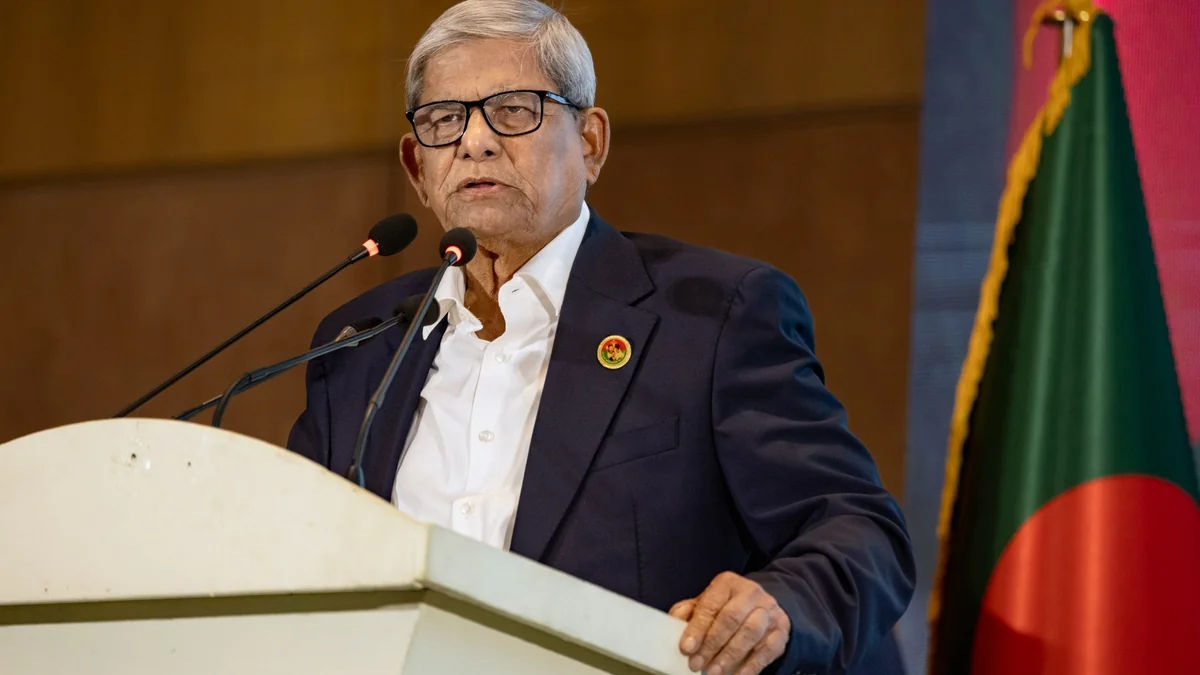
Historic Presidential Vote:
Bangladesh successfully conducted its presidential election on August 20, 2026, marking a significant milestone in the nation's political history. This event represents the first time in 35 years that the presidency has been determined through a contested vote. A total of 349 lawmakers participated in the parliamentary process, casting their ballots to select the incoming head of state. The election concludes a long period where presidential selections in the country were typically uncontested.
Political Significance:
The decision to hold a contested election reflects broader shifts within the democratic processes of Bangladesh. By allowing multiple candidates, the legislative body has moved away from the traditional model of singular appointments. This change is viewed by political observers as an attempt to introduce more transparency and competitive spirit into high-level government appointments. The transition process leading up to this vote involved significant parliamentary coordination and alignment among the various political factions currently represented in the legislature.
Future Regional Impact:
The outcome of this election is expected to influence the administrative stability and domestic policy direction of Bangladesh in the coming years. Regional analysts are watching closely to see how the new president engages with neighboring nations, including India, particularly on issues related to trade and regional security. The successful conclusion of this contested election may set a precedent for future political appointments within the country. Observers should monitor the official results and the subsequent inaugural proceedings to understand the administration's immediate legislative priorities.
Pulse Intelligence
Context & ImpactContext & Background
- Bangladesh has historically relied on uncontested presidential selections for the past three decades.
- The electoral process involves 349 parliamentary lawmakers casting votes to determine the executive head.
Key Consequences
- The election is expected to provide greater democratic legitimacy to the office of the presidency.
- Regional relations and domestic governance stability remain key areas to monitor following the official vote count.
Market & Economic Impact
The election outcome may influence investor confidence and trade relations with regional partners.
The Indus Pulse is committed to accuracy and transparency.