
August 10, 2026 at 01:13 AM 2 min readautodeveloping
Bajaj Auto Electric Vehicle Sales Surge To 33% Share In India
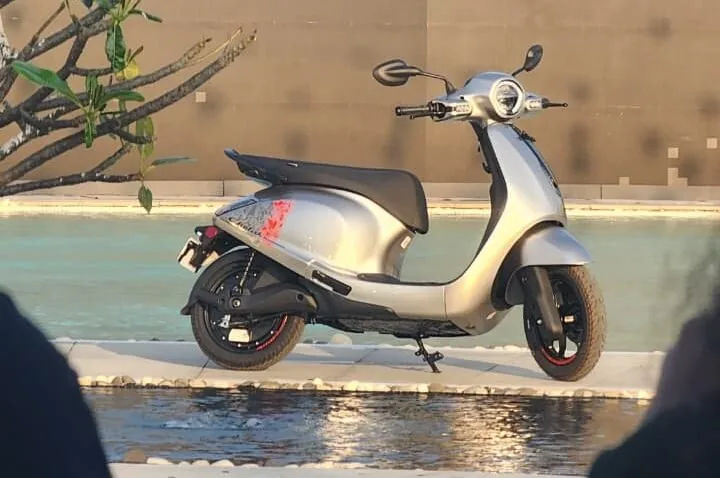
Electric Sales Milestone:
Bajaj Auto has achieved a major milestone in India's domestic market, with electric vehicles now accounting for one in every three vehicles sold by the brand. Managing Director Rajiv Bajaj confirmed this milestone ratio, demonstrating a rapid customer shift toward clean mobility solutions. This impressive growth is fueled by the popular Chetak electric scooter lineup and the expansion of electric three-wheeler commercial vehicles across urban and suburban India.
Strategic Growth And Infrastructure:
The surge in EV sales reflects Bajaj's aggressive retail expansion and a diversified product strategy. The company introduced more affordable variants of the Chetak scooter to compete with funded electric startups. At the same time, Bajaj capitalized on commercial transport electrification by offering green three-wheelers that help fleet operators lower daily operating costs amid rising fuel prices and government schemes like PM E-Drive.
Intensified Market Competition:
Bajaj Auto plans to double down on its manufacturing infrastructure and distribution networks to meet rising demand. This performance intensifies competition in India's electric two-wheeler market against rivals like Ola Electric, TVS Motor, and Ather Energy. Analysts expect this momentum to drive further investments in public charging infrastructure and local battery manufacturing setups across the nation.
Pulse Intelligence
Context & ImpactContext & Background
- Bajaj Auto re-entered the scooter market in 2020 by reviving its iconic Chetak brand as an all-electric model to compete in the emerging EV segment.
- The Indian government has actively promoted electric vehicle adoption through subsidies, low GST rates, and state-level incentives for buyers and manufacturers.
- The company recently expanded its electric three-wheeler lineup, targeting the massive commercial passenger and cargo segments in India.
Key Consequences
- Bajaj Auto is likely to allocate higher capital expenditure to double its electric vehicle production lines and secure battery cell supply chains.
- Competitors may slash prices or launch budget-friendly electric models to defend their market share against Bajaj's growing dominance.
- The high percentage of EV sales could prompt Bajaj to reallocate capital expenditure from internal combustion engines to electric powertrain research.
Market & Economic Impact
The strong EV sales share is expected to boost investor confidence in Bajaj Auto's long-term growth and support operating margins on the NSE.
The Indus Pulse is committed to accuracy and transparency.