
August 13, 2026 at 03:11 PM 2 min readautodeveloping
Carmakers Reportedly Flagged E20 Fuel Concerns Before Official Retreat
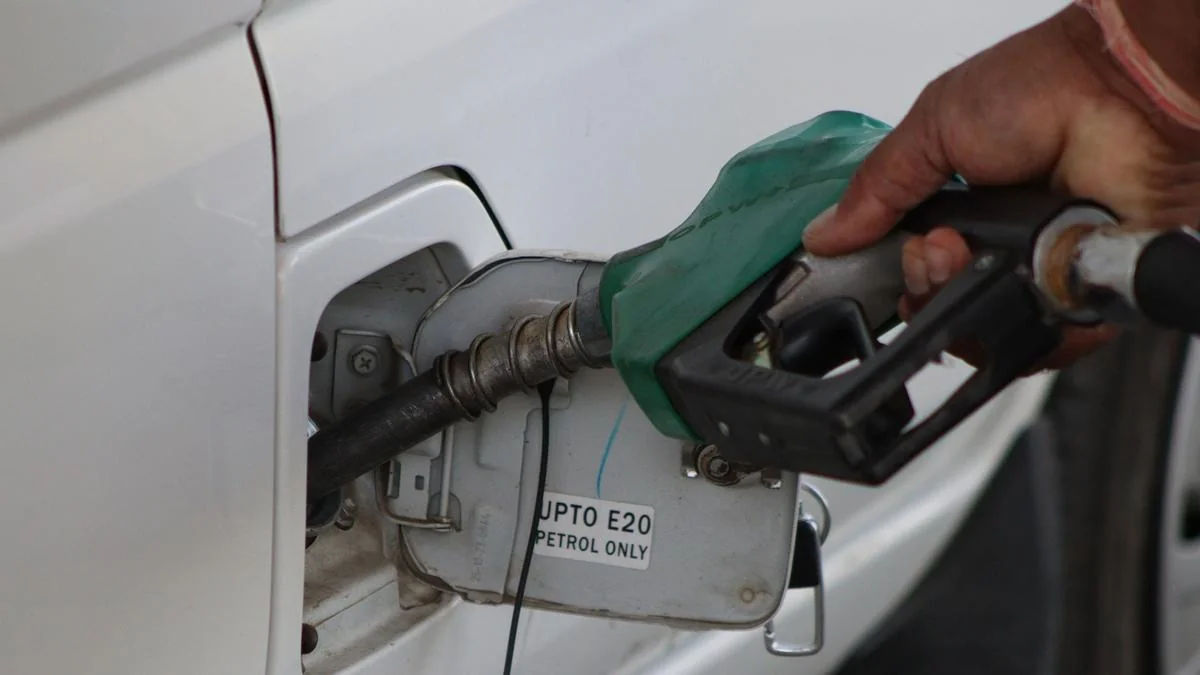
Internal Concerns Revealed:
Major Indian automakers including Maruti, Tata, and Mahindra privately communicated significant technical concerns to the government regarding the implementation of E20 fuel. These internal discussions, now surfacing in media reports, highlight worries about potential vehicle damage caused by specific fuel properties, such as excessive chloride levels. These warnings occurred before the manufacturers publicly retreated from their stated concerns, leading to claims that the industry's official stance may have been influenced by external pressures.
Fuel Quality Backstory:
The move toward E20, a fuel blend containing 20% ethanol, is a pillar of India's national energy security and emissions reduction strategy. However, the automotive sector has consistently warned that the deployment of this fuel must be accompanied by strict quality control standards to prevent engine degradation. The revelation of these private emails has reignited a debate regarding the transparency of the coordination between the automotive industry and regulatory bodies responsible for monitoring fuel quality.
Future Developments:
The Society of Indian Automobile Manufacturers (SIAM) has denied the allegations in recent statements, indicating it will conduct a fresh scientific study to examine the concerns. The incident highlights the complex friction between the government's ambitious decarbonization targets and the technical realities of the domestic manufacturing sector. Industry observers should watch for the results of the upcoming scientific audit, as it will determine whether current fuel production processes require further regulation or modification to ensure long-term vehicle safety and performance.
Pulse Intelligence
Context & ImpactContext & Background
- The Indian government has accelerated the roll-out of E20 fuel across the country to reduce dependency on imported crude oil.
- Automotive manufacturers have historically supported the transition to greener fuels but have requested infrastructure upgrades to maintain engine standards.
Key Consequences
- Stricter fuel quality testing protocols may be mandated by the government following the public outcry.
- Automakers may accelerate independent testing to ensure vehicle compatibility with varying ethanol concentrations in the market.
Market & Economic Impact
Concerns over fuel quality and engine durability could impact long-term maintenance costs for consumers, potentially affecting auto sector sentiment.
The Indus Pulse is committed to accuracy and transparency.