
July 23, 2026 at 06:00 AM 2 min readworlddeveloping
ASEAN Diplomats Meet in Manila Amid Shadows of Global Conflicts
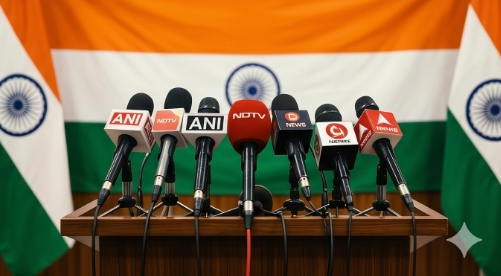
Manila Diplomatic Gathering:
Top diplomats from the U.S., China, Russia, and several other nations have arrived in Manila for the annual gathering of Southeast Asian Foreign Ministers. The meeting is taking place under the heavy shadow of the escalating U.S.-Iran conflict, which threatens to disrupt global trade routes. U.S. Senator Marco Rubio met with his Chinese counterpart to discuss managing bilateral differences ahead of President Xi Jinping’s scheduled visit to the United States. These talks are seen as critical for maintaining regional stability during a period of global volatility.
South China Sea Tensions:
A primary local agenda item remains the unresolved tensions in the South China Sea. ASEAN and China have spent nearly ten years attempting to conclude a code of conduct to prevent maritime disputes from escalating into military conflict. Recent friction in West Asia has intensified the urgency for these nations to secure their own regional waters against similar disruptions. The diplomats are under pressure to show progress on a legal framework that has remained stagnant for a decade despite frequent naval standoffs.
Relevance to India:
India closely monitors these developments as part of its 'Act East' policy and its strategic interests in a free and open Indo-Pacific. Stability in Southeast Asia is vital for India’s maritime trade, which passes through the same disputed waters being discussed in Manila. Any agreement or escalation between the U.S. and China at this summit will directly influence India’s diplomatic positioning in the region. New Delhi remains committed to a rules-based order that prevents any single power from dominating these critical trade corridors.
Pulse Intelligence
Context & ImpactContext & Background
- The ASEAN meeting is a key forum for 'Track 1' diplomacy where major powers discuss overlapping security interests in Asia.
- The South China Sea code of conduct has been under negotiation since 2002, with a formal framework only appearing in recent years.
Key Consequences
- A successful dialogue could temporarily lower temperatures between Washington and Beijing before the Xi-Trump summit.
- Failure to progress on the maritime code of conduct may lead to increased naval presence from non-ASEAN powers in the region.
Market & Economic Impact
No direct market impact, but regional stability is key for Indian companies operating in Southeast Asian markets.
The Indus Pulse is committed to accuracy and transparency.