
Tech Desk July 20, 2026 at 11:03 PM 2 min readtechanalysis
Upcoming Flagship Hardware Upgrades From Apple and Samsung Set New Standards
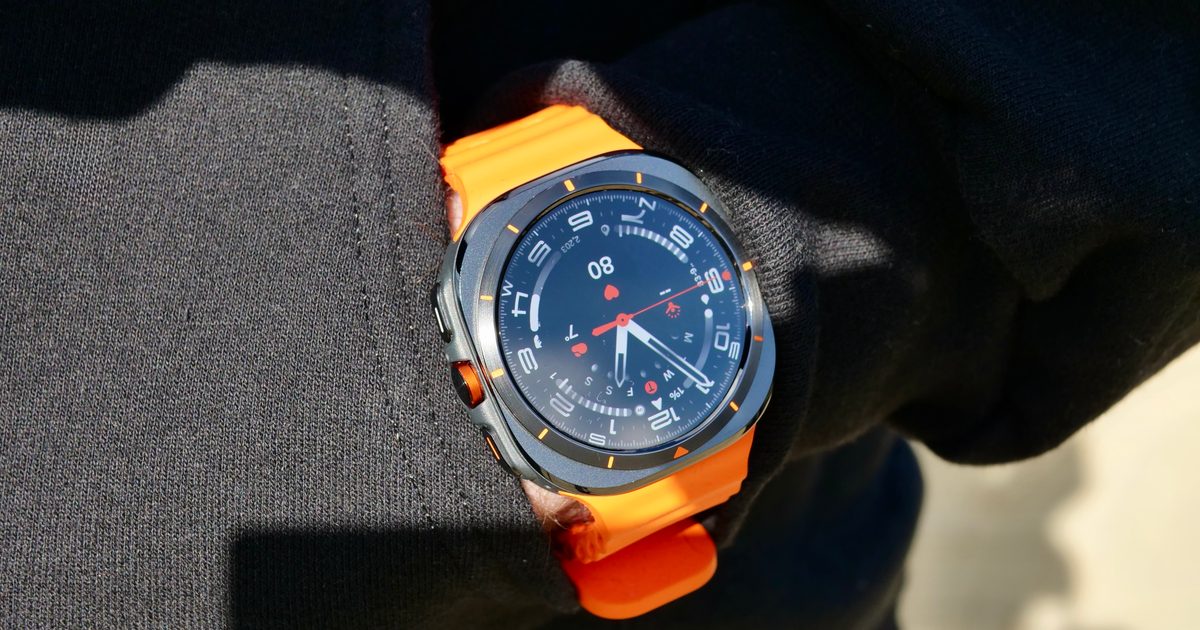
[Next-Generation Wearables]:
Leaked marketing images and industry reports have provided an early look at the upcoming Galaxy Watch Ultra 2. Samsung is set to introduce significant hardware improvements, including a more efficient display, extended battery capacity, and upgraded internal chipsets. These enhancements are designed to resolve common performance bottlenecks found in high-end wearables. By focusing on these core technical areas, Samsung aims to bolster its position in the premium smartwatch market and provide a more robust platform for AI-driven health and activity tracking metrics.
[Smartphone Innovations]:
In the smartphone space, excitement is building around rumors for the upcoming iPhone 18 Pro. Insiders suggest the device will feature a high-performance A20 Pro chipset, substantial camera technology improvements, and a new color scheme. These developments represent a broader push by Apple to increase deep integration between its proprietary silicon and mobile photography capabilities. Such hardware evolution is critical for maintaining flagship status in a competitive global market, as both Apple and Samsung continue to drive aggressive yearly upgrade cycles for their premium product lines.
[Market Rivalry]:
The race for dominance in the premium tech segment remains fierce, particularly in the Indian market, where demand for advanced electronics is rising. Indian consumers are increasingly interested in high-performance features that facilitate multitasking and mobile-centric artificial intelligence. Analysts suggest that these hardware improvements set a new baseline for industry benchmarks, likely pressuring competitors to accelerate their own R&D. While these upgrades promise better productivity and utility, the industry is now waiting to see how these advancements will impact final retail pricing for consumers.
Pulse Intelligence
Context & ImpactContext & Background
- Samsung is working to differentiate its Ultra wearable series with more durable hardware and specialized health features.
- Smartphone manufacturers have moved toward aggressive annual updates for chips and batteries to stay ahead in the premium tier.
- Wearables have evolved into high-performance accessories requiring better visual fidelity and power efficiency to compete with luxury watch markets.
Key Consequences
- The introduction of more powerful processors will likely establish a new performance benchmark for mobile devices and smartwatches.
- Competitors may be forced to accelerate their development cycles to keep pace with these hardware-driven improvements.
- Flagship devices may see price increases as manufacturers look to justify the costs of significant, tangible hardware innovations.
Market & Economic Impact
Continued innovation in premium segments sustains strong consumer spending in the Indian mobile and wearable tech market.