
Tech Desk July 21, 2026 at 04:37 PM 2 min readtechdeveloping
Apple Faces Illinois BIPA Lawsuit Over Face ID Privacy Concerns
Class Action Litigation:
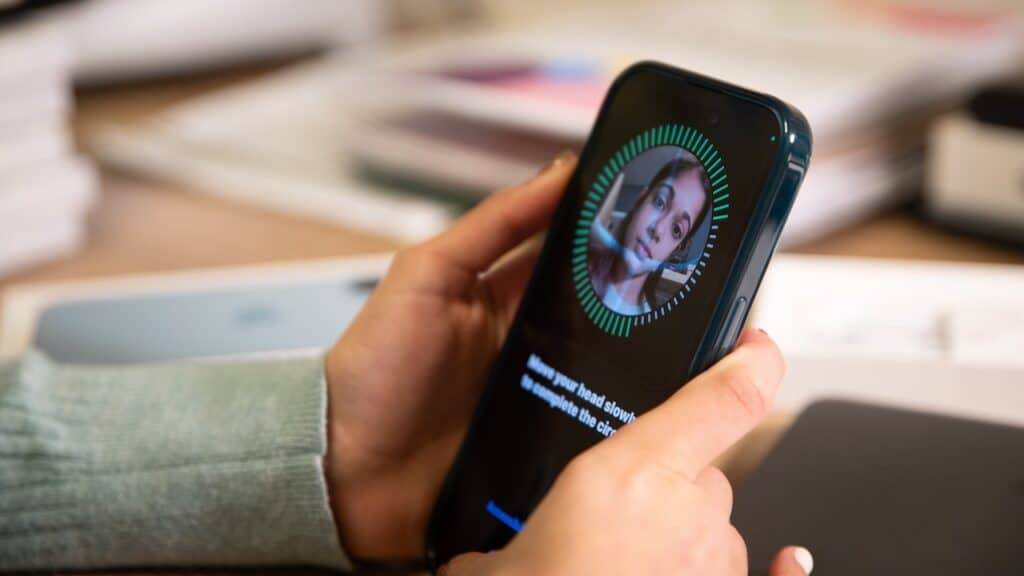
Apple is currently facing a class action lawsuit in an Illinois federal court regarding its Face ID and related attention-tracking features. The plaintiff, Samantha Mettler, alleges that the technology unlawfully collects biometric information, specifically iris and retinal scans, without obtaining the express written consent of users. The suit claims these practices violate the Illinois Biometric Information Privacy Act (BIPA), a law designed to regulate the collection, storage, and use of biometric data by corporations.
Biometric Data Controversy:
At the center of the dispute is whether Apple's implementation of Face ID constitutes the unauthorized collection of sensitive biometric data. The plaintiff contends that Apple fails to properly disclose the scope of its biometric data collection to users, thereby denying them the ability to make informed decisions regarding their privacy. This litigation is part of an ongoing series of privacy-related legal challenges facing major tech firms as state-level biometric privacy laws become increasingly instrumental in holding corporations accountable for their data handling practices.
Significance of BIPA Claims:
BIPA cases often carry substantial financial risks for tech companies due to the potential for class-wide damages. If the court certifies the class, Apple could be held liable for all affected Illinois residents who utilized Face ID or attention-aware features. For the Indian audience, this case serves as a critical marker of how global tech standards are being reshaped by stringent regional privacy legislations. As India strengthens its own data protection framework, legal developments regarding biometric data control are becoming highly relevant to local users concerned about the privacy of their personal identity markers.
Pulse Intelligence
Context & ImpactContext & Background
- The Illinois Biometric Information Privacy Act (BIPA) is one of the strictest privacy laws in the United States, frequently used in tech litigation.
- Apple has previously maintained that Face ID data is stored locally on the device's Secure Enclave, claiming it is not accessible by the company.
Key Consequences
- A successful class certification would significantly increase Apple's legal exposure in Illinois and potentially set a precedent for other states.
- Apple may be forced to update its privacy disclosure processes if the court finds current warnings inadequate under BIPA.
Market & Economic Impact
No direct market impact.