
August 7, 2026 at 04:19 AM 2 min readindiadeveloping
Amit Shah Assures Christian Bodies on Religion-Neutral FCRA Bill
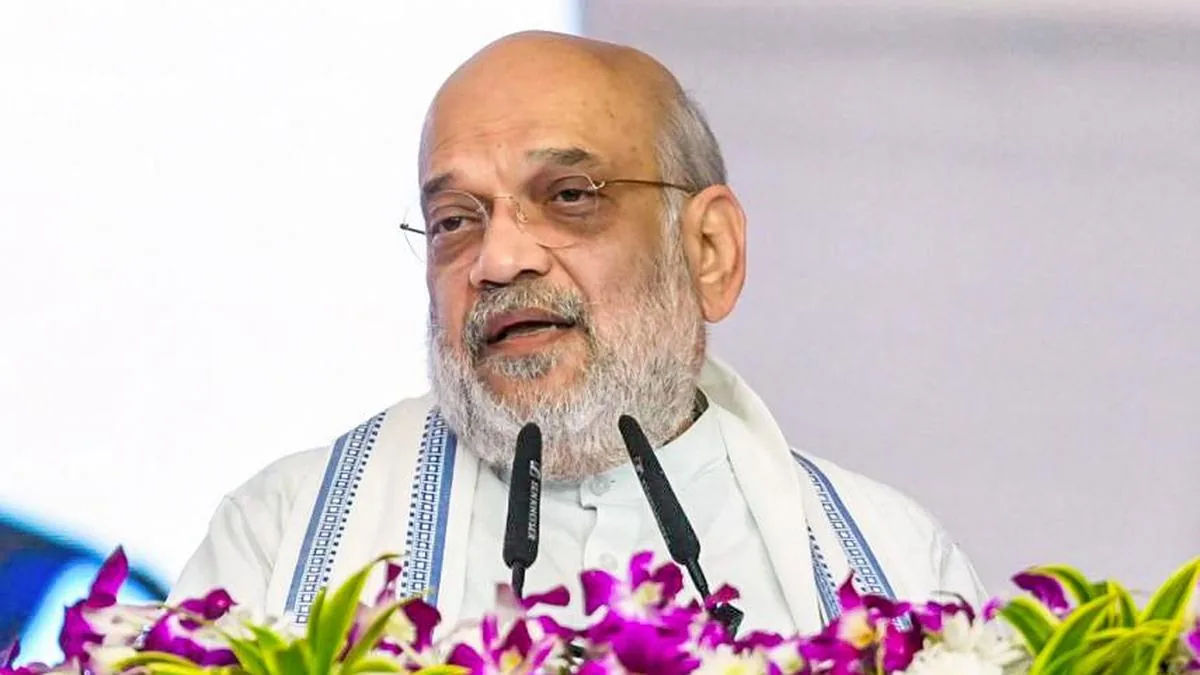
FCRA Neutrality Assurances:
Union Home Minister Amit Shah met with several Christian delegations to address concerns surrounding the proposed Foreign Contribution (Regulation) Act (FCRA) Amendment Bill. During the discussions, Shah explicitly stated that the legislation is designed to be religion-neutral and aims only to streamline the monitoring of foreign funds entering India. He assured the leaders that the government does not intend to target any specific minority community. The meeting was prompted by widespread anxieties within the Christian community regarding potential restrictions on institutional funding and charitable activities.
Opposition and Regional Concerns:
While the Centre maintains a stance of regulatory transparency, the Opposition has intensified its criticism, alleging that the bill specifically targets minority-run institutions. Mizoram's Chief Minister also met with Shah, reporting that the bill would be formally debated in Parliament on August 12. Crucially, the Chief Minister noted that the government has promised there will be no retrospective effect of the new rules, which had been a major point of contention for organizations already managing existing foreign grants. However, some Christian leaders continue to demand either a complete withdrawal or a Joint Parliamentary Committee (JPC) scrutiny.
International and National Impact:
The developments have caught international attention, with US Congressman Riley Moore voicing concerns that the amendments could potentially strain India-US diplomatic ties if religious freedom is perceived as restricted. For India, the outcome of the August 12 debate will determine the future operational landscape for thousands of NGOs and religious trusts. The government insists the move is essential for national security to prevent the misuse of foreign capital. Conversely, stakeholders argue that excessive bureaucratic hurdles could stifle legitimate social welfare programs and education initiatives across the country.
Pulse Intelligence
Context & ImpactContext & Background
- The FCRA was originally enacted in 1976 and heavily amended in 2010 and 2020 to tighten oversight on foreign funding for NGOs.
- In recent years, several high-profile international and domestic NGOs have faced license cancellations due to alleged financial irregularities.
Key Consequences
- A formal debate in Parliament on August 12 will likely determine the final shape of the amendments.
- The promise of 'no retrospective effect' may prevent a sudden freeze on current NGO projects across India.
Market & Economic Impact
No direct market impact, though tighter NGO regulations can affect the social enterprise and non-profit funding sectors.
The Indus Pulse is committed to accuracy and transparency.