
August 9, 2026 at 01:35 PM 2 min readindiabreaking
Air India Pilot Grounded After Failing Mandatory Psychoactive Substance Test
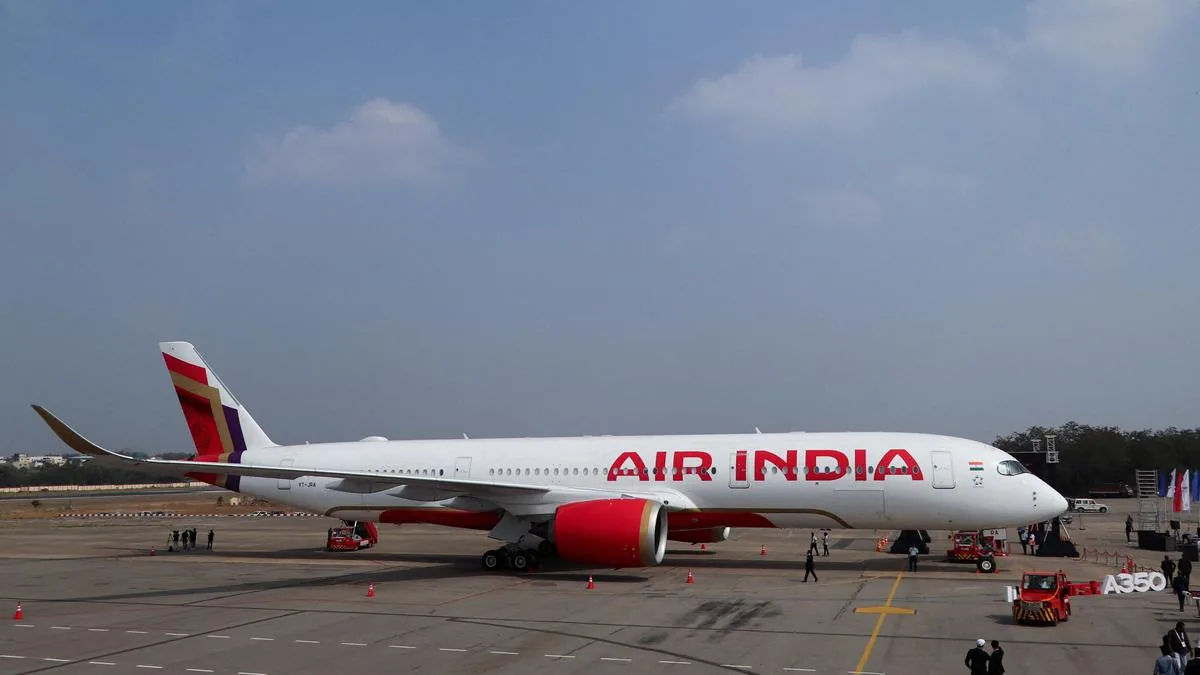
Operational Safety Violation:
An Air India pilot has been formally grounded following a non-negative result in a mandatory psychoactive substance test, which was administered after a serious in-flight altitude loss incident. Aviation authorities conducted the screening as part of standard investigative protocols following the cockpit irregularity. The pilot, whose identity remains protected during the ongoing probe, faces immediate removal from flight duties while regulatory bodies review the circumstances surrounding the sudden change in aircraft flight path. This development marks a critical juncture in the airline’s internal safety review processes.
Regulatory Investigation Framework:
The decision to ground the captain follows rigorous adherence to the Directorate General of Civil Aviation (DGCA) guidelines regarding flight crew fitness and health. Investigations into the altitude deviation incident are currently being spearheaded by the Aircraft Accident Investigation Bureau (AAIB) to determine if physiological or substance-related factors contributed to the pilot's performance. The industry-standard screening procedure is designed to ensure strict compliance with international aviation safety norms, aiming to mitigate human-factor risks in the cockpit. Authorities are scrutinizing communication logs and flight data recorders to reconstruct the specific timeframe of the altitude dip.
Safety Implications and Future Oversight:
This incident raises broader concerns regarding aviation crew welfare and the effectiveness of current drug screening programs at Indian carriers. The DGCA is expected to intensify its oversight of random and incident-based medical testing for all commercial pilots as a direct response to this finding. Passengers and stakeholders await the final AAIB report, which will likely dictate stricter implementation of psychoactive substance regulations across domestic flight operations. The carrier's commitment to maintaining stringent safety standards will now be evaluated against the findings of this intensive medical and operational inquiry.
Pulse Intelligence
Context & ImpactContext & Background
- The DGCA implemented mandatory psychoactive substance testing for flight crew and air traffic controllers to ensure operational safety.
- Airlines in India are required to conduct medical assessments following any major in-flight deviations or cockpit-related safety incidents.
Key Consequences
- The pilot faces potential permanent license revocation if confirmatory laboratory tests validate the initial non-negative result.
- Air India will likely undergo an intensive safety audit of its cockpit training and wellness monitoring programs by regulatory authorities.
- Heightened drug screening protocols may be implemented across all Indian commercial airlines to prevent similar safety breaches.
Market & Economic Impact
The incident may cause slight negative sentiment for Tata Group-owned Air India, though broader Nifty Aviation indices remain largely unaffected by single-pilot incidents.
The Indus Pulse is committed to accuracy and transparency.