
August 17, 2026 at 11:08 AM 2 min readaianalysis
AI Wildlife Visuals Spark Alarms Over Animal Exploitation
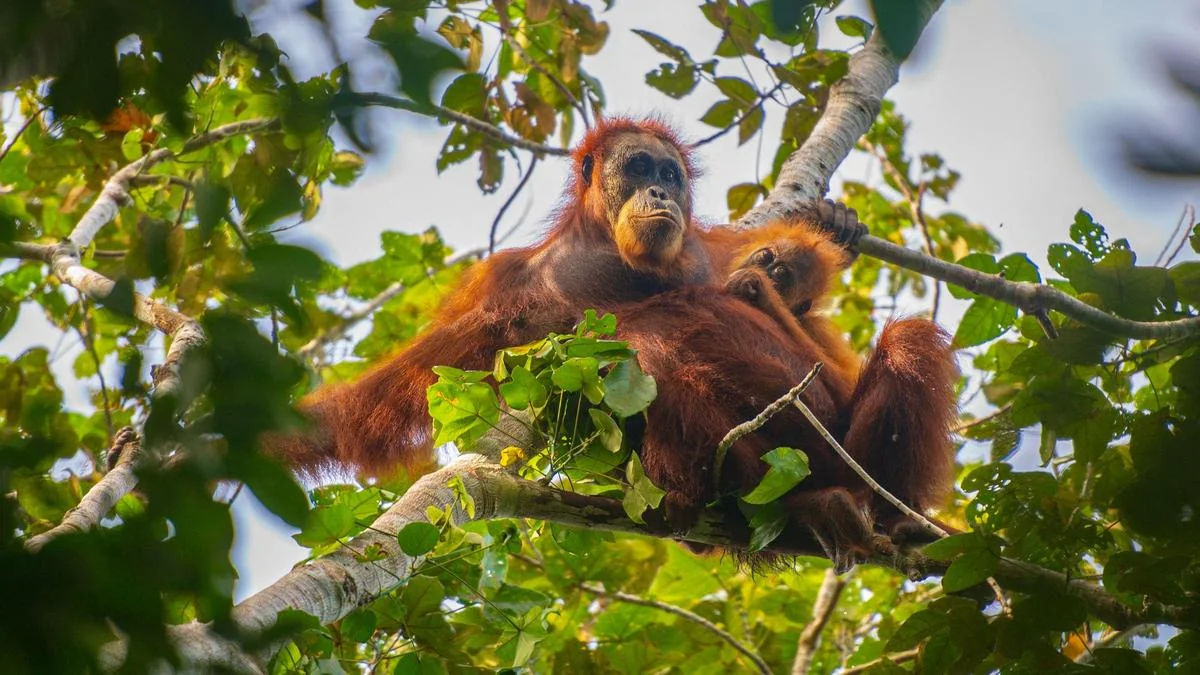
Wildlife Misrepresentation Risks:
Conservationists are raising urgent concerns over the proliferation of AI-generated images that portray wild animals in domestic or "cute" settings. These synthetic visuals often show tigers, bears, or primates interacting with humans in ways that are physically impossible or dangerous in reality. Experts argue that these images desensitize the public to the wild nature of these creatures. This digital trend makes it increasingly difficult for social media users to distinguish between genuine wildlife photography and computer-generated fabrications.
Impact on Conservation Efforts:
The rise of hyper-realistic AI visuals is complicating the work of global and Indian conservation agencies. When users engage with "cuddly" depictions of apex predators, it fuels a demand for exotic pets and illegal wildlife trade. It also creates unrealistic expectations for tourists visiting national parks like Ranthambore or Kaziranga. People may attempt to get closer to wild animals for photographs, leading to a rise in human-animal conflict. The dilution of reality undermines scientific efforts to document actual species behavior and habitat loss.
Next Steps for Social Media Platforms:
Organizations are calling for stricter labeling requirements for AI-generated content on platforms like Instagram and Facebook. They advocate for clear digital watermarks that identify synthetic media to prevent public deception. In India, where wildlife tourism is a significant economic driver, misinformation could directly affect forest management policies and visitor safety. Conservationists emphasize that digital literacy must now include the ability to vet wildlife content. Failure to address this could lead to increased physical harm for both humans and endangered species.
Pulse Intelligence
Context & ImpactContext & Background
- The rapid advancement of generative AI tools in 2024 and 2025 led to a surge in hyper-realistic synthetic imagery.
- Global wildlife organizations previously flagged social media 'selfie' trends as a major driver of animal distress in tourist hotspots.
Key Consequences
- Social media platforms may face new regulatory pressure to mandate AI disclosure labels for environmental content.
- Physical safety incidents in national parks could rise if tourists attempt to mimic AI-generated human-animal interactions.
Market & Economic Impact
No direct market impact.
The Indus Pulse is committed to accuracy and transparency.