
21 Aug 2026, 07:26 AM 2 min readaianalysis
AI Hardware Market Dynamics: Nvidia, Intel, and Lenovo Challenges
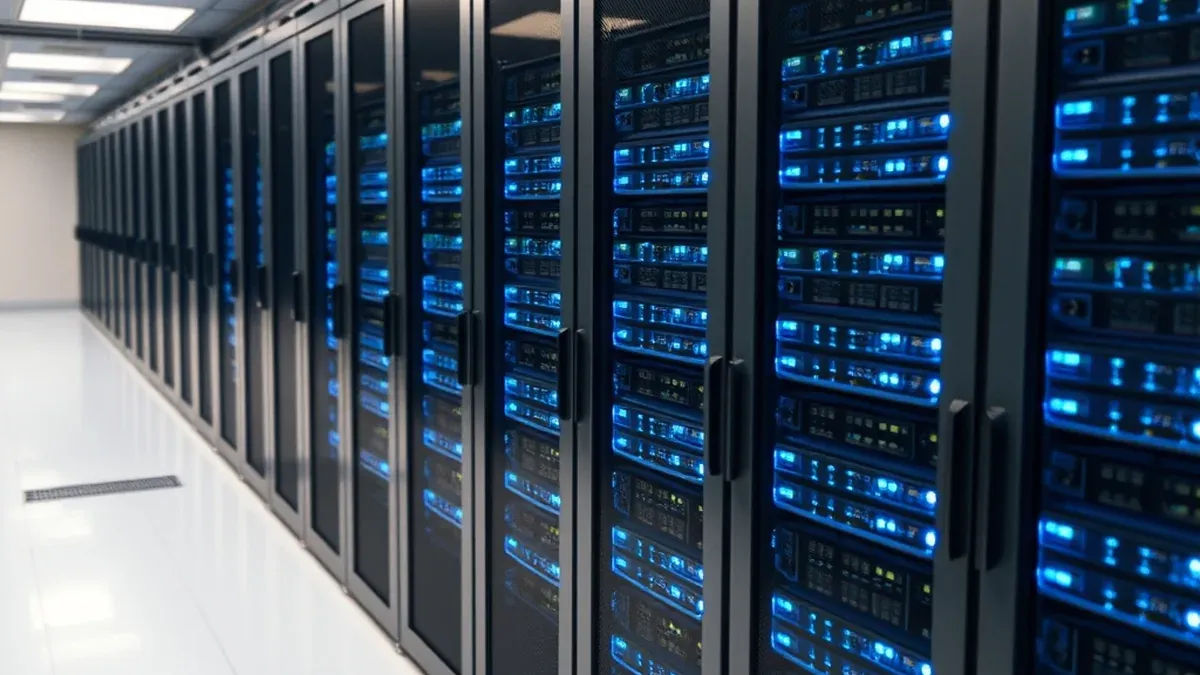
AI Infrastructure Competition:
The global technology sector faces a dramatic divergence as companies navigate the rapid expansion of AI-driven demand. While Nvidia maintains its dominant position in AI chip architecture, other hardware manufacturers like Intel are working to maintain relevance amid significant financial headwinds. Lenovo continues to navigate the evolving server market, focusing on integrating advanced AI capabilities despite broader market pressures affecting global hardware supply chains.
Market Realities and Challenges:
The concentration of AI investment around specialized processing units has created a tiered market landscape. Nvidia's growth reflects the critical need for accelerated computing power, whereas traditional chipmakers and hardware vendors like Intel face high R&D costs and manufacturing challenges. These firms are increasingly focusing on scaling AI hardware solutions to stay competitive against specialized startups and incumbent leaders, struggling to bridge the gap between legacy operations and the surging demand for AI-specific processing.
Future Market Outlook:
Industry experts anticipate that the next phase of AI development will shift from generic GPU dominance to specialized hardware tailored for edge computing and local inference. For India, this evolution is significant as the country ramps up domestic data center capacity and looks to leverage high-performance hardware for local AI application development. The success of these legacy hardware giants depends on their ability to pivot operations toward software-integrated hardware ecosystems before market competitors secure long-term client loyalty.
Pulse Intelligence
Context & ImpactContext & Background
- Nvidia has seen unprecedented valuation growth driven by massive global demand for AI-focused data center processors.
- Intel and Lenovo have faced intense pressure to adapt their hardware roadmaps to the rapid shift toward accelerated AI workloads.
Key Consequences
- Hardware vendors will likely continue consolidating R&D efforts to compete with Nvidia's market dominance.
- Indian enterprise adoption of AI will hinge on the availability of affordable, specialized edge-computing hardware.
- Investors may remain cautious about traditional chipmakers until they demonstrate consistent revenue growth from AI-specific products.
Market & Economic Impact
Hardware manufacturers are likely to see volatility in stock prices as investors weigh AI-driven revenue against legacy operational costs.
The Indus Pulse is committed to accuracy and transparency.