
August 13, 2026 at 01:52 AM 2 min readtechanalysis
AI Food Photos on Swiggy and Zomato Becoming Harder to Detect
Platform Image Policies:
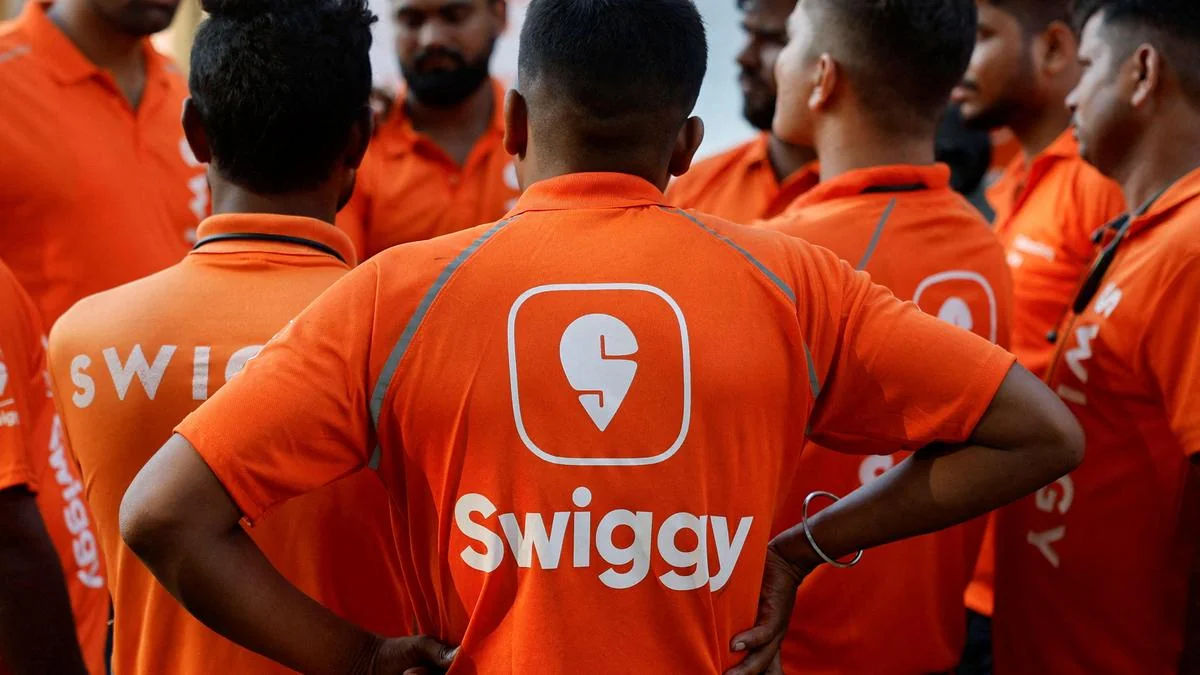
Food delivery platforms Swiggy and Zomato maintain distinct approaches toward the use of artificial intelligence for food imagery. While Swiggy allows limited use of AI-generated images, competitor Zomato enforces a much stricter policy regarding visual representation. Despite these rules, consumers and platform monitors continue to encounter food photographs that look unnatural yet remain difficult to spot.
Visual Authenticity Challenges:
The rise of sophisticated generative tools has made digital imagery increasingly convincing across food delivery ecosystems. Merchants often utilize digital enhancement tools to make menu items appear more appealing to prospective buyers browsing the applications. However, discrepancies between generated images and actual delivered meals frequently trigger customer dissatisfaction and regulatory scrutiny.
Industry Quality Controls:
Delivery marketplaces now face mounting pressure to implement advanced verification tools to screen restaurant menus. Enhanced detection systems will likely become standard across Indian food delivery apps to protect consumer trust. Industry analysts expect stricter enforcement of visual authenticity guidelines to prevent misleading marketing practices on digital storefronts.
Pulse Intelligence
Context & ImpactContext & Background
- Food delivery platforms in India have experienced rapid growth in digital menu listings over recent years.
- Restaurants frequently experiment with digital enhancement tools to boost order conversion rates.
Key Consequences
- Delivery platforms may introduce stricter image verification algorithms to penalize misleading listings.
- Consumers can expect more transparent visual guidelines across major food ordering applications.
Market & Economic Impact
No direct market impact.
The Indus Pulse is committed to accuracy and transparency.