
August 16, 2026 at 06:16 AM 2 min readaideveloping
AI-Designed Viral Agents Trigger Urgent Global Biosecurity and Regulatory Debates
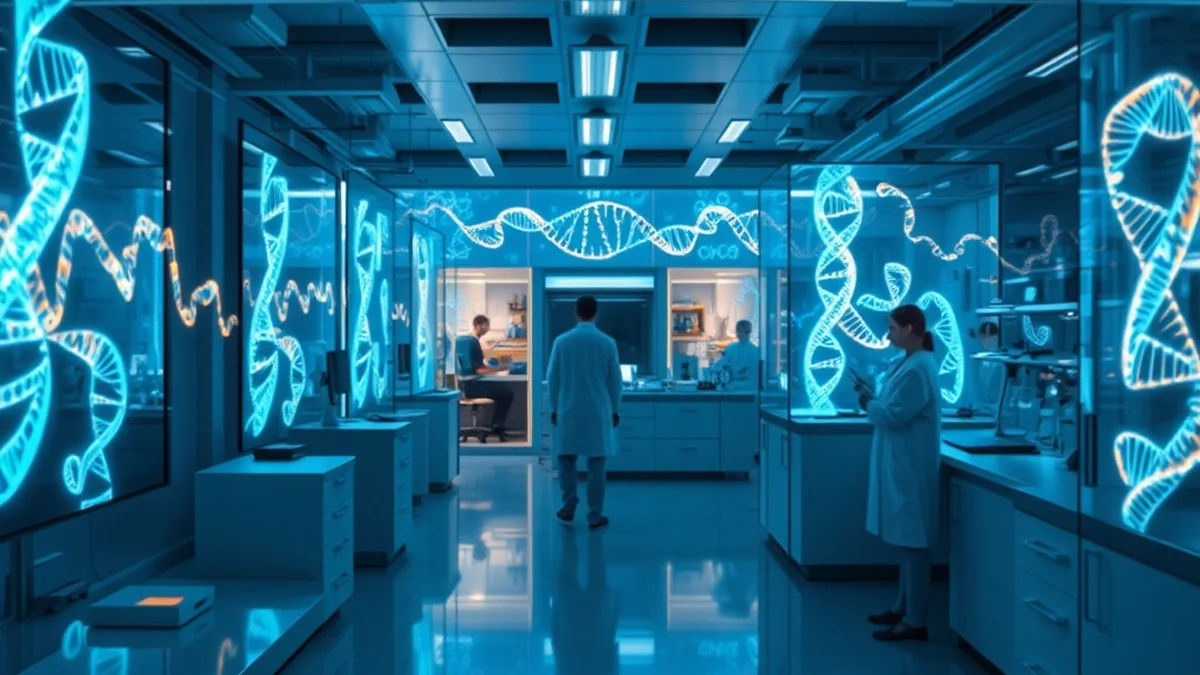
Breakthroughs in AI Biology:
Recent advancements in machine learning have enabled artificial intelligence models to design functional viruses, accelerating biological research while highlighting major safety risks. Researchers use these complex algorithms to map evolutionary defenses against harmful bacteria and explore novel viral structures. While this innovation offers new potential for antimicrobial defense and synthetic biology, it also raises critical concerns about the autonomous creation of biological threats.
Regulatory and Safety Concerns:
The ability of advanced algorithms to construct novel viral agents currently outpaces existing global regulatory frameworks. Scientific communities and international policymakers are debating the ethics of dual-use research, where benevolent tools could potentially be misused in laboratories. There is a growing demand for strict oversight, with experts specifically calling for rigorous screening protocols for DNA synthesis providers to manage the emerging biosecurity risks linked to AI-driven pathogen design.
Future Path and Governance:
International bodies are moving toward stricter governance to ensure security as artificial intelligence continues to intersect with synthetic biology. Upcoming policies will likely mandate increased scrutiny of open-source genetic design algorithms and publication standards for research on functional pathogens. Ensuring robust security measures is now a global priority to prevent the misuse of these powerful computational tools in biological laboratories worldwide.
Pulse Intelligence
Context & ImpactContext & Background
- Generative AI tools have evolved rapidly from text and image generation into specialized domains like protein folding and genetic research.
- Synthetic biology researchers have long engaged in a debate regarding the dual-use nature of advanced pathogen engineering technologies.
- Governments are currently drafting regulatory frameworks to govern the intersection of machine learning models and sensitive biological research.
Key Consequences
- Governments will likely implement new biosecurity laws targeting the use of AI in biological and genetic sequence research.
- Scientific publishers and tech firms will face intensified pressure to increase scrutiny on open-source genetic design algorithms.
- International regulatory bodies will introduce mandatory screening protocols for commercial DNA synthesis providers.
Market & Economic Impact
No direct market impact.
The Indus Pulse is committed to accuracy and transparency.