
August 8, 2026 at 01:50 AM 2 min readaianalysis
Scientists Warn of Biosecurity Risks as AI Designs 16 New Synthetic Viruses
AI's Biological Breakthrough:
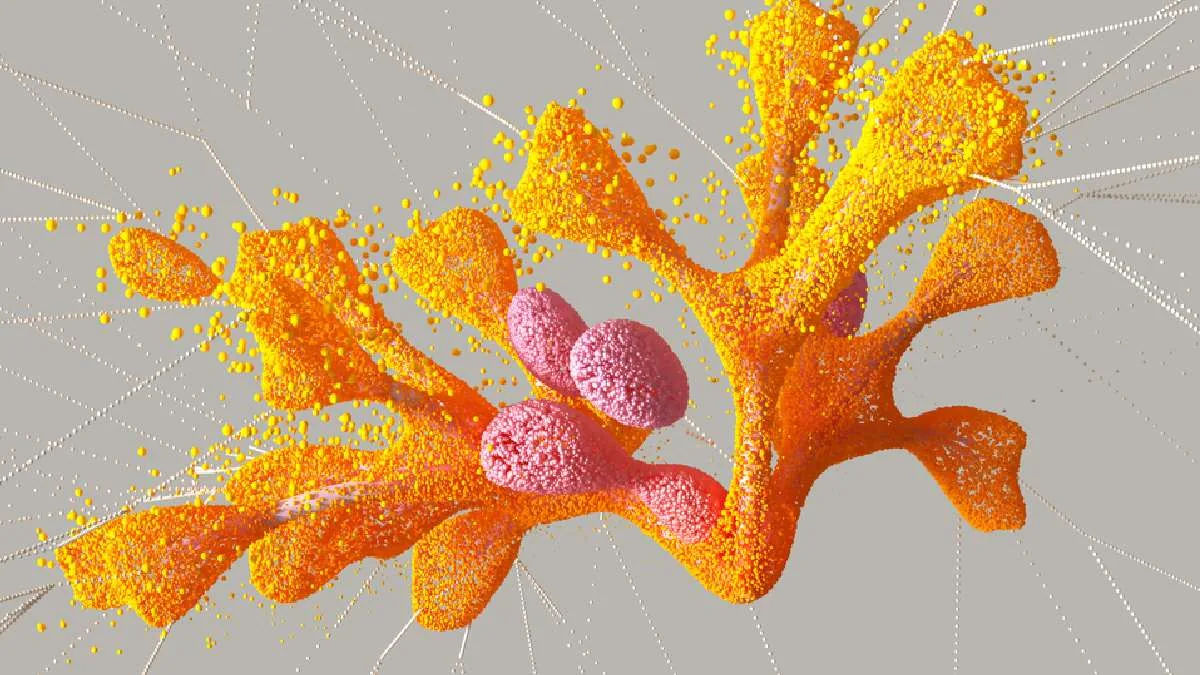
Researchers have successfully used artificial intelligence to design 16 entirely new synthetic viruses, known as bacteriophages, which do not exist in nature. These viruses are designed to infect and kill specific bacteria, demonstrating the immense potential of AI in synthetic biology and medicine. The study, conducted by the AI firm Profluent, shows that large language models (LLMs) can be trained on biological data to 'write' new genetic sequences. While these specific viruses are harmless to humans, the ability to generate viable biological entities from scratch marks a historic milestone in computational biology.
Biosecurity and Ethical Concerns:
The development has sparked an immediate and urgent debate among biosecurity experts and ethicists. The primary concern is that the same underlying technology could theoretically be used to design or enhance dangerous human pathogens if proper guardrails are not established. Experts warn that as AI models become more accessible, the barrier to entry for creating biological threats is lowering. The scientific community is now calling for international standards to monitor the use of AI in genetic engineering and to ensure that models are 'safety-tuned' to reject requests for harmful biological sequences.
Global and Indian Context:
For India, this development is a double-edged sword. As a global hub for pharmaceutical manufacturing and biotechnology, India stands to benefit significantly from AI-driven drug discovery and phage therapy, which could help combat growing antibiotic resistance. However, the lack of robust global biosecurity norms for AI poses a risk to national security. India will likely need to update its biosafety guidelines to include specific provisions for AI-generated genetic material. The focus will now shift to how international bodies like the WHO and global tech regulators coordinate to prevent the misuse of these powerful scientific tools.
Pulse Intelligence
Context & ImpactContext & Background
- Bacteriophages are viruses that specifically target bacteria and have been studied for decades as a potential alternative to antibiotics.
- The use of generative AI in biology has accelerated since 2023, following the success of protein-folding models like AlphaFold.
Key Consequences
- International regulatory bodies will likely fast-track the creation of 'biological guardrails' for all major AI development firms.
- The success of this study will lead to a surge in investment for AI-driven treatments for drug-resistant bacterial infections.
Market & Economic Impact
Biotech companies specializing in AI-driven drug discovery may see increased investor interest, though tighter regulations could slow down long-term research cycles.
The Indus Pulse is committed to accuracy and transparency.