
Ai Desk July 21, 2026 at 12:37 PM 2 min readaianalysis
AI Architectures Evolve With Mixture-Of-Experts Models
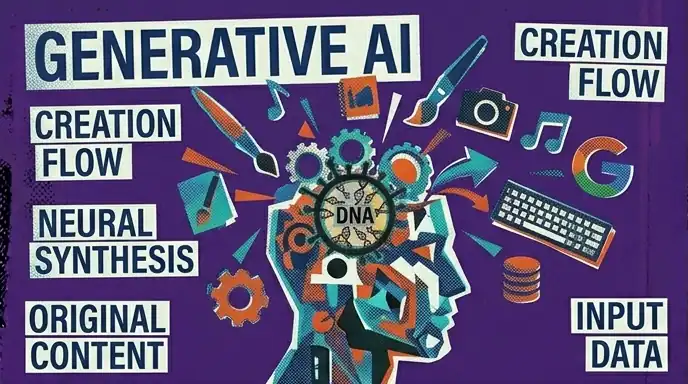
Selective Neural Network Activation:
Contemporary AI models like GPT-4 are shifting toward mixture-of-experts (MoE) architectures to enhance efficiency. By activating only specialized portions of a vast neural network for specific tasks, these systems mirror the brain’s selective recruitment of distinct regions. This design evolution marks a departure from dense models, allowing for larger, more capable AI systems that remain computationally feasible during inference.
Bridging Software Connectivity Gaps:
Beyond core architectures, the AI industry is prioritizing infrastructure improvements to ensure seamless integration with everyday digital services. The Model Context Protocol represents a behind-the-scenes effort to standardize how AI assistants connect to the applications that users rely on. These updates often remain invisible to the average consumer, yet they are crucial for transforming AI tools into functional, interconnected agents capable of executing complex multi-step tasks across different software platforms.
Future Directions In AI Development:
Research into brain-inspired designs and standardized communication protocols suggests that the next phase of AI will be defined by integration rather than raw scale. For the Indian developer and enterprise ecosystem, these shifts indicate a move toward more agile, cost-effective AI deployments. As these protocols mature, Indian businesses utilizing global AI APIs will likely benefit from increased accuracy and faster execution, as AI assistants become better at navigating diverse enterprise software environments without requiring significant hardware overhauls.
Pulse Intelligence
Context & ImpactContext & Background
- Dense language models previously processed every parameter for every query, leading to significant latency and power consumption at scale.
- The shift toward modular AI design has enabled companies to sustain rapid performance growth while managing the substantial costs of cloud inference.
Key Consequences
- Enterprise AI adoption is expected to accelerate as specialized architectures lower the cost of deploying sophisticated agentic workflows.
- Standardized protocols will reduce integration friction for Indian tech companies building applications on top of global large language models.
Market & Economic Impact
Improved efficiency in AI models reduces operational expenditure for Indian cloud-reliant startups and tech-heavy enterprises.