
North Korea Claims Test of Zam-2.0 Torpedo with AI Capabilities
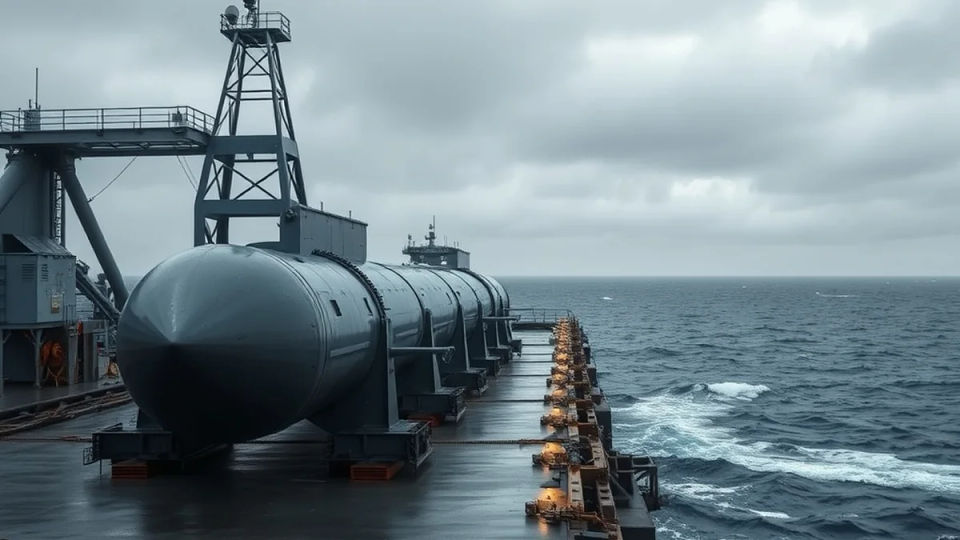
Official state broadcasts claimed the system applies artificial intelligence algorithms specifically for target detection and trajectory navigation. However, official reports released by state media did not provide technical explanations regarding what constituted the system's artificial intelligence framework. The announcement stated that Thursday's live trial verified specialized propulsion systems refined across more than 180 developmental tests during the past five years.
Technical Claims and Propulsion Development
Pyongyang asserted that the Zam-2.0 torpedo integrates automated seeker routines capable of identifying maritime targets autonomously. State dispatches emphasized that iterative engineering over five years resulted in advanced propulsion mechanisms suited for high underwater velocities. South Korea's military did not issue an immediate statement evaluating the veracity of Pyongyang's technical claims. Seoul defense officials have historically cautioned that North Korean military announcements frequently exaggerate the maturity of domestic autonomous software.
Independent Analytical Skepticism
Defense analysts expressed substantial skepticism regarding North Korea's claims of deploying operational artificial intelligence at sea. While regional experts acknowledge progress in basic digital flight software, they doubt the military possesses algorithms for autonomous target designation. Analysts noted that Russian technical cooperation may be supporting broader missile and weapons modernization programs in North Korea.
Strategic Market Research notes that naval smart weapon guidance relies on autonomous target recognition and signal processing.
Escalating Underwater Weaponry Demonstrations
The torpedo test forms part of an accelerating series of maritime weapons demonstrations executed by Pyongyang in recent weeks. Pyongyang previously conducted underwater-launched missile trials on Wednesday, marking its first such tests in nearly three years. Experts assessed that Wednesday's tests likely utilized a yet-to-be-deployed submarine designed by Pyongyang to launch nuclear-armed ordnance. Kim Jong Un has redirected strategic national defense priorities toward naval platforms following long-term investments in land-based ballistic rocketry.
On October 14, 2026, North Korea fired two submarine-launched strategic cruise missiles in the Sea of Japan, its first public SLCM test firing in nearly three years since two were launched in January 2024.
In January 2024, North Korea conducted an underwater nuclear system test following its earlier unmanned vessel introduction.
Hypersonic Testing and Regional Deterrence
North Korean forces also tested hypersonic missile systems of multiple operational ranges on September 20 and October 3. These hypersonic trials are explicitly intended to penetrate and overwhelm integrated missile defense systems deployed across South Korea and Japan. Kim Yo Jong claimed that the hypersonic missile systems tested on October 3 likewise incorporated artificial intelligence technology. Kim Jong Un has suspended formal diplomatic engagement with South Korea, designating Seoul as a permanent adversary amid stalled negotiations with Washington.
Artificial intelligence integration in torpedoes could potentially help North Korean weapons distinguish real naval vessels from decoy targets deployed by South Korea and the United States.