
Google Expands SynthID Detector to Identify Media From OpenAI, NVIDIA and Kakao
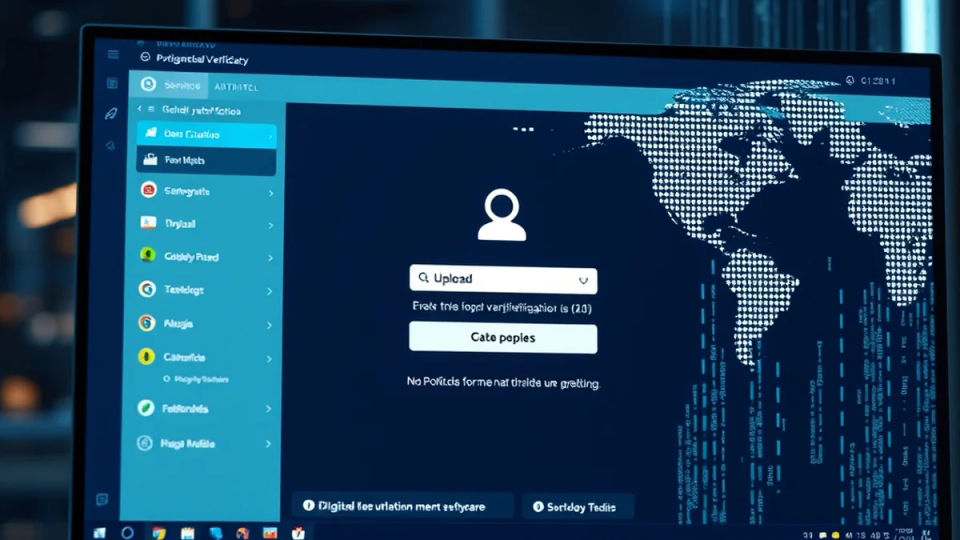
Google has significantly expanded the scope of its SynthID watermarking technology by updating the SynthID Detector tool to recognize media generated by models from other major technology companies. The verification software now processes images, videos, and audio files originating from OpenAI, NVIDIA, and Kakao, moving beyond Google's proprietary ecosystem.
Originally launched in 2023, SynthID embeds invisible digital watermarks directly into AI-generated files. According to data provided by Google, the infrastructure has processed more than 180 billion images and videos alongside 240,000 years of audio content since its introduction.
Cross-Platform Verification Mechanics
The updated detection platform is hosted at synthid.com, where users can authenticate sessions using existing Google, Apple, or ChatGPT credentials. Once logged in, operators upload individual media files for automated inspection. The utility evaluates the uploaded file and reports whether a verifiable watermark is present, explicitly flagging content designated as machine-generated or manipulated.
Industry adoption is slated to broaden further as platform integration continues. Google stated that support for AI-generated media created using Apple tools will be introduced to the detector in the near future.
Operational Limitations and Scope
Despite its expanded capabilities, technical documentation emphasizes that the utility functions strictly as a watermark locator rather than a universal forensic classifier. The platform cannot identify whether a file is synthetic if the originating model lacks a compatible embedded watermark.
Files produced by third-party systems that do not incorporate SynthID protocols will yield negative results even if generated entirely by artificial intelligence, underscoring the reliance on standardized watermarking across developers.
The limits of AI-media detection
A detection result is only as useful as the signal and standard being checked. Watermarks such as SynthID may indicate that content was generated or altered by a cooperating system, but lack of a detected watermark does not prove that a photograph, recording or video is authentic. Cropping, transcoding, screen recordings and edits can also complicate interpretation depending on the implementation. Readers and newsroom editors should treat provenance information alongside the uploader's identity, publication context and independent reporting. Claims of support for media from third-party AI providers need product-specific confirmation: a detector cannot be assumed to recognise every model or every file format simply because providers participate in a wider initiative.