
Google Chrome Expands Enhanced Autofill Using Gemini and Gmail Data
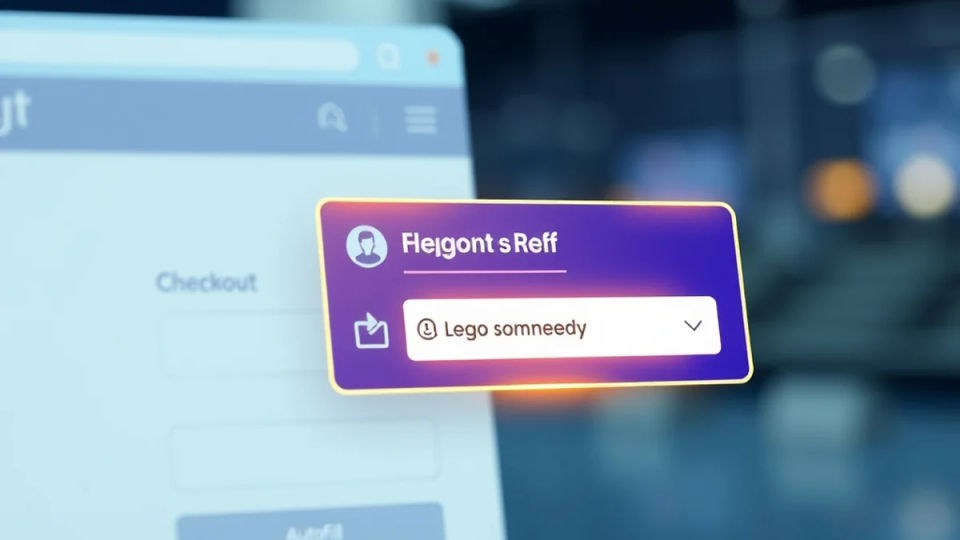
Google has released an update to its Chrome web browser that expands enhanced autofill capabilities by extracting transactional and travel details directly from users' Gmail accounts. Powered by Gemini with Personal Intelligence, the updated feature automatically surfaces relevant form-filling recommendations when users encounter input fields across commercial websites, reducing the need to navigate between browser tabs to locate confirmation emails, digital receipts, or delivery notices.
The expansion builds upon foundational updates introduced last year that enabled Chrome to populate basic identity records, passport details, phone numbers, and physical mailing addresses stored in Google Accounts and Google Wallet. Through integration with Gemini's contextual parsing, Chrome can now detect form requirements and suggest specific records retrieved from personal email correspondence. The system represents an extension of Google's Personal Intelligence framework, which permits users to link Google Apps with the Gemini assistant to resolve complex inquiries.
In December 2025, Google updated Chrome autofill on Android to integrate with Google Wallet and introduce a two-line suggestion design, according to 9to5Google.
Supported Data Types and In-Browser Suggestions
The upgraded autofill system can retrieve a diverse range of transactional records, including e-commerce purchase order numbers, courier tracking codes, airline booking references, hotel lodging reservations, and loyalty membership identifiers. When a user begins interacting with corresponding data fields on an online checkout or registration portal, the browser presents a designated Suggested by Gemini prompt alongside traditional stored profile options.
The contextual integration aims to streamline routine web interactions by eliminating manual copying of alphanumeric confirmation strings. Industry commentators noted that the enhancement parallels convenience features on alternative platforms, such as automated detection of two-factor authentication codes from text messages, encouraging continued user retention within Google's cloud and browsing ecosystem. Technology observers noted that although the modification appears subtle on the surface, simplifying tedious form completion improves day-to-day browser usability and provides consumers with compelling reasons to remain within Google's expanding software ecosystem. As initially previewed during product showcases in May, the browser can now go beyond traditional static contact entries to draw live operational records.
Privacy Controls and Regional Availability
Addressing potential privacy and data security considerations, Google emphasized that sensitive information presented as form suggestions remains encrypted throughout the process. Users retain administrative authority over the feature and can modify data access permissions, discard specific individual suggestions from the interface, or deactivate enhanced autofill entirely within Chrome's privacy settings.
The functionality began rolling out on Wednesday, October 28, 2026, for users located in the United States who have enabled Personal Intelligence within their account profiles. The capability is supported across desktop operating systems as well as mobile applications on Android and iOS devices running Gemini in Chrome.