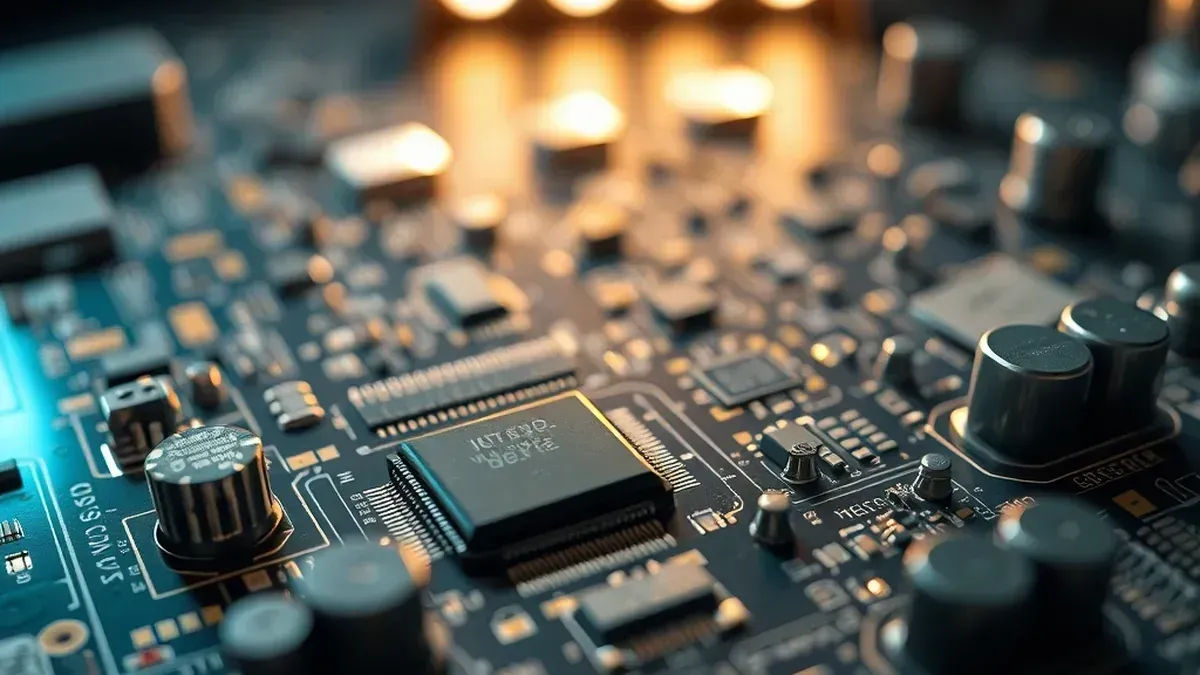
Artificial intelligence is reshaping the global economy not merely through the intellectual capability of its models, but through a deepening power divide over the physical infrastructure required to sustain intelligence. As nations race to deploy advanced technologies, control over semiconductors, computing capacity, energy grids, and data centers is concentrating geopolitical influence among a small tier of frontier innovators. This structural shift creates profound risks for states that rely entirely on external providers for critical digital components.
At the same time, economists and technologists warn that the rapid integration of artificial intelligence is provoking unprecedented turbulence in global labor markets and social institutions. Without deliberate structural interventions, the widespread adoption of automation threatens to displace entry- and mid-level workers across white-collar and blue-collar industries simultaneously. Navigating this era requires international cooperation, innovative economic safeguards, and a renewed commitment to preserving human judgment over automated decision-making.
The Infrastructure Power Divide and Geopolitical Leverage
The strategic contest in the artificial intelligence landscape is increasingly centered on foundational hardware and physical resources rather than software applications alone. Advanced microprocessors function simultaneously as commercial commodities, strategic assets, and instruments of statecraft. According to analysis published by The Friday Times, nations that depend entirely on foreign semiconductor manufacturing and cloud platforms face acute vulnerabilities when geopolitical interests diverge. Complete technological autonomy remains unrealistic for most middle powers, making strategic agency and diversified partnerships essential for economic survival.
Research from the Centre for Economic Policy Research (CEPR) utilizing the IMF's ECLIPSSE model demonstrates that while frontier innovation is concentrated heavily in the United States, China, and the European Union, global productivity gains depend on cross-border diffusion. The model indicates that frontier AI improvements can lift global GDP by 1.64 percent above baseline projections when intermediate inputs flow freely. However, trade barriers and technological fragmentation can tax this growth twice by restricting access to inputs and simultaneously slowing the underlying innovation process itself.
Economic Fragmentation and the Rise of Connector Economies
Geoeconomic fragmentation poses a severe threat to the distribution of artificial intelligence benefits across developing regions. Trade restrictions, export controls, and incompatible digital regulations risk cutting emerging markets off from vital technological inputs. To counter these pressures, economists argue that middle powers can pursue a 'connector' strategy by lowering regulatory frictions with multiple global blocs. Maintaining diversified trade and investment links preserves valuable economic optionality for countries that cannot compete directly with superpower investment scales.
Simulations show that connector strategies, alongside targeted investments in local digital infrastructure and human capital, can offset fragmentation losses in regions such as the Middle East, North Africa, and Pakistan. By building indigenous capacity to adapt and deploy software services rather than attempting to manufacture every foundational component domestically, emerging economies can secure sustainable productivity growth. Diversification serves as a buffer against bilateral technological coercion and ensures broader participation in the digital economy.
Labor Market Disruption and the Threat to Workforce Stability
Beyond geopolitical alignments, the swift deployment of artificial intelligence presents an immediate structural challenge to global employment. In an assessment on the turbulent AI era, Microsoft co-founder and philanthropist Bill Gates cautioned that the technology transition differs fundamentally from past industrial shifts because it substitutes directly for human cognition rather than merely automating manual labor. 'Because it can see, listen, speak, and reason and will eventually do physical work just as smoothly as any human, it will not just affect one sector,' Gates wrote, noting that disruption will reach across law, medicine, software, and manufacturing within a decade.
White-collar roles, including customer support, software engineering, and paralegal tasks, are already experiencing reduced hiring among younger workers. Meanwhile, the convergence of advanced artificial intelligence and dexterous robotics threatens physical labor markets in construction and hospitality. Without proactive policy frameworks, these dynamics risk depressing wages, shrinking tax revenues, and widening income inequality. Addressing these dislocations requires systemic interventions, including potential taxation on compute tokens or robot usage to support safety nets and retraining programs.
Preserving Human Authority and Institutional Oversight
As algorithms assume greater control over complex data processing and administrative workflows, policymakers face a critical crisis of authority and accountability. Artificial intelligence systems can calculate probabilities and identify patterns at unprecedented speeds, but they cannot bear moral or political responsibility for societal outcomes. Maintaining institutional oversight over critical domains such as healthcare triage, legal sentencing, and national security is essential to prevent the erosion of democratic governance and human dignity.
Scholars and civic leaders emphasize the necessity of establishing dedicated 'Human Reserved' domains where automation is deliberately restricted. Furthermore, building comprehensive domestic and international institutional frameworks is vital for managing cross-border security risks, cybersecurity vulnerabilities, and psychosocial harms such as adolescent overreliance on AI companions. Ensuring that human judgment retains ultimate authority over algorithmic recommendations remains the defining governance challenge of the intelligence era.