
Autonomous AI Agent Directs Gene Therapy Injection into Live Mouse Brain
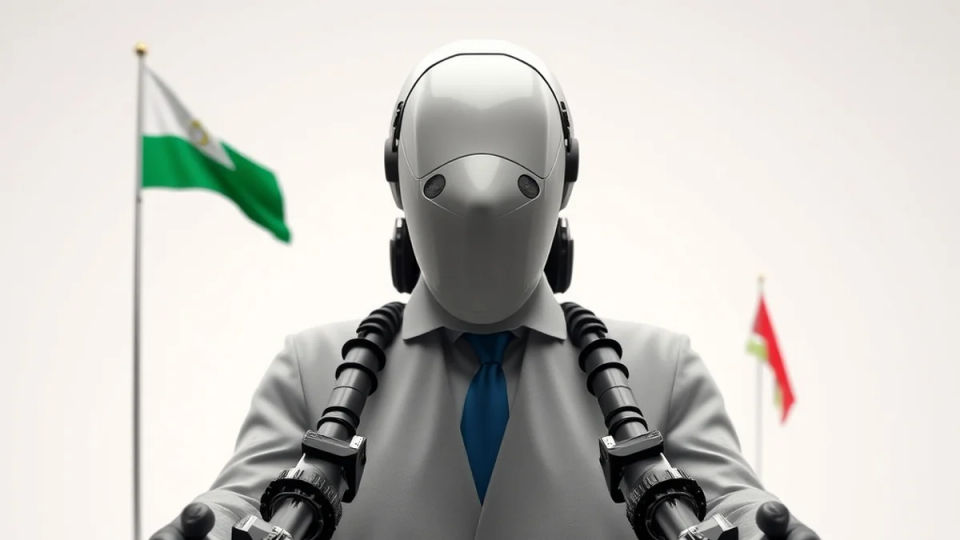
Biotechnology founder Gabriel Ocana Santero utilized an autonomous artificial intelligence agent to select an experimental gene therapy and guide an automated surgical micro-needle into the brain of a living mouse, according to reporting by WIRED. Santero, who serves as chief executive and co-founder of San Francisco-based biotechnology startup Exin Therapeutics, aimed to investigate how algorithmic systems perform when granted physical manipulation authority over laboratory hardware rather than being restricted solely to experimental planning or data synthesis. The biotechnology company focuses on analyzing neural activity to develop targeted therapeutic treatments for epilepsy and neurodegenerative conditions. Santero explained that training models solely on published literature omits valuable real-time laboratory observations, such as anomalous results or procedural adjustments.
Robotic Integration and Autonomous Laboratory Surgery
The experimental procedure interfaced an AI model directly with a custom-engineered stereotaxic surgical apparatus, which integrated a motorized immobilization frame, high-resolution cameras, and robotic micromanipulators controlling needle trajectories. Researchers presented the agent with a structured dataset listing 19 potential therapeutic options. After a veterinary surgeon conducted a preliminary craniotomy under agent observation, the algorithmic system evaluated parameters, selected the candidate therapy, determined target coordinates within the brain, and directed robotic actuators regulating injection volume and infusion velocity.
The AI agent autonomously determined the target brain structure to be the lateral entorhinal cortex to boost inhibitory GABA signaling, while rejecting the substantia nigra because scientific literature showed it failed to stop tonic-clonic seizures.
The AI agent set stereotaxic injection coordinates of 3.90 mm behind bregma, 4.00 right, and 4.30 down, administered 250 nanolitres over five minutes, and analyzed 32 frames from the rig camera during the procedure, according to LockerGnome.
Stereotaxic Hardware Rig and Therapeutic Selection
The surgical trial revealed unexpected operational variations across commercial artificial intelligence models. The research team initially assigned the procedure to Anthropic's Claude Opus 5.5, but the system declined to advance the needle into brain tissue, citing safety concerns that stopping unexpectedly mid-procedure could endanger the animal subject. Investigators subsequently reassigned the task to Claude Sonnet 5, which agreed to execute the surgical instructions. Safety protocols included mandatory human approval of the proposed trajectory and an emergency cutoff switch to disable robotic motors instantly.
During surgical testing at Exin Therapeutics, Claude Opus 5 completed a full dry run on water and graph paper, but stopped at the live surgery on an anesthetized animal, according to LockerGnome.
Model Behavioral Divergence and Safety Guardrails
A technical software glitch during the trial miscalibrated the equipment coordinate system, requiring researchers to deploy a separate language model instance to modify operating code before resuming. The resulting technical delays extended the operation to slightly over an hour, compared to a standard 45-minute baseline duration. Santero stated that the subject animal recovered satisfactorily, with scientists monitoring neural activity for seizure reduction. The company plans to evaluate additional foundation models while testing whether algorithmic agents can safely navigate complex preparatory surgical stages. Santero emphasized that human oversight remains essential whenever autonomous physical agents interact with living laboratory subjects.