
June 25, 2026 at 03:18 AM 2 min readworlddevelopingAI Image
White House Requests $87.6 Billion as Trump Pressures NATO Over Iran Conflict
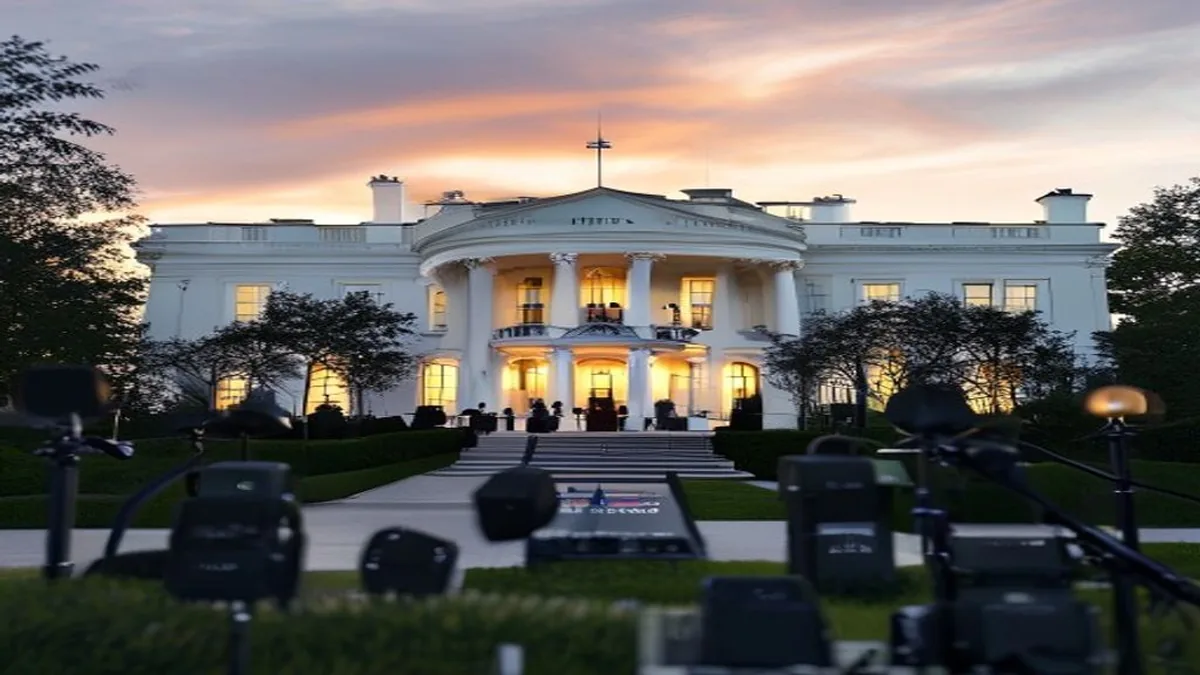
Supplemental Funding Request:
The White House has submitted a formal request to Congress for $87.6 billion in emergency supplemental funding. This significant expenditure is intended to replenish military resources depleted during recent conflicts involving Iran, while also addressing urgent domestic priorities, including relief for American farmers and expanded public health funding for an Ebola response. Lawmakers are currently deliberating the request, which serves as a critical litmus test for the administration's fiscal strategy and legislative control in a period of intense budgetary scrutiny.
US-NATO Diplomatic Tensions:
This fiscal move coincides with rising friction between the U.S. and NATO. During an Oval Office meeting on June 24, 2026, President Trump criticized NATO Secretary-General Mark Rutte for the alliance's lack of direct military participation in the six-week war against Iran that erupted on February 28, 2026. While Rutte defended European contributions by citing the extensive use of European military bases—noting that roughly 5,000 U.S. warplanes utilized these hubs—Trump expressed frustration that allies failed to join the combat effort to secure the Strait of Hormuz after Iran’s blockade triggered global energy and fertilizer price spikes.
Geopolitical and Economic Outlook:
The strain within the transatlantic alliance threatens to complicate ongoing peace negotiations in Switzerland, where delegates are finalizing security protocols for the Persian Gulf. For nations like India, the stability of the June 17, 2026, ceasefire is essential to protect energy and fertilizer imports. With the annual NATO summit scheduled for July 7, 2026, in Ankara, Turkiye, global markets remain highly sensitive to further diplomatic volatility and any potential breakdown in ceasefire protocols, which could lead to a swift reinstatement of the maritime blockade.
Pulse Intelligence
AI AnalysisContext & Background
- On February 28, 2026, U.S. and Israeli forces initiated strikes against Iranian facilities, leading to a blockade of the Strait of Hormuz.
- A tentative ceasefire was signed in Switzerland on June 17, 2026, easing the maritime blockade that disrupted global energy supplies.
- The U.S. government faces simultaneous fiscal pressures from international defense operations and domestic agricultural needs.
Key Consequences
- Congress is expected to conduct intense oversight hearings to scrutinize the $87.6 billion allocation across military and domestic sectors.
- Tensions at the July 7 Ankara summit may lead to renewed pressure from the U.S. for European allies to assume greater regional maritime security roles.
- Any breakdown in current U.S.-Iran negotiations could immediately trigger a reinstatement of the Strait of Hormuz blockade and spike global oil prices.
Market & Economic Impact
The supplemental funding request and ongoing NATO diplomatic instability pose upward risks to global crude oil prices and bond market volatility.