
July 8, 2026 at 07:09 AM 2 min readaianalysis
Weak Demand Stalls OMCs' E85 Fuel Expansion in India
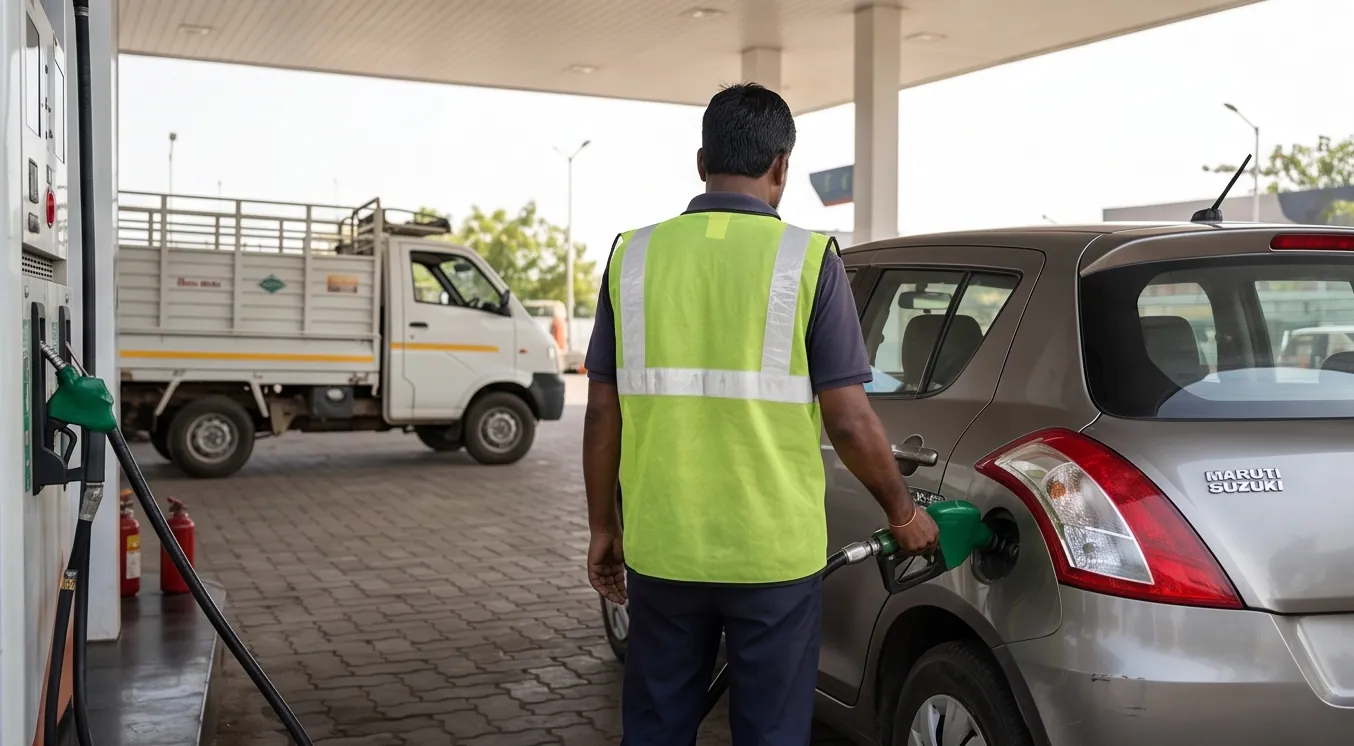
Demand Gap for E85:
Indian oil marketing companies (OMCs) are scaling back plans to expand E85 fuel stations due to critically low consumer demand. Pilot projects involving nearly 400 E100-based outlets have reportedly struggled with almost zero fuel offtake, signaling a significant hurdle in the adoption of high-blend ethanol fuels. The lack of infrastructure expansion is directly linked to these dismal utilization rates at existing test locations.
Barriers to Adoption:
The broader shift toward high-ethanol fuel faces structural challenges, including concerns regarding engine compatibility in older vehicles. Consumers remain hesitant due to a minimal price difference compared to conventional fuel and lower energy content, which impacts overall fuel efficiency. Without a substantial increase in the market penetration of dedicated flex-fuel vehicles, the economic viability of the current infrastructure model remains difficult for OMCs to justify.
Future Outlook for Ethanol:
The success of India’s ethanol blending program depends on balancing supply-side infrastructure with actual vehicle adoption rates. Industry analysts suggest that until automakers increase the availability and affordability of flex-fuel capable models, demand for high-blend alternatives will likely remain stagnant. OMCs must now evaluate their capital expenditure strategies against these market realities to ensure the long-term sustainability of the government's ethanol blending objectives.
Pulse Intelligence
AI AnalysisContext & Background
- India has actively promoted ethanol-blended petrol to reduce oil import dependency and lower carbon emissions.
- The government previously set ambitious targets for 20% ethanol blending in petrol by 2025.
Key Consequences
- OMCs may pause or reduce investment in new E85 fuel station projects pending better market signals.
- Growth in the flex-fuel vehicle segment is essential to drive the consumption required to sustain E85 infrastructure.
Market & Economic Impact
The sluggish demand impacts the growth outlook for oil marketing companies and may force a recalibration of government fuel-blending targets.