
June 26, 2026 at 11:34 AM 2 min readworldanalysis
Vance And Rubio Diverge On Iran Policy As Trump Team Policy Rifts Emerge
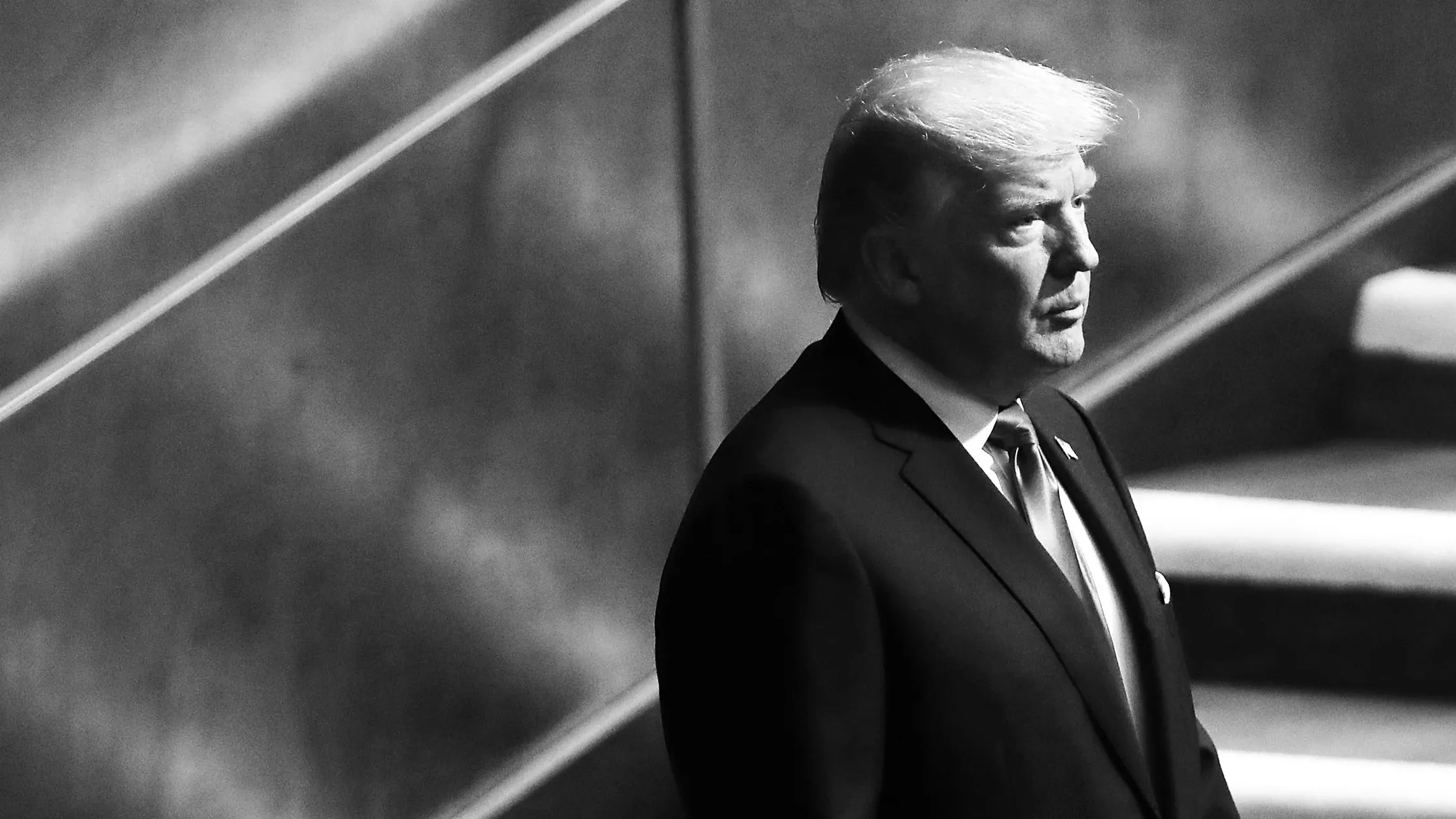
Policy Disagreements:
Reports from within the incoming US administration suggest internal friction between Vice President-elect J.D. Vance and Senator Marco Rubio regarding the approach toward Israel’s campaign in Lebanon and the recent memorandum of understanding signed with Iran. While the administration maintains a unified public stance, analysts point to differing tones between the two figures, fueling speculation about potential rifts in foreign policy priorities. The debate highlights broader challenges in reconciling traditional hawkish stances with new regional initiatives.
Context of Diplomatic Strategy:
The tension is rooted in the complexities of the recent US-Iran diplomatic efforts, which aimed to stabilize the Strait of Hormuz after four months of conflict. While proponents view the memorandum as a necessary step for economic stability, others within the administration remain skeptical of the long-term efficacy of diplomatic engagement with Tehran. This internal debate mirrors wider disagreements over the United States' role in regional conflicts and the degree of support required for Israeli military objectives in Lebanon.
Significance for Global Alliances:
The discord between key administration figures carries substantial weight for international partners, including India, which closely monitors US-Middle East policy for its potential impact on oil prices and regional stability. A divided US stance on the Iran MOU could lead to uncertainty in the implementation of regional security guarantees. India’s diplomatic position relies on stable partnerships in the Middle East, and any inconsistency in US policy may necessitate a recalibration of New Delhi's strategy to navigate shifting alliances in the region.
Pulse Intelligence
AI AnalysisContext & Background
- The United States and Iran recently signed a memorandum of understanding (MOU) to end a four-month conflict that disrupted global oil shipping.
- Senator Marco Rubio has been a long-standing advocate for a robust stance against Iranian influence in the region.
- The administration is balancing domestic political pressures with the need to prevent further escalation in the Lebanon-Israel theater.
Key Consequences
- Internal disagreements could lead to a less predictable US foreign policy regarding Iranian sanctions and regional security.
- International stakeholders may adopt a cautious approach to diplomatic engagement with the incoming US administration until a clear policy emerges.
- Israel may leverage internal US friction to press for more specific commitments regarding its campaign in Lebanon.
Market & Economic Impact
Potential policy volatility could influence energy market expectations and regional geopolitical risk premiums for Indian companies operating in the Middle East.