
July 3, 2026 at 05:03 AM 2 min readworldbreaking
US Warns Iran Against Closing Critical Strait of Hormuz
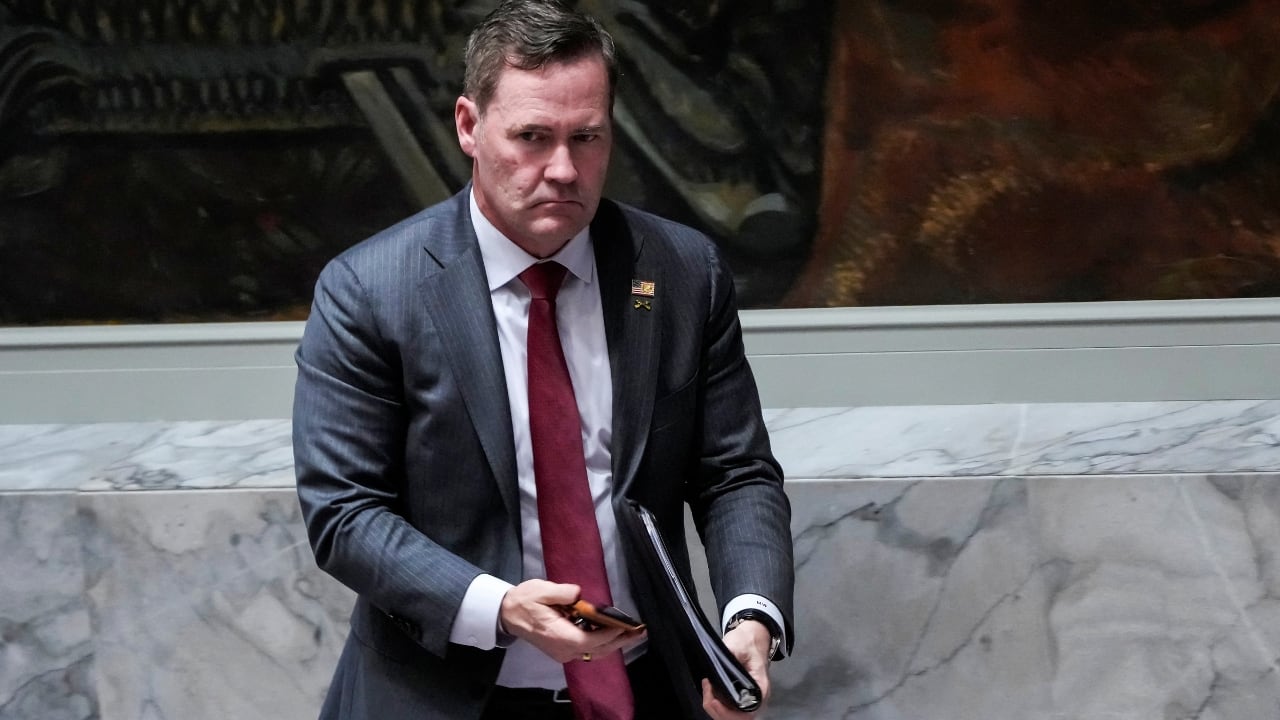
Strait of Hormuz Security:
The United States Ambassador to the United Nations has issued a stern warning to Iran, cautioning against any attempts to disrupt shipping through the Strait of Hormuz. The administration characterized potential efforts to block this vital maritime chokepoint as global blackmail rather than an act of self-defence. Tensions have escalated following recent accusations that Tehran is actively interfering with commercial transit in the region, prompting an emergency United Nations Security Council session to discuss the mounting threats to global energy supplies and maritime trade security.
Escalating Regional Tensions:
The rhetoric follows a series of reports regarding Iranian naval posture and purported disruptions to international shipping lanes. U.S. officials have indicated that the current administration's patience with Iran is reaching its limit, citing multiple provocations in the Middle East. Analysts suggest these warnings are part of a broader strategy to deter military posturing, as the U.S. seeks to prevent any unilateral actions that could trigger a wider regional conflict or jeopardize the flow of petroleum through the Persian Gulf.
Global Economic Implications:
A closure or significant disruption of the Strait of Hormuz would have immediate and severe consequences for India, which relies heavily on the region for its crude oil imports. High energy costs remain a primary concern for the Indian economy, and any instability in the Gulf directly threatens the nation’s fuel security and inflationary outlook. The Indian government is likely watching these developments closely, coordinating with international partners to ensure the protection of its merchant fleet and the stability of critical supply chains connecting the Indian Ocean to the Middle East.
Pulse Intelligence
AI AnalysisContext & Background
- The Strait of Hormuz is the world's most important oil chokepoint, with roughly one-fifth of global oil consumption passing through the narrow waterway daily.
- Regional security in the Persian Gulf has remained fragile due to historical frictions between Western powers and Iran regarding nuclear policies and maritime freedom of navigation.
Key Consequences
- Rising global oil prices are likely to persist as market uncertainty over safe passage in the Gulf increases.
- Increased Indian naval presence may be required in the western Indian Ocean to escort critical merchant vessels and protect national maritime interests.
Market & Economic Impact
Disruptions in the Strait of Hormuz typically drive immediate volatility in global oil benchmarks, pressuring the Indian Rupee and energy-intensive manufacturing sectors.