
June 26, 2026 at 02:06 PM 2 min readworlddeveloping
US Supreme Court Upholds Trump Plan to Terminate Migrant Protections
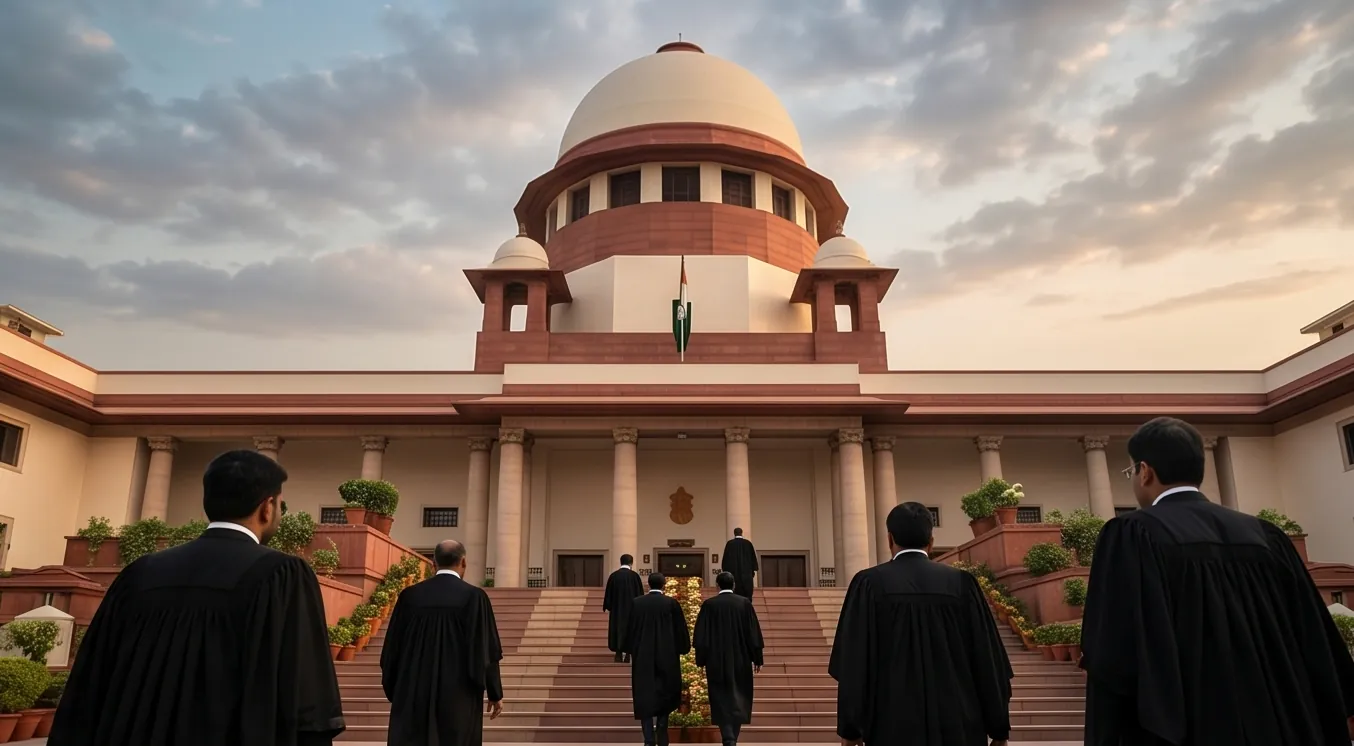
Supreme Court TPS Ruling:
The U.S. Supreme Court has issued a 6-3 decision allowing the Trump administration to revoke Temporary Protected Status (TPS) for approximately 350,000 Haitian and 6,100 Syrian migrants. The ruling effectively overturns prior federal injunctions that had prevented the administration from ending these protections, which allowed beneficiaries to live and work in the U.S. due to humanitarian crises in their home countries. In a concurrent 6-3 ruling, the court also upheld the administration's policy that asylum seekers must be physically present on U.S. soil to claim protections, a move seen as a major victory for current border enforcement policies.
Legal and Humanitarian Basis:
The administration argued that TPS designations had become de facto permanent residencies, undermining the temporary nature of the program. Justice Samuel Alito, writing for the majority, asserted that federal law prevents courts from reviewing these executive designations. Dissenting, Justice Elena Kagan argued that the decision was influenced by racial bias, noting that the removal of protections disproportionately affected specific migrant groups. The court also revived the 2016 metering policy, requiring asylum seekers to wait for processing until capacity exists, which had been previously rescinded in 2021.
Broad Implications for Migrants:
Advocacy groups, including the Public Rights Project, warn that the ruling creates a humanitarian crisis, placing hundreds of thousands at risk of imminent deportation. Experts suggest this decision sets a significant legal precedent for the future of TPS, potentially allowing the government to aggressively terminate protections for other nationalities. The ruling effectively grants the administration full authority to dictate the scope of asylum and protected status programs, significantly hardening U.S. immigration policy landscape for foreign nationals.
Pulse Intelligence
AI AnalysisContext & Background
- The U.S. government first granted TPS to Haitians following a devastating 2010 earthquake and to Syrians in 2012 due to the outbreak of civil war.
- A 'metering' policy was first introduced by the Obama administration in 2016 to manage high volumes of asylum seekers at the border, a policy later rescinded in 2021.
Key Consequences
- Hundreds of thousands of current TPS beneficiaries from Haiti and Syria face potential loss of work authorization and deportation proceedings.
- The administration gains significant leverage to re-evaluate and likely terminate TPS protections for other foreign national groups.
- Asylum processing at the U.S.-Mexico border is expected to slow significantly as the government enforces the physical presence requirement for claims.
Market & Economic Impact
No direct market impact.