
June 6, 2026 at 08:27 AM 2 min readworlddeveloping
US Imposes Sanctions on Cuban President Diaz-Canel Amid Economic Crisis
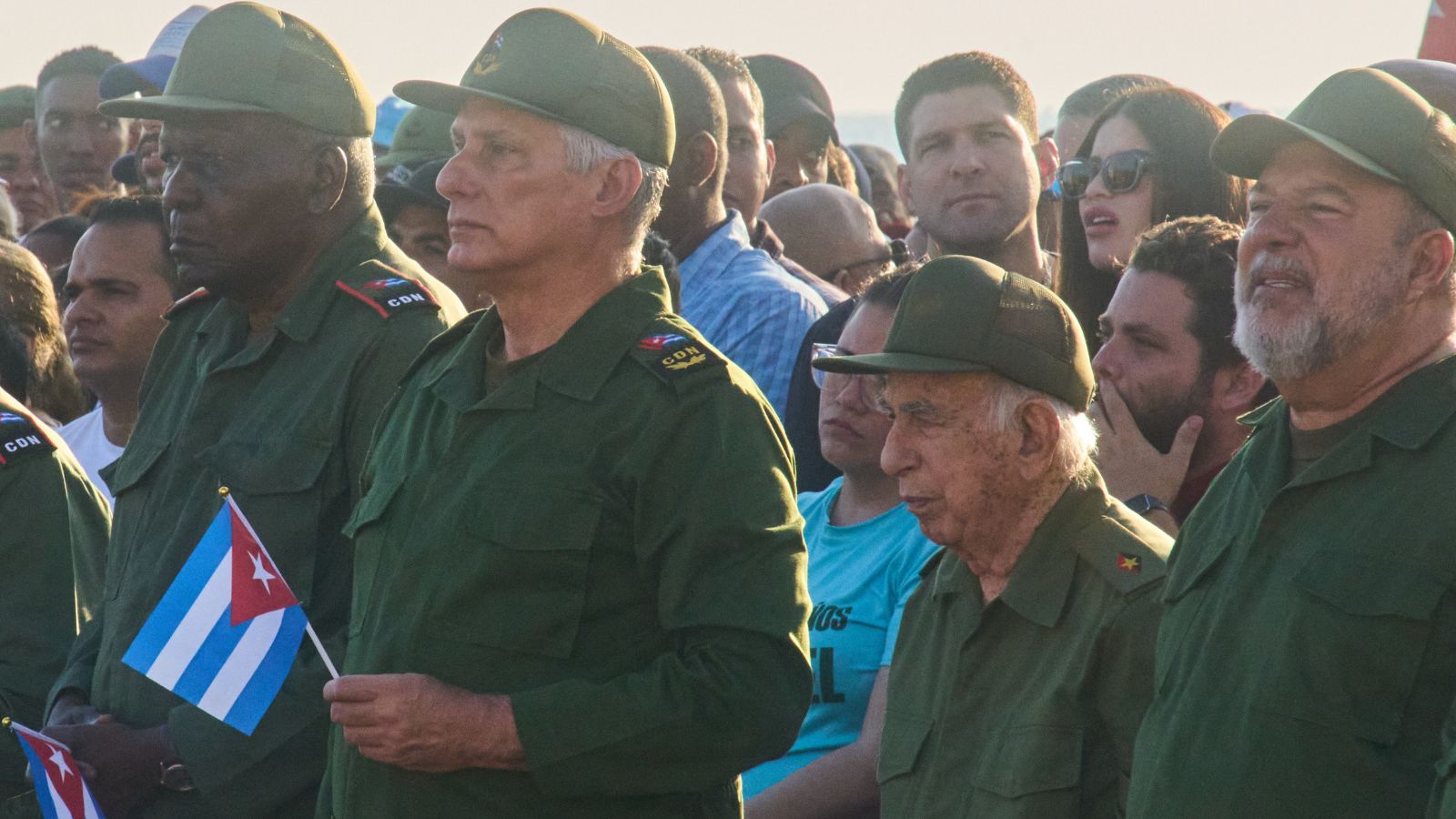
Washington Targets Cuban Leadership:
The United States government has officially imposed new sanctions on Cuban President Miguel Díaz-Canel and other high-ranking officials, including family members of former leader Raul Castro. The U.S. Treasury Department announced the measures as part of a renewed pressure campaign against the Havana regime. President Donald Trump told reporters that the move is intended to push for a "nicely run country," signaling a harder line against the communist government. These targeted sanctions freeze any U.S.-based assets held by the individuals and prohibit American citizens and entities from engaging in financial transactions with them.
Humanitarian and Economic Strains:
These diplomatic measures arrive as Cuba grapples with its most severe economic crisis in decades. The island is currently experiencing widespread shortages of food and tap water, alongside catastrophic power outages that have left some regions without electricity for up to 22 hours a day. While a U.S. trade embargo has been in place since 1962, the recent escalation of sanctions is expected to further isolate the Cuban economy and complicate its efforts to secure international credit. In a notable development, 95-year-old Raul Castro made a rare public appearance at an Interior Ministry event in Havana, his first since being indicted in the U.S. on historical murder charges.
Regional Stability and Diplomatic Friction:
For India, the instability in Cuba and the tightening of U.S. sanctions are significant due to New Delhi's long-standing diplomatic ties with Havana and its historical support for the removal of the trade embargo. India has frequently provided humanitarian aid, including shipments of rice and medicine, to the island nation. The U.S. move is seen by regional analysts as part of a broader strategy to encourage "Venezuela-style regime change" in the Caribbean. However, the Cuban government has remained defiant, accusing Washington of using economic warfare to destabilize the country during a period of acute humanitarian vulnerability.
Pulse Intelligence
AI AnalysisContext & Background
- Cuba has been under a comprehensive U.S. commercial, economic, and financial embargo since the Kennedy administration.
- President Miguel Díaz-Canel succeeded Raul Castro as President in 2018 and as First Secretary of the Communist Party in 2021.
- In May 2026, a U.S. court indicted Raul Castro for his alleged role in the 1996 shootdown of two civilian planes operated by an exile group.
Key Consequences
- The Cuban government may seek closer economic and energy ties with Russia and China to offset the impact of U.S. sanctions.
- Internal social unrest could increase as the combination of sanctions and infrastructure failure worsens food and water shortages.
- International human rights groups may increase pressure on the U.S. to provide humanitarian carve-outs for essential goods like medicine.
Market & Economic Impact
No direct market impact, although the sanctions further limit the potential for American companies to eventually enter the Cuban market.