
June 29, 2026 at 06:33 PM 2 min readworldbreakingAI Image
U.S.-Iran High-Stakes Talks Scheduled in Doha for June 30
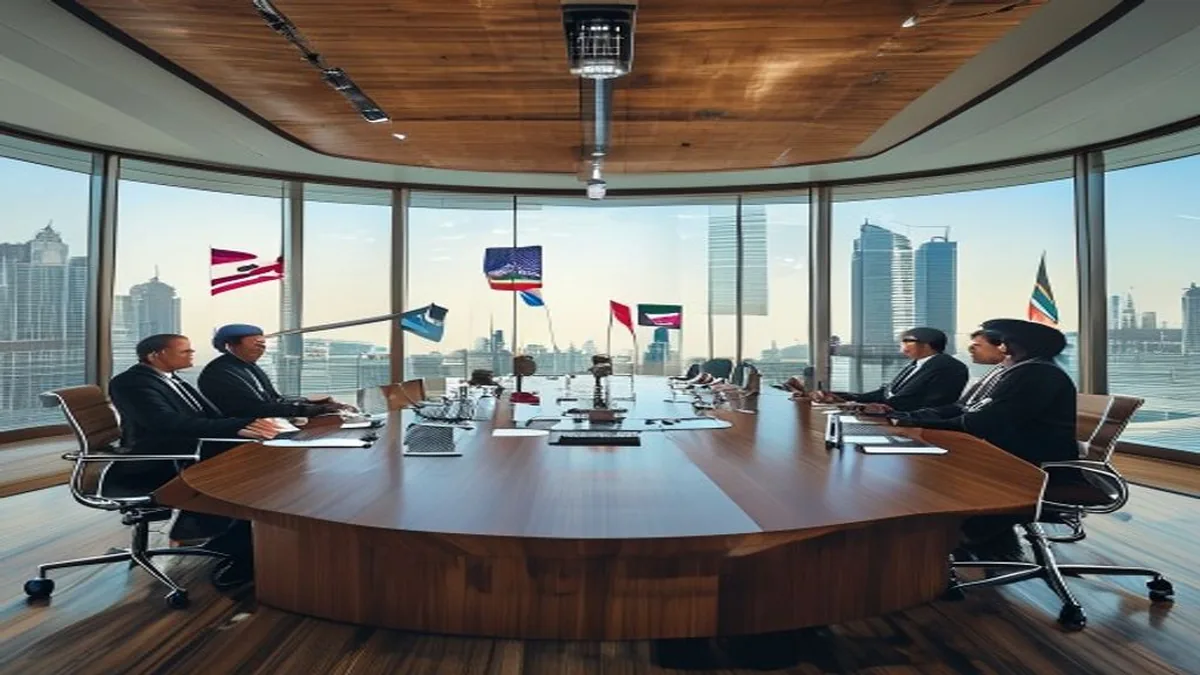
Diplomatic Breakthrough Attempt:
The United States and Iran have reportedly agreed to initiate high-level talks in Doha on June 30, marking a potential de-escalation in West Asian regional tensions. The summit follows intensive diplomatic efforts to secure a halt to ongoing cross-border hostilities. U.S. envoys, including Jared Kushner and Howard Witkoff, are expected to travel to the Qatari capital to facilitate these crucial negotiations. The proposed meeting aims to establish formal communication channels between Washington and Tehran, raising hopes for a sustained cessation of hostilities across the region.
Escalating Regional Volatility:
The move comes after weeks of intense military exchanges that have threatened to destabilize the Middle East. Increased strikes in southern Lebanon and ongoing tensions involving various regional proxies have kept global markets and diplomatic observers on high alert. Previous attempts at direct or indirect dialogue have often stalled, but current geopolitical pressures and the rising cost of prolonged conflict have forced both sides to reconsider formal engagement. Observers note that while official expectations remain cautious, the scheduling of this specific face-to-face meeting is a significant departure from the previous pattern of public rhetoric and military maneuvering.
Significance for Global Stability:
Any reduction in West Asian conflict has immediate positive implications for global energy security and India’s strategic interests in the region. A breakthrough in Doha could potentially stabilize oil prices and allow for the safer transit of cargo through critical maritime routes. For India, which maintains robust diplomatic and economic ties with both Iran and the U.S., a peaceful resolution is essential to protect its large diaspora and energy imports. New Delhi will monitor these developments closely, looking for signs of a concrete, long-term commitment from both Tehran and Washington to refrain from further military escalations.
Pulse Intelligence
AI AnalysisContext & Background
- Regional tensions have surged in 2026, driven by an uptick in proxy conflicts and direct military strikes across the Middle East.
- The United States and Iran have lacked consistent communication channels, frequently relying on backchannel diplomacy managed by regional partners like Qatar.
Key Consequences
- A successful outcome in Doha could trigger a significant de-escalation in military activities across southern Lebanon and beyond.
- Failure to reach a consensus may lead to renewed military posturing and increased volatility in global energy markets.
Market & Economic Impact
Stabilization in the Middle East is expected to reduce volatility in crude oil prices, providing relief to India's energy-import-dependent economy.