
July 8, 2026 at 10:59 PM 2 min readworldbreaking
US-Iran Conflict Escalates After Strait Of Hormuz Ship Attacks
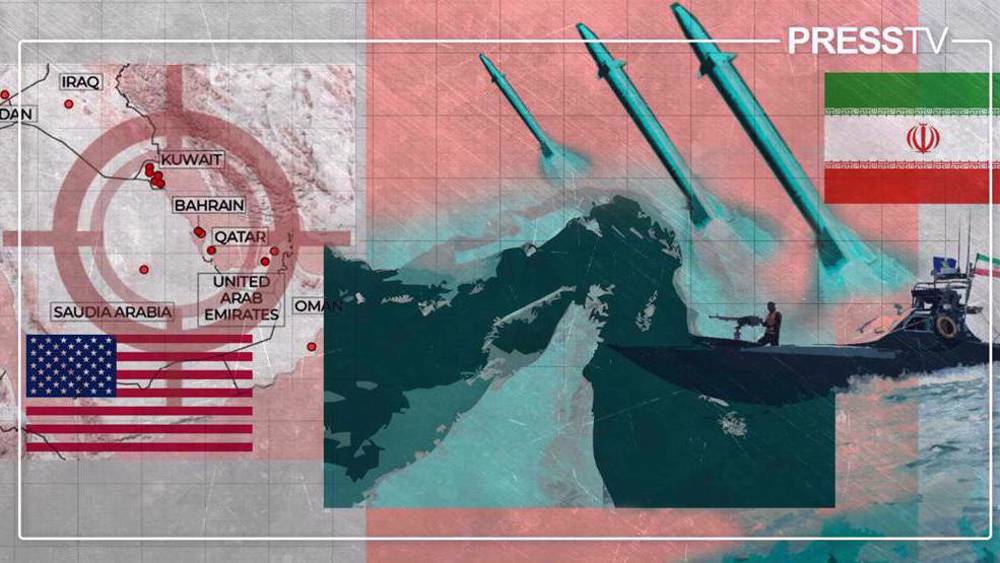
Renewed Hostilities in Strait of Hormuz:
Regional tensions reached a boiling point on July 7, 2026, as United States Central Command (CENTCOM) launched precision strikes against over 80 Iranian targets. This offensive followed Iranian attacks on three commercial vessels, specifically the M/T Al Rekayyat, M/T Wedyan, and M/T Cyprus Prosperity, which occurred in the Strait of Hormuz. The U.S. response targeted critical infrastructure, including coastal radar, anti-ship missile sites, and numerous Islamic Revolutionary Guard Corps (IRGC) small boats to secure vital maritime shipping lanes.
Ceasefire Collapse and Infrastructure Threats:
The conflict intensified as U.S. President Donald Trump declared the existing ceasefire officially over while attending the NATO summit in Ankara, Turkey. The administration warned of potential strikes against civilian infrastructure, such as electric and desalination plants, and floated the possibility of seizing Kharg Island to impact Iran's oil exports. In immediate retaliation, Iranian state media reported that the IRGC struck 85 U.S. military facilities across Bahrain and Kuwait, further destabilizing the fragile regional security architecture.
Global Economic and Energy Implications:
The direct military engagement triggered a significant shock to global oil markets, with Brent North Sea crude surging over 8% to surpass $80 per barrel. For India, which relies heavily on energy imports, this rapid volatility poses a substantial risk to domestic inflation and import bills. The revocation of oil sanctions waivers by the U.S. further complicates global energy flows. Analysts are now closely monitoring whether the conflict will force a permanent alteration in trade routes or lead to sustained supply chain disruptions in the Persian Gulf.
Pulse Intelligence
AI AnalysisContext & Background
- Hostilities in the Strait of Hormuz have fluctuated throughout 2026, often impacting global oil prices and regional security stability.
- Previous attempts at a ceasefire between Washington and Tehran had struggled to maintain long-term compliance prior to the July 2026 breakdown.
Key Consequences
- Global crude oil prices are likely to remain elevated as investors fear prolonged conflict in the critical Persian Gulf transit zone.
- India faces potential domestic fuel price volatility and increased inflationary pressure due to higher global energy costs.
- Shipping insurance premiums are expected to spike, raising operational costs for vessels traversing the Strait of Hormuz.
Market & Economic Impact
Global oil prices surged over 8%, with potential inflationary pressure on the Indian rupee and energy-dependent sectors.